Great Salt Plains State Park: Your Complete Guide
Here is What We Found Out During Our Last Visit!
Oklahoma is full of beautiful state parks, but one of our favorites is Great Salt Plains State Park. If you’re not familiar with it, we’ve put together a complete guide to help you make the most of your visit. This park offers something for everyone, from miles of beautiful hiking trails to opportunities for fishing, bird watching, and more. Whether you’re looking for things to do, places to eat, or just some general information, we’ve got you covered! So pack up the family and head on over to Great Salt Plains State Park for an adventure you’ll never forget! Welcome to Alfalfa Country.
What is the Great Salt Plains?
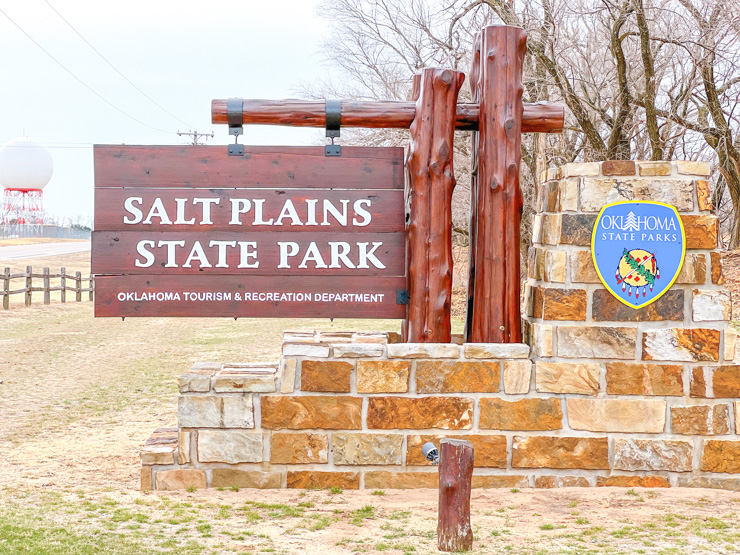
The Salt Plains covers 12,000 acres in north-central Oklahoma, making them the largest in the Central Lowlands. The Osage used the Great Salt Plains for salt harvesting, trade, and meat preservation, even bleaching deer skins with salt. The area also served as a prime hunting ground for bison, deer, and elk, attracting other tribes like the Kiowa and Wichita. The Salt Fork of the Arkansas River was called “Nescatunga” (big salt water) by the Osage. In 1811, Osage guide Sans Orielle led George Sibley’s expedition to the Salt Plains. After Native relocation, the Treaty of New Echota (1835) placed the area in the Cherokee Outlet, allowing public salt access under U.S. law. Today, the flats make around one-third of the Salt Plains National Wildlife Refuge, established in 1930 as a critical habitat for migratory waterfowl and endangered species like the Whooping Crane. Over 100,000 people visit annually.
Is the Great Salt Plains Free?
There’s no admission fee to enter Great Salt Plains State Park, but there is a parking fee. If you plan to park and enjoy the area, you’ll need to purchase a parking pass. You can pay ahead of time or simply use your smartphone once you arrive. The park has plenty of signs that walk you through the process, so it’s quick and easy. Here is a link for more parking info. JOIN OUR OKLAHOMA FACEBOOK GROUP!
A parking pass is included in your completed reservation for an RV or tent campsite.
Here are the parking fees.
- 1 day- passenger vehicle $10
- 2 days- passenger vehicle $20
- 3 days- passenger vehicle $25
- 7 days- passenger vehicle $35
- 14 days- passenger vehicle $70
Bus Pass:
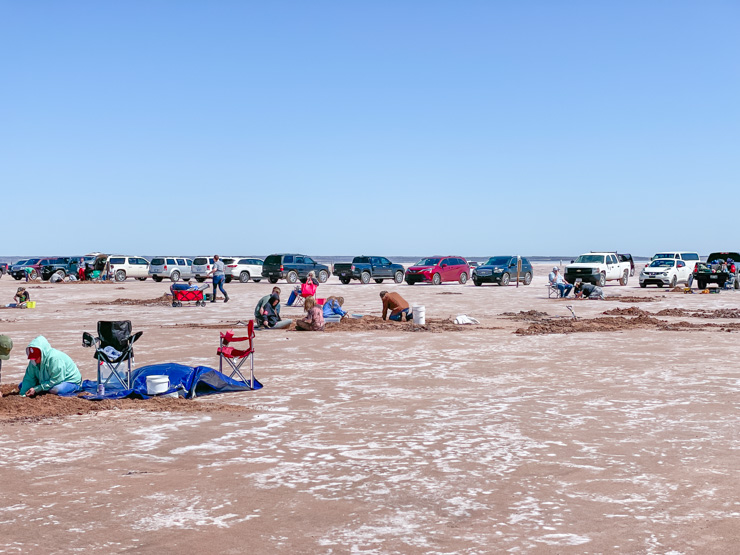
Please note you do not have to pay to park at the crystal digging areas!
Best time to Visit the Great Salt Plains
Great Salt Plains State Park is open year-round for hiking, biking, fishing, camping, and horse trail riding. If you want to dig for crystals, then you need to plan your visit between April 1st and Oct 15th. You can also go canoeing, rafting, and kayaking year-round at the park-weather permitting, of course.
What Kind of Crystals are at the Great Salt Plains State Park & Wildlife Refuge
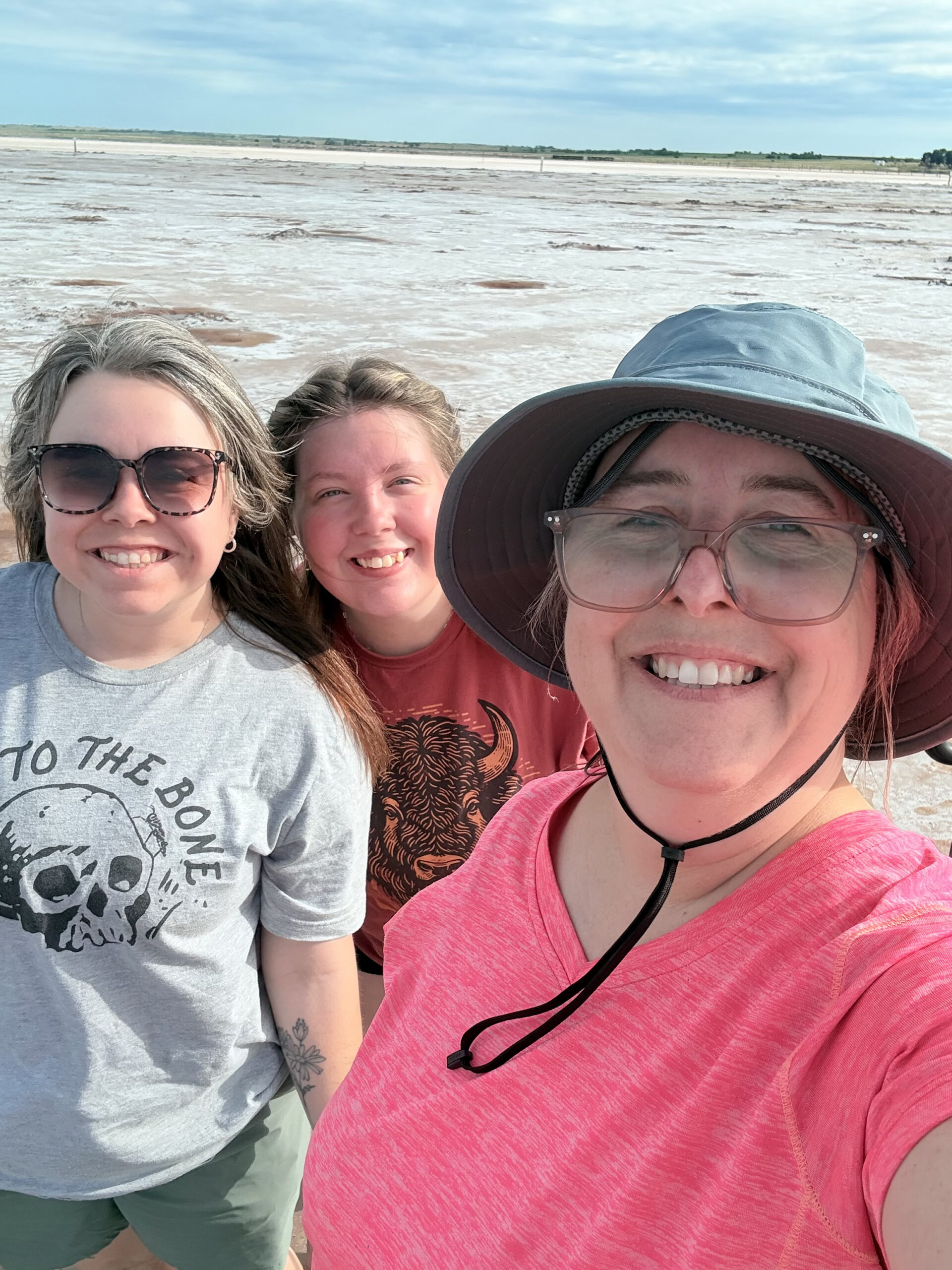
The stunning landscape of Oklahoma Salt Plains State Park is a dry, flat area that was once covered by an ocean. The Great Salt Lake in this state park has half as much salt content compared to the ocean. The selenite crystals found here in the actual refuge are unique to Oklahoma. The hourglass-shaped selenite crystal can only be found here. You can dig for crystals in the Great Salt Plains Wildlife Refuge located near the state park.
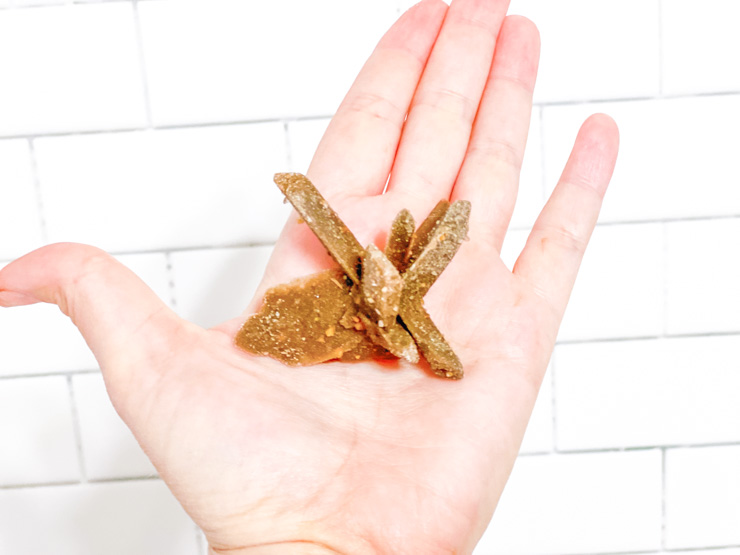
We ended up finding everything from single crystals to small clusters—and even a few big ones when luck was on our side. We had such an amazing time digging that we honestly didn’t want to leave, but eventually we had to head home to feed our dogs.
The photo above shows all the crystals we found. If we’d had more time, we could’ve uncovered a ton more because we stumbled onto what my husband proudly called “the honey hole.” Every scoop of dirt revealed another crystal.
As we were packing up, we noticed a family with kids who had arrived late. We waved them over and told them they absolutely needed to take our spot. It felt good passing the magic on.
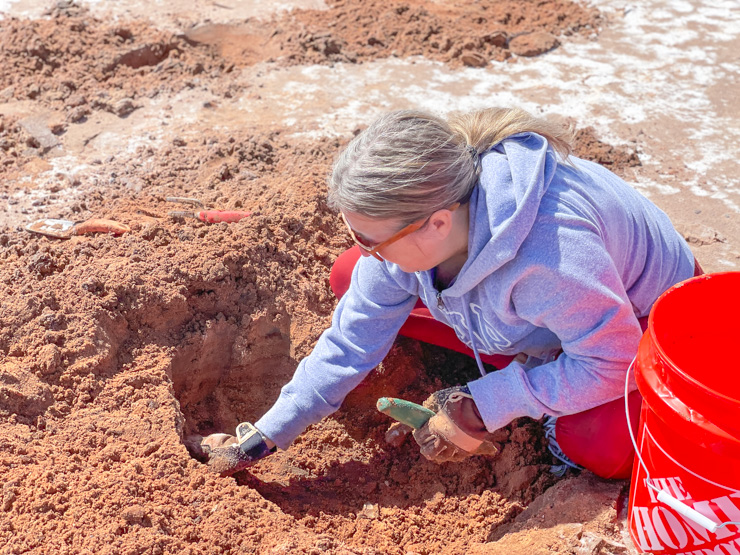
Pro Tip: After using your shovel to break the surface—stop! Switch to a small hand shovel and carefully dig just under the surface, pulling up gently. Wear gloves and feel around for larger crystals sticking up. Dig around them carefully to avoid breaking clusters. If you hear a crunch, you’ve found crystals!
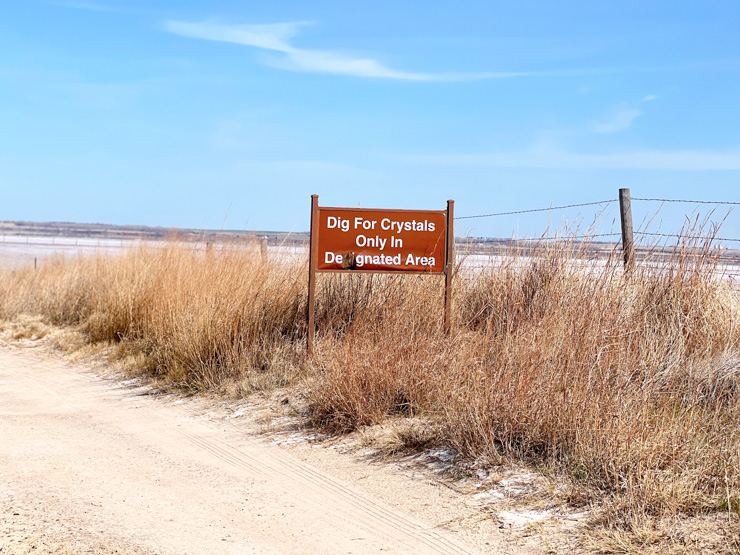
Where Can You Dig for Crystals In Oklahoma?
The Crystal Dig area is southwest of the lake in the Salt Plains National Wildlife Refuge. Access roads to the dig area are available six miles west of Jet or three miles south of Cherokee. The crystal digging area is open from April 1 to October 15 from sunrise to sunset. Please note that the roads leading to the crystal digging area are pretty much gravel and dirt. So keep that in mind with your vehicle. Especially in rainy weather.
While you are digging for your crystals, you should keep your eyes open for the over 300 species of protected birds that live in the refuge. Here are some maps of the area to help you navigate. Make sure you are only digging in the designated areas, there are park rangers that drive through and check. The address to the digging site is also: 66003 Garvin Road, Cherokee, OK 73728.
From Jet: Drive 7 miles west on US 64, then go 3 miles north and 2 miles east.
From Cherokee: Drive 2 miles south and 5 miles east.
A Quick Overview of Some Rules
The refuge prohibits drones and requires all pets to stay on a leash. Visitors must remain within the designated Dig Area, marked by bright orange signs, and cannot dig, walk, or drive outside this area. Those conducting research or commercial photography and filming must obtain a special use permit—contact the refuge for details. The refuge forbids selling collected crystals. Each person may gather up to 10 pounds of crystals and one large cluster per day.
There is a restroom available inside the gate. After leaving the dig area, remember to also rinse the salt off your car. Salt can corrode and damage your vehicle over time. It accelerates rust formation, especially on metal parts like the undercarriage, brake lines, and wheel wells. If left unwashed, salt buildup can weaken structural components and lead to costly repairs. To prevent damage, rinse your vehicle thoroughly—especially the underside—after exposure to road salt or salt flats.
What Should I bring to the Great Salt Plains State Park?
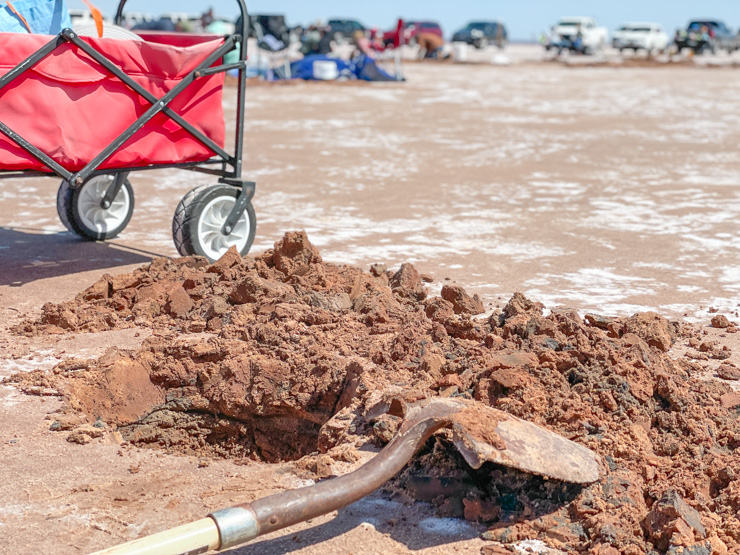
If you plan on digging for crystals, you should bring some protection from the sun. Sunscreen, hat, and appropriate clothing are all necessities. The sun reflects off the white surface so sunglasses would be a good idea as well. You should also bring a shovel as you will want to dig a hole that is a couple of feet deep to look for the crystals. Of course, make sure you have enough drinking water and you can even bring water to wash your crystals off with. A change of clothes is also a good idea. You might be a little dirty after all that crystal hunting!
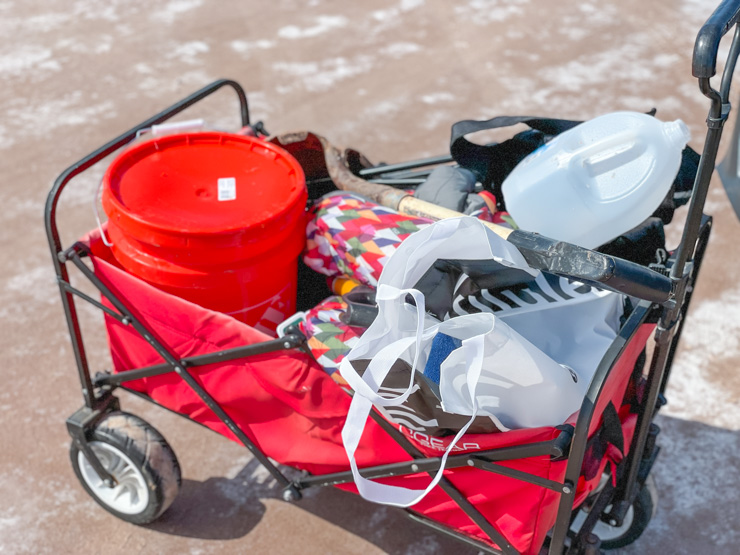
A few things you should bring
- Bucket- to put your crystals into and wash them. We got ours from Home Depot.
- Blankets and chairs- If you want to sit on something other than the ground. We actually brought a lunch and ate on our blanket.
- Water- for you to drink and some to wash your crystals.
- Shovel- a spade-type shovel and small garden tools work great
- A wagon– helps you get all your supplies to your dig spot
- Protection from the sun- hat, sunscreen, etc…
- Change of clothes- you will get dirty!
- I also brought wipes and hand sanitizer.
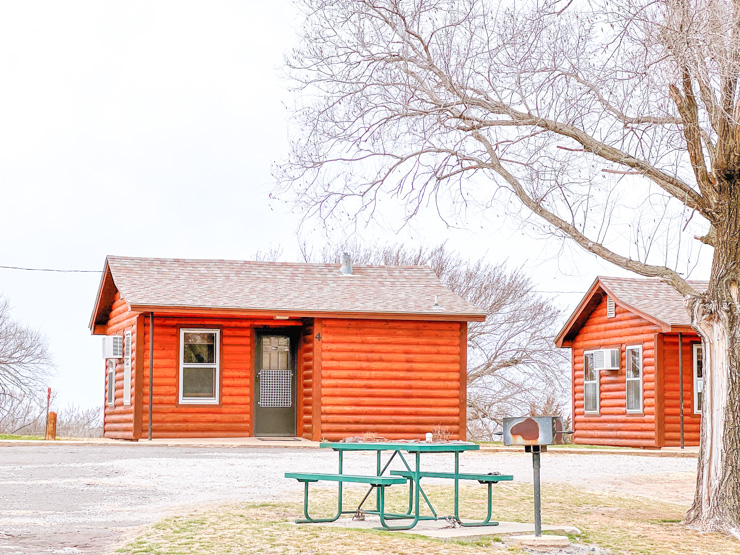
Camping at Great Salt Plains State Park
This state park near the dam has cabins, RV sites, and tent sites available if you want to camp in the park. Every cabin has a bed, refrigerator, and stove. The state park also has 64 RV sites and 95 tent sites. There are comfort stations with showers located near the camping sites and throughout the park. Click here for cabin reservations.
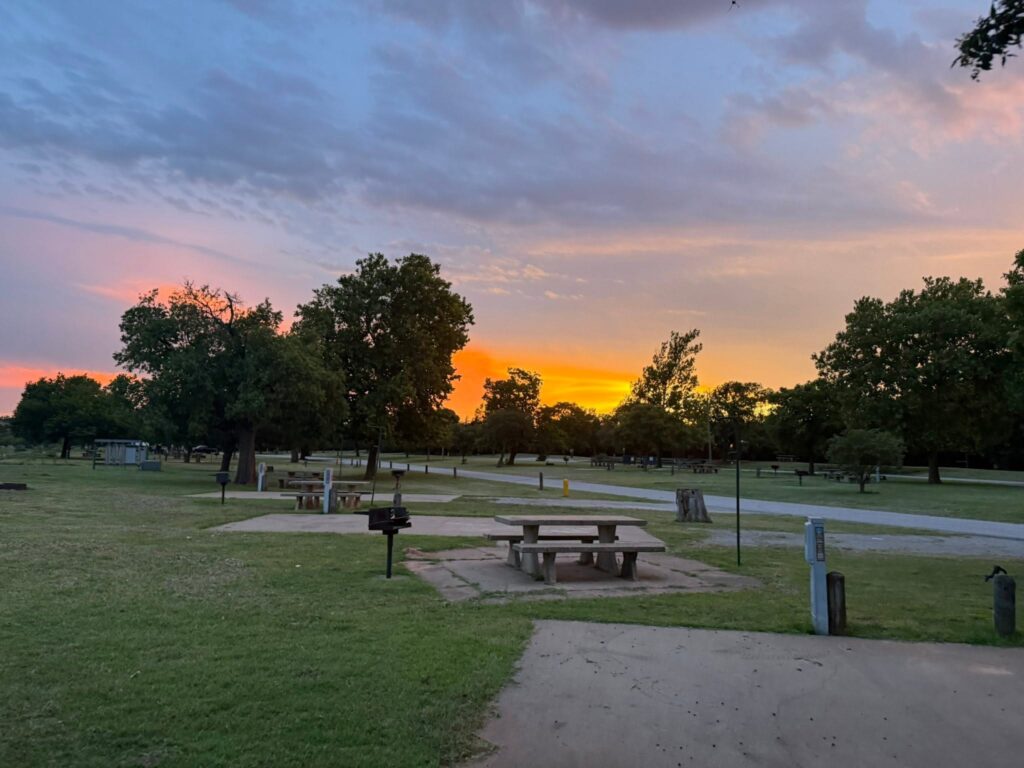
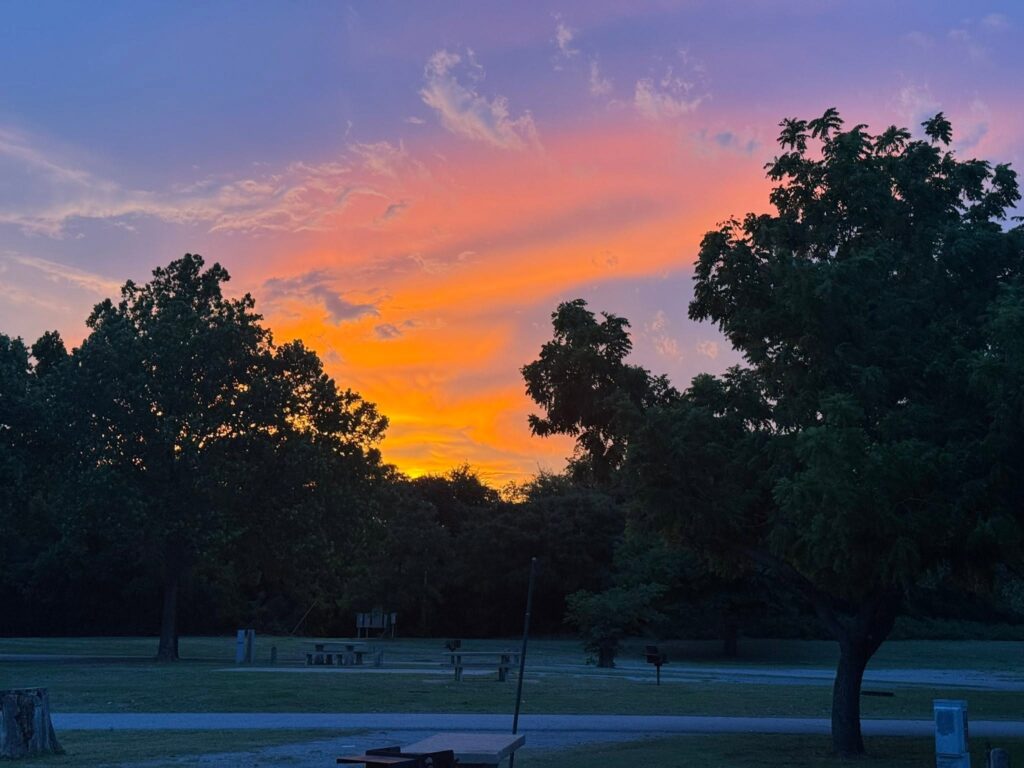
The sunsets at Salt Plains State Park were absolutely breathtaking. Each evening, we looked forward to settling outside, soaking in the peaceful surroundings, and watching the sky transform into brilliant shades of orange, pink, purple, and gold. As the sun dipped below the horizon, the wide-open prairie created an unforgettable backdrop that made every sunset feel unique. It quickly became our favorite way to end the day, enjoying the quiet beauty of nature and the calm atmosphere of the park.
- Five-day cancellation is required on all reservations.
- The first-night stay will be charged to your credit card to confirm your reservations.
- 2 Night Minimum required on weekends; 3 Night Minimum required on Holiday weekends in peak season.
You can book camping sites online here.
Hiking Trails and Scenic Driving Tours
If you enjoy exploring the outdoors, Salt Plains National Wildlife Refuge offers plenty of opportunities to stretch your legs and experience Oklahoma’s unique landscape. Between the refuge’s hiking trails, scenic driving routes, and the neighboring Salt Plains State Park trail system, visitors can easily spend an entire day discovering wildlife, native plants, and breathtaking views of the Great Salt Plains.
One of the best ways to experience the refuge is by combining a scenic drive with a few short hikes. The trails and overlooks provide excellent opportunities to spot migratory birds, deer, wildflowers, and other wildlife throughout the year.
Hiking Trails at Salt Plains National Wildlife Refuge
- Eagle Roost National Recreation Trail
- Hoot Owl Loop
- Sandpiper Nature Trail
- Jet Recreation Trail
- Casey Marsh Trail (accessible via the Harold F. Miller Auto Tour Route)
Hiking and Equestrian Trails at Salt Plains State Park
Located adjacent to the refuge, Salt Plains State Park offers additional hiking and horseback riding opportunities for visitors looking to explore even more of the area.
- Nathan Boone Trail
- Nathan Boone Southwest Loop
- Nathan Boone North Loop
- Sibley Equestrian Trail
- Sibley Equestrian Trail South
- Tonkawa Trail & Wildwood Chapel Trailhead
Scenic Driving Tours
If you’d rather explore from the comfort of your vehicle, don’t miss the Harold F. Miller Auto Tour Route. This self-guided driving tour takes visitors through some of the refuge’s best wildlife viewing areas and overlooks, making it a great option for families, photographers, and anyone with limited mobility.
Visitor Tip: Salt Plains State Park currently charges a $10 vehicle entrance fee. Payment can be made online by scanning the QR code posted on signs throughout designated park areas. Be sure to verify current fees before your visit, as rates may change.
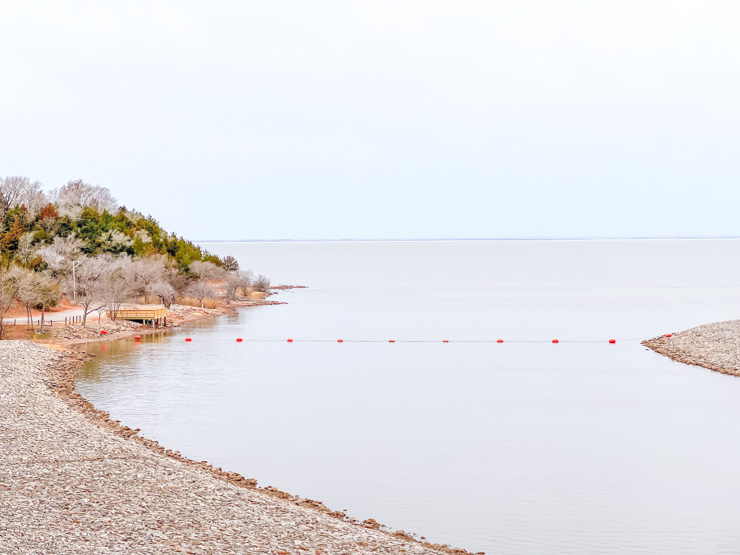
Great Salt Plains Lake
Great Salt Plains Lake is a shallow, salty lake that covers 8690 surface acres with 41 miles of shoreline. So watercraft isn’t really recommended. You’ll find fishing opportunities for catfish, saugeye (a type often found near shorelines), and Sand Bass – which resembles White Bass but has darker backsides. It’s been said that many people come to swim in its salty waters due to its healing properties.
Fishing season is April 1 – October 15th with the exception of the area east of the buoy line of the lake. That area is open year-round.
When we were here, we saw a deer leap into the water and swim across the other side, never breaking a stride. It was very cool to see.
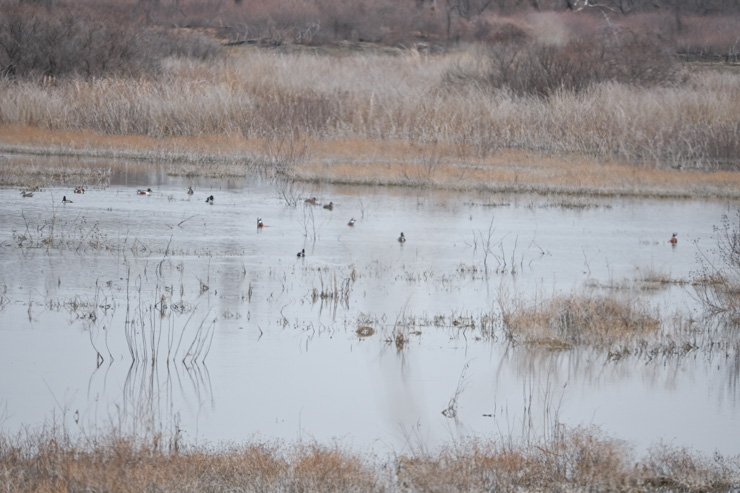
Public Fishing Areas at Salt Plains National Wildlife Refuge
Anglers will find several fishing opportunities throughout Salt Plains National Wildlife Refuge, ranging from quiet creek access points to shoreline fishing along Great Salt Plains Lake. Whether you’re casting for the day or introducing kids to fishing, there are several locations worth exploring.
Popular fishing areas include the bridges and right-of-way access points along State Highway 11, including crossings over Sand Creek. Additional fishing access can be found in waterways north of Highway 11 between County Roads 670 and 700.
For those looking to fish on foot, the Cottonwood Point Fishing Trail and Sand Creek Fishing Trail provide convenient access to productive waters. Keep in mind that the Cottonwood Point Fishing Trail is reserved for anglers and is closed to non-fishing hikers.
The Jet Recreation Trail, accessible from State Highway 38 south of the dam spillway, is another popular spot for fishing and wildlife viewing. Families with young anglers may want to visit Bonham Kids’ Pond, located just west of the Salt Plains National Wildlife Refuge Visitor Center, where children can enjoy a more beginner-friendly fishing experience.
Fishing is also permitted year-round on Great Salt Plains Lake west of the buoy line south of Cottonwood Point Fishing Trail, offering anglers plenty of opportunities to enjoy one of northwest Oklahoma’s most unique outdoor destinations.
Great Salt Plains Wildlife Refuge
Oklahoma is home to a lot of beautiful landscapes and sites, but one of the lesser-known gems in the state is the Great Salt Plains Wildlife Refuge. This refuge is over 11,000 acres large and is a great place for nature enthusiasts and birdwatchers alike. The refuge is especially well-known for its vast populations of shorebirds such as ibis, great egret and blue heron. If you’re looking for an amazing outdoor getaway that’s close to home, make sure to check out the Great Salt Plains Wildlife Refuge! We didn’t get any great photos this time because it looked like a fire had just come though the area.
Keep and eye out for Bonham Pond while you’re at the wildlife reserve. This is a special pond stocked with fish that only kids are allowed to fish in.
What else is there to do at Great Salt Plains State Park?
- Biking
- Canoeing/Rafting/Kayaking
- Fishing- catfish, Saugeye, Sand Bass, and Hybrid Striper can be found here
- Hiking
- Horseback Riding and Equestrian Trails
- Swimming
- Watchable Wildlife
Birdwatching at the Great Salt Plains
One of the best things about visiting Salt Plains National Wildlife Refuge is the opportunity to witness thousands of migrating birds and other wildlife throughout the year. While every season offers something unique, spring and fall are especially popular for birdwatching, while winter is prime time for eagle spotting. (Resource: U.S. Fish and Wildlife Service)
Spring Migration (March–May)
Spring brings an impressive influx of shorebirds as they travel through the refuge. Birdwatchers can often spot semipalmated sandpipers, western sandpipers, and white-rumped sandpipers from the Observation Deck at the Selenite Crystal Digging Area and along the refuge’s hiking trails.
Summer and Fall Migration (July–October)
Late summer and early fall are another excellent time to visit. During this migration period, species such as greater yellowlegs, willets, sanderlings, least sandpipers, and stilt sandpipers can be seen throughout the refuge. Some of the best viewing locations include the North Spillway Dam Overlook, Eagle Roost Trail Observation Deck, and Casey Tower Overlook along the Harold F. Miller Auto Tour Route.
Crane Season (October–Early April)
As temperatures cool, the refuge becomes a seasonal home for both whooping cranes and sandhill cranes. Visitors often have success spotting these magnificent birds at Eagle Roost Trail, Cottonwood Point, Jet Recreation Trail, and Hoot Owl Loop.
Eagle Watching (November–February)
Winter is one of the most exciting times to visit Salt Plains National Wildlife Refuge. During the peak nesting season, both bald eagles and golden eagles can often be seen soaring overhead or perched near the water. Popular viewing areas include Jet Recreation Trail, Cottonwood Point Fishing Trail, and the Harold F. Miller Auto Tour Route.
Tips for Getting the Best Wildlife Views at Salt Plains National Wildlife Refuge
If you’re hoping to spot birds and wildlife, plan to arrive early in the day. The refuge comes alive during the morning hours when birds are feeding and wildlife is most active. Activity often slows around midday as temperatures rise and many species settle down to rest.
For some of the best opportunities to see sandhill cranes, head to Eagle Roost Trail around sunrise or just before sunset. The soft lighting and cooler temperatures make these times ideal for both wildlife viewing and photography.
Looking for a memorable Oklahoma sunset? Make your way to Big Marsh Overlook along State Highway 11. The expansive native grasslands provide a stunning backdrop as the sun dips below the horizon, often accompanied by flocks of birds returning to their evening roosts.
Before your visit, consider checking the National Audubon Society’s Important Bird Area data to see recent birding activity and waterfowl counts. It can help you plan your trip around current wildlife sightings and seasonal migrations.
Hunting Regulations and Public Hunting Opportunities
For the official and most up-to-date hunting regulations, maps, season dates, and permit requirements, visitors should review the Oklahoma Department of Wildlife Conservation’s Salt Plains NWR hunting page before planning a trip. Regulations can change annually, and certain species or hunting areas may have special restrictions, controlled hunts, or seasonal closures. Current information is available here:
Salt Plains NWR Hunting Regulations
This page includes details on permitted hunt types, public hunting area maps, weapon restrictions, licensing requirements, and refuge-specific regulations. Hunting opportunities may include waterfowl, dove, pheasant, quail, sandhill crane, and controlled deer hunts, depending on the season and management objectives.
More travel-related articles:
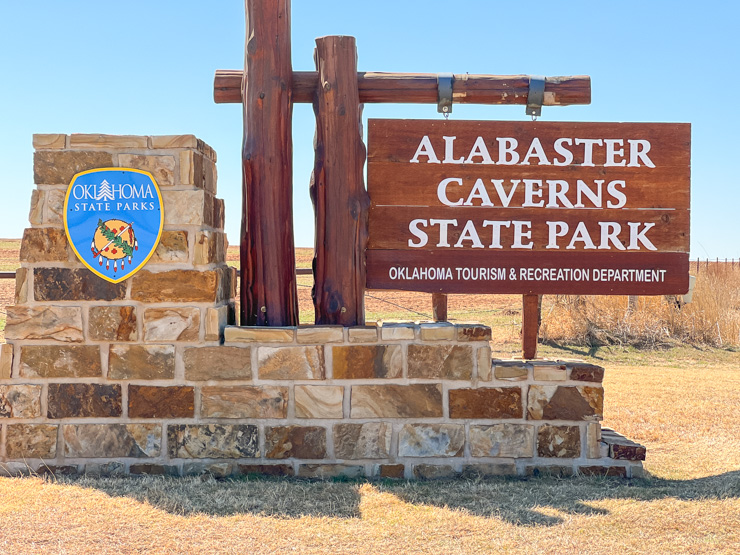
Alabaster Caverns State Park: Your Complete Guide
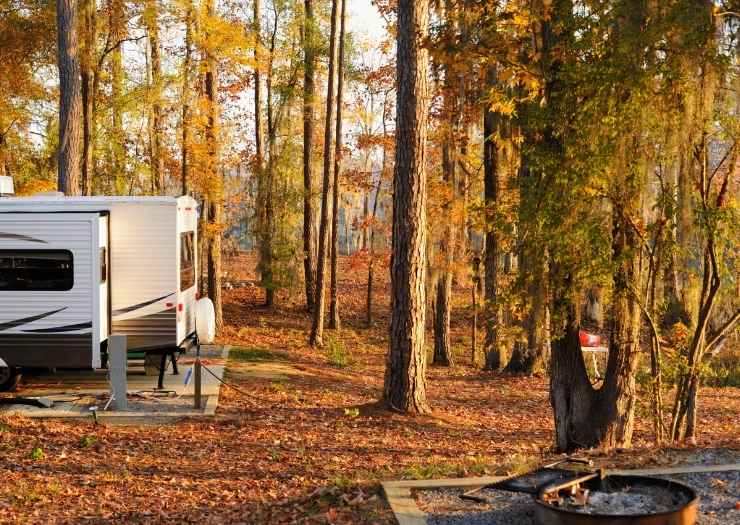
9 Best RV Campgrounds in Oklahoma
More Places to Visit in Oklahoma
- Beautiful Backpacking Trails in Oklahoma
- Things to Do in Hochatown OK
- Visit the Arbuckle Mountains and Turner Falls Oklahoma
- Your Complete Guide to Camping Robbers Cave
- Camping at Sequoyah National Park Oklahoma
- Great Salt Plains State Park: Your Complete Guide
- 9 Best RV Camping Sites in Oklahoma
FOLLOW US ON SOCIAL MEDIA
- Facebook Group
- Explore Oklahoma Facebook Group
- TikTok
- Hot Deals Group
- Recipe Group
- Homesteading Facebook Group
- Don’t forget to invite your friends to our Facebook groups! We would also love to see your vacation pictures!
-
A Girls’ Getaway & Retreat in Sulphur, Oklahoma
Join us for a girls getaway & retreat in Sulphur, Oklahoma, as the Consumer Queen team enjoys good food, shopping, spa treatments, and time together. From The Artesian Hotel and Spa to local restaurants and shops, we found plenty to enjoy while mixing business with a relaxing weekend away.
-
The 2026 Oklahoma State Fair: A Fun‑Filled Celebration of Food, Music, and Mother Road Magic
The 2026 Oklahoma State Fair brings eleven days of food, music, competitions, and Route 66 fun to Oklahoma City. This year’s “Midway of the Mother Road” theme adds new attractions, bold flavors, and family‑friendly entertainment across the fairgrounds. From creative arts and livestock shows to wild new dishes and big concerts, the fair delivers nonstop excitement for every age.
-
UCO Cheap Eats & Lunch Specials Guide (Edmond)
Looking for an affordable lunch near the University of Central Oklahoma? These UCO cheap eats offer quick and easy meals for $12 or less, all within a few miles of campus. From tacos and burgers to Asian favorites and local cafés, you’ll find plenty of budget-friendly options for students, faculty, and visitors.
-
Global Entry Enrollment Event Returns to OKC Airport July 28–30
Complete your Global Entry Enrollment interview at OKC Airport July 28–30. Learn how to secure an appointment and speed up future travel.
-
Covered Wagon Camping at Turner Falls: A Unique Oklahoma Glamping Experience
Discover the Turner Falls covered wagons in Oklahoma, including amenities, comfort, pricing tips, and what to expect during your stay.
-
Spring Adventures: Must-See Oklahoma Events in March 2026
March in Oklahoma brings festivals, concerts, food events, and spring celebrations across the state. From lively street fairs to cultural festivals and major sporting events, there’s something for every traveler. Enjoy blooming landscapes, and a packed calendar of unforgettable experiences.