
Canadian Citizenship by Descent: Could You Qualify?

Could Canadian citizenship by descent be part of your family story? If you have a Canadian parent, grandparent, or more distant ancestor, Canada’s revised rules may be worth a closer look. Before ordering records or planning a passport application, start with the dates and documents that apply to your family.
Daniel and I enjoy sharing practical information that helps you explore your travel options. Here’s a friendly starting point for Americans researching their Canadian roots, with direct links to government instructions so you can take the next step yourself.
Information checked November 12, 2026. This guide provides general information, not a determination of anyone’s citizenship or legal advice. Immigration, Refugees and Citizenship Canada (IRCC) reviews individual applications.
What changed for Canadian citizenship by descent?
Bill C-3 took effect on December 15, 2025. It changed the first-generation limit that had restricted citizenship passed down through Canadian parents born abroad. The change removed that limit in some situations. It did not give every American a Canadian passport.
For people born outside Canada before December 15, 2025, citizenship may have been restored or granted through a Canadian parent. This can include a parent who became Canadian because of the changes. For someone born abroad in the second generation or later on or after that date, the Canadian parent born or adopted abroad generally must have spent at least 1,095 days in Canada before the birth. Adoption follows specific rules and may require a direct grant of citizenship.
Read IRCC’s explanation of the revised citizenship rules. A family connection is a reason to investigate; it is not an individual eligibility decision.

Where should Americans start?
Begin with a simple family timeline. List each person between you and the relative connected to Canada. Write down their full names, birth dates, birthplaces, and any known citizenship details. Make a list of the facts you still need to confirm.
Next, use the questions on the official citizenship certificate application page. Your birth date, your parent’s citizenship history, and whether adoption is involved can change the instructions. The page also helps determine whether you can apply online or need to apply on paper.
Our practical tip: keep a separate folder for each generation. A short note explaining what each record proves will help you spot gaps before you spend money ordering more copies.
Documents for Canadian citizenship by descent
IRCC requires reliable records connecting each generation in your application. A family tree or genealogy website can help you search, but third-party records alone cannot support the application. Use the official application guide and document checklist for your situation.
- Birth records showing the parent-child relationship in each relevant generation.
- Canadian birth, citizenship, or naturalization records, as applicable.
- Identity documents: the paper guide requires two valid pieces showing your name and birth date, with a photo on at least one.
- Name-change documents where required, plus translations for records that are not in English or French.
- Citizenship photographs that meet the specifications for your application method.

If you’re missing a birth certificate, check the official guide for other records you may be able to use. If you can’t get the official documents, keep a record of what you did to try to get them. Include a written explanation with your application. Check the latest document checklist and send original documents only if the instructions ask for them. You don’t want to risk losing irreplaceable family documents.
Can you apply for Canadian citizenship by descent from home?
You can submit a citizenship certificate application from the United States. Eligible applicants can apply online; others use the paper process. For an online application, IRCC lists an email address, a scanner or digital camera, and an accepted payment card among the things you need. Once you start online, you have 60 days to submit it.
Use the official application page to choose the correct route. If you already applied on paper, IRCC says not to submit a duplicate online application while the paper application is being processed.
How much does it cost to apply for Canadian citizenship by descent?
The government fee for a citizenship certificate is CA$75 when checked for this article. That fee covers the certificate application, not a passport. See the official certificate fees and process.
Budget separately for record requests, photographs, translations, postage, and any professional help you choose to use. These costs depend on your family’s paperwork. If you later apply for a passport, check the Canadian passport fees for applicants in the United States.
How long does the process take?
Your citizenship certificate application may take longer than someone else’s. Missing documents, a more complicated case, or requests for more information can slow things down. Before making plans, check the current processing time on Canada’s official citizenship certificate page. The estimate can change.
If you need your certificate quickly, you may be able to ask for urgent processing. Explain why you need it and include documents that support your request. Immigration, Refugees and Citizenship Canada (IRCC) decides if you qualify. Even if IRCC approves your request, you may still miss your deadline. Review its current urgent certificate processing rules before relying on faster service.
Citizenship certificate versus Canadian passport
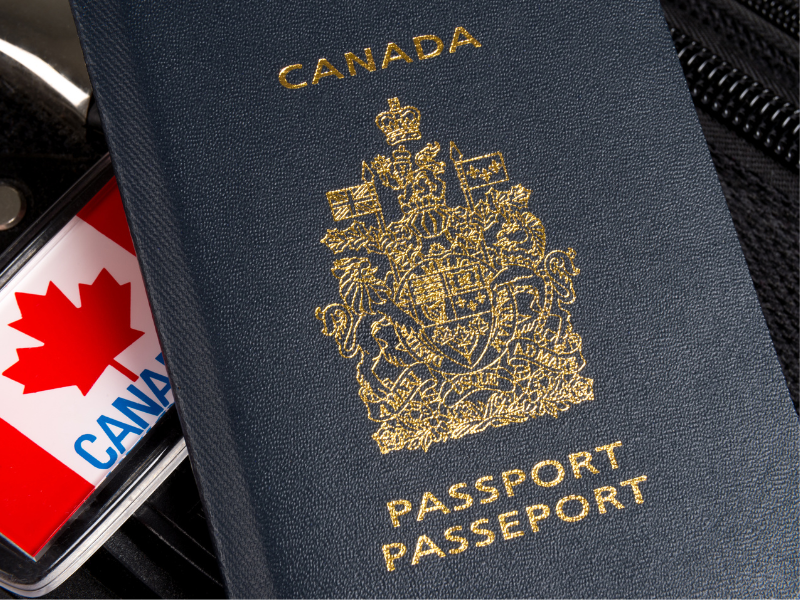
A citizenship certificate proves Canadian citizenship. It is not a travel document. After obtaining proof, eligible citizens can apply separately for a Canadian passport. Keep those two applications separate in your planning and budget.
If you are also a U.S. citizen, the U.S. Department of State’s dual nationality guidance says you must use your U.S. passport to enter and leave the United States. Canada also has specific rules for dual citizens. Check the official Canadian entry requirements for your documents and travel method before booking.

Does citizenship automatically provide healthcare?
A Canadian passport alone won’t get you public health coverage. Each province and territory has its own rules about who qualifies and which services it covers. You’ll need to apply for coverage and meet the local rules.
For example, Ontario generally requires you to make it your main home and spend a certain amount of time there. If you keep living in the United States, you may not qualify. Review Ontario’s OHIP eligibility rules and Canada’s public healthcare overview before making any assumptions on coverage benefits and limits.

What about taxes?
If you become a Canadian citizen, U.S. tax laws still apply to you. Whether you owe Canadian taxes depends in part on where you live. Even if you live outside Canada, you may owe Canadian taxes on income you earn there.
Start with the Canada Revenue Agency’s guidance on determining tax residency and non-resident tax obligations. If you plan to move or open a bank account or other financial accounts, talk to someone who understands the rules in both the U.S. and Canada.
Your first steps before applying
- Write down your family timeline and identify the records you already have.
- Read the official Canadian citizenship by descent rules for the relevant birth dates.
- Use IRCC’s application questions and the correct document checklist.
- Request missing records, check names and dates, and budget for supporting documents.
- Confirm current fees and processing guidance before submitting.
You can research this at your own pace using the government resources linked above. The most useful first step is checking your family’s evidence, then following the application instructions that fit your circumstances.
Planning an international trip while you research? Explore our travel preparation tips and confirm current passport requirements with the issuing government. I’m also a travel agent, and my travel booking services are free to use. I can help with hotels, cruises, rental cars, and excursions when you’re ready to plan your next adventure.