Are Oklahoma State Park Parking Fees Keeping Families Away?
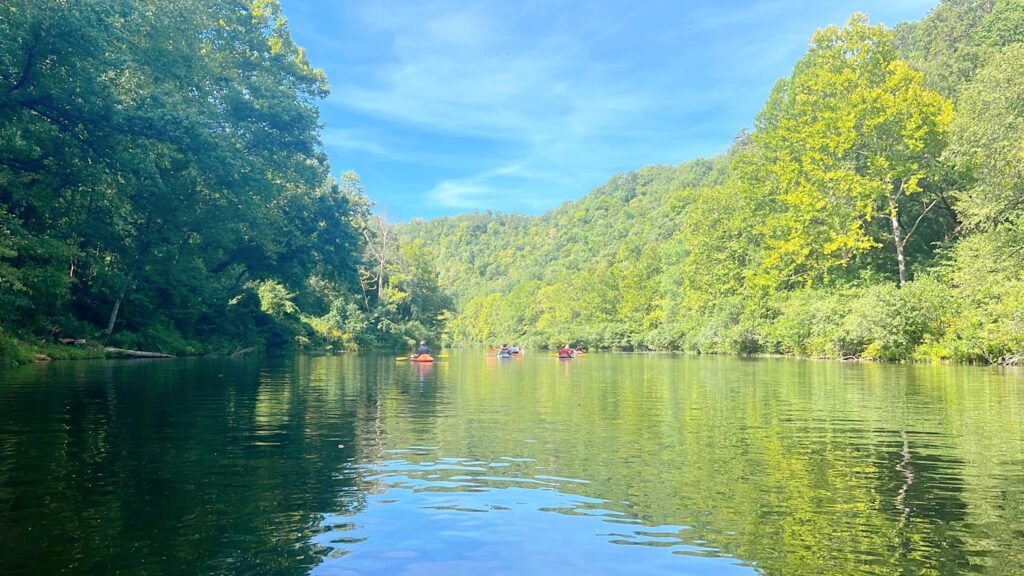
For generations, Oklahoma state parks have been the go-to weekend plan when money was tight but families still wanted memories — fishing with Grandpa, letting kids run trails, or eating sandwiches at a picnic table overlooking a lake. But in recent years, many Oklahoma families say they visit less often. The reason they point to most: Oklahoma State Park parking fee.
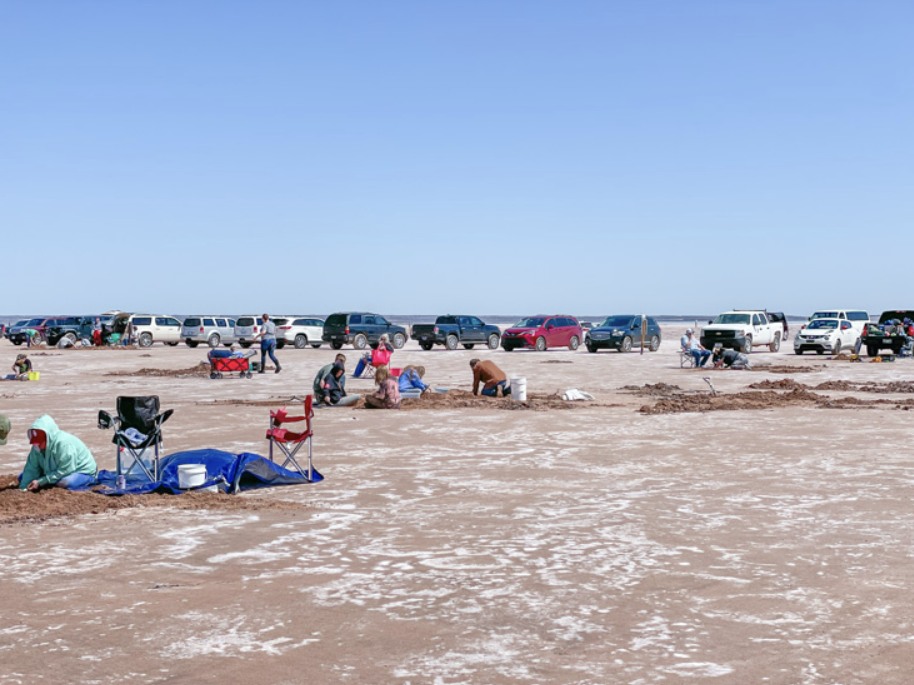
For many Oklahoma families, state parks have never been a “destination.” They have been part of ordinary life. They are where children learned to skip rocks before they learned to drive. Where parents let restless kids burn off energy after school. Where grandparents met halfway for picnics because it cost nothing but gas. And for families like ours — who regularly RV across the state — they are a dependable and affordable way to spend time outdoors without leaving home. I have been visit Oklahoma state parks since I was little. My grandma never had a lot of money but as kids we never knew that. My mom was a single mom and my grandma made sure us grandkids always had something to do. She took us to Roman Nose to hike, Chickasaw National Recreation Area to swim, Great Salt Plains to dig for crystals, Gloss Mountain State Park to clime and look at the sparkles. I could go on and on. I will treasure those memories forever.
That is why the debate over Oklahoma state park parking fees has become unusually personal.
Most people I speak with are not opposed to paying. In fact, many support it — if the result is clean facilities, maintained trails, and protected natural areas. The tension comes from a different question: whether the experience families see today reflects the additional cost now attached to entry.
The program was introduced in 2020 as a way to fund park maintenance and improvements. While some residents support the idea of protecting the parks long-term, others feel something changed, especially for families who used to make frequent short visits. This isn’t just about money. It’s about accessibility, trust, and whether public land still feels public.
What The Oklahoma State Park Parking Fee Is
Oklahoma created a parking pass program at 22 state parks to help generate dedicated funding for maintenance and operations.
In-state vehicle fees typically include:
$8 per day
$20 for 3 days
$28 for 7 days
Annual passes are also available.
Out-of-state visitors pay slightly more, generally starting at $10 per day.
Not every state park charges the fee — only specific high-traffic parks participate — but many of the most popular family parks are on the list.
Most day-use areas in participating parks require a pass, even if families only plan a quick visit.
Which Oklahoma State Parks are Free to Park?
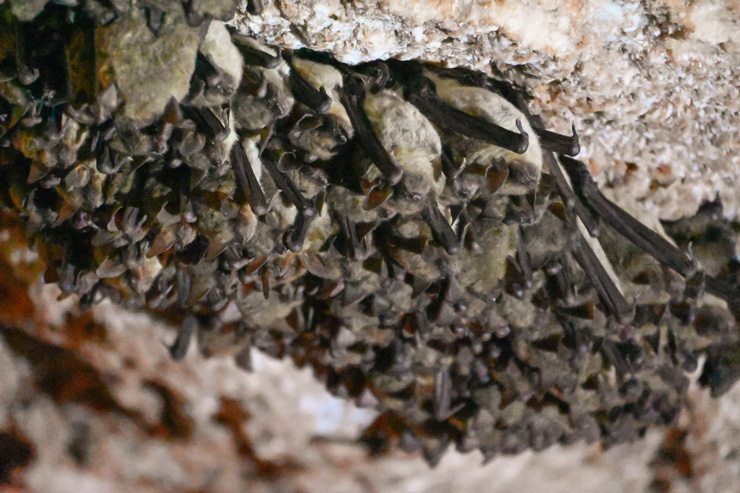
A few of the Oklahoma State Parks or areas of them still have free parking. Who knows how much longer that will be, though?
The following Oklahoma state parks do not require an Oklahoma State Park parking fee:
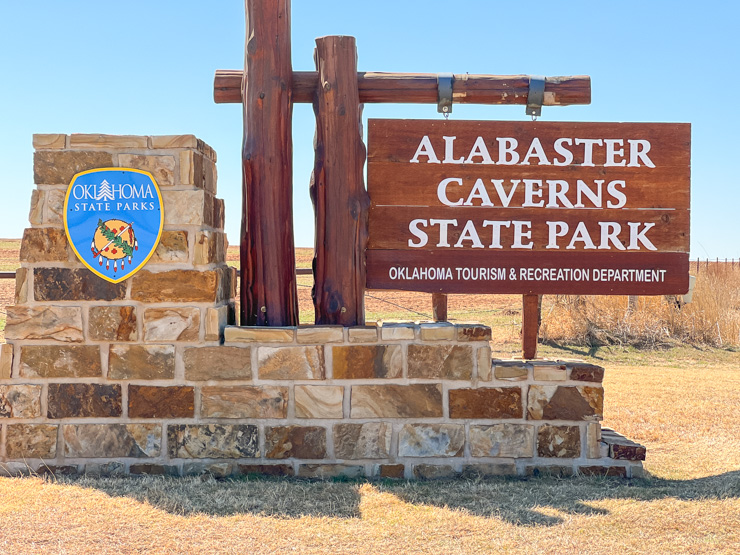
- Alabaster Caverns State Park
- Black Mesa State Park
- Bernice Area at Grand Lake State Park
- Cherokee Area at Grand Lake State Park
- Spavinaw Area at Grand Lake State Park
- Little Sahara State Park
- McGee Creek State Park
- Roman Nose State Park
Where The Money Is Supposed To Go
According to state policy, the revenue collected is intended to stay at the park where it was collected and fund:
Maintenance
Repairs
Bathrooms and facilities
Trail improvements
Operational costs
The state has acknowledged a very large deferred maintenance backlog — meaning aging infrastructure existed long before the fees began. In theory, the parking fees help preserve the parks so future generations can use them. Some residents say they haven’t seen the improvements they expected.
In 2022, the Legislative Office of Fiscal Transparency (LOFT) evaluated the system’s fiscal health, operational challenges, and potential policy options. Three major findings emerged:
Oklahoma’s 38‑park system spans over 80,000 acres and relies heavily on state appropriations despite generating some revenue. LOFT’s evaluation found that long‑term financial feasibility is undermined by poor asset data, misaligned investments, and unclear system goals.
1. Asset valuations are unreliable and inflate maintenance needs.
OTRD’s estimate of $46.5 million in annual maintenance is based on flawed, outdated, and overly uniform asset valuations. These inaccuracies make it impossible to plan maintenance effectively or determine whether assets should be repaired, replaced, or reduced.
2. Capital‑heavy investments reduce financial sustainability.
Spending on lodges, restaurants, and accommodations has increased asset values—and therefore maintenance costs—faster than visitation growth. High‑cost amenities also conflict with visitor preferences, which favor low‑investment basics like clean bathrooms, campsites, and trails.
3. Spending does not reflect the varied purposes of Oklahoma’s parks.
The system includes recreation parks, heritage sites, and flagship tourism parks, each with different needs. A single investment strategy cannot serve all three. Aligning legislative intent with differentiated funding approaches could stabilize the system and clarify its mission.
Why Some Families Say They Visit Less
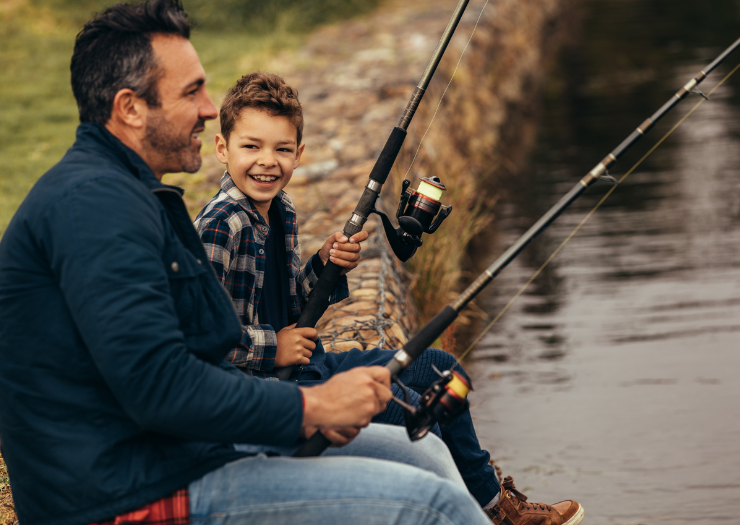
The fee does not primarily affect families planning a weekend trip months in advance. It affects the spontaneous visit — the hour-long walk, the after-dinner fishing stop, the quick playground trip before sunset. Historically, these small, frequent visits formed the backbone of how locals used state parks. The parks functioned less like vacation sites and more like community outdoor space.
For spontaneous family life, it can. Many Oklahoma families historically used parks differently from tourists:
After-school nature breaks
Short sunset walks
Letting kids burn energy for an hour
Weekly fishing trips
Grandparents meeting grandkids halfway
When each visit carries a cost, even a modest one, behavior changes. Not dramatically, but gradually. Families begin consolidating trips, then postponing them, then reserving parks for special occasions rather than routine life. For a vacation, an $8 fee may not matter. When each visit carries a cost, those casual trips often disappear.
Lawmakers and community members have publicly raised concerns that frequent use — especially for lower-income households — drops when outdoor spaces require an entry fee. For some families, parks shift from “part of daily life” to “planned outing.”
And that changes habits.
A Place For Reader Experiences
I recently asked on our Oklahoma Facebook group, “Has the new Oklahoma State Park pay-to-park system discouraged you from visiting our state parks?” The following are just a few of the numerous comments that were received. All quotes are reproduced as accurately as possible and are taken directly from the responses.
Quotes about Visiting Less Often
Jeremiah K.
“Yes, it has. Aren’t taxes already supposed to be paying for the parks? Parks used to be the cheap things that a group and a family could do and now we can’t even go for a walk without having to pay money first.”
Amanda L.
“I think its sad, when our kids were little and money was tight we would go to the parks to just explore. Packed an ice chest of bologna sandwiches and drinks, and we would be out there all day. It makes me sad that they are finding ways to charge the people extra. Times are hard, people are tapped out. Now people aren’t going at all…I hope it was worth charging for parking”
Brandi E.
“I live on the border of Arkansas and Oklahoma. I’ve been to every state park in Arkansas and visit them repeatedly. But I will not cross the border and visit those bc I refuse to pay when I have all of Arkansas parks available for free.”
Ruby H.
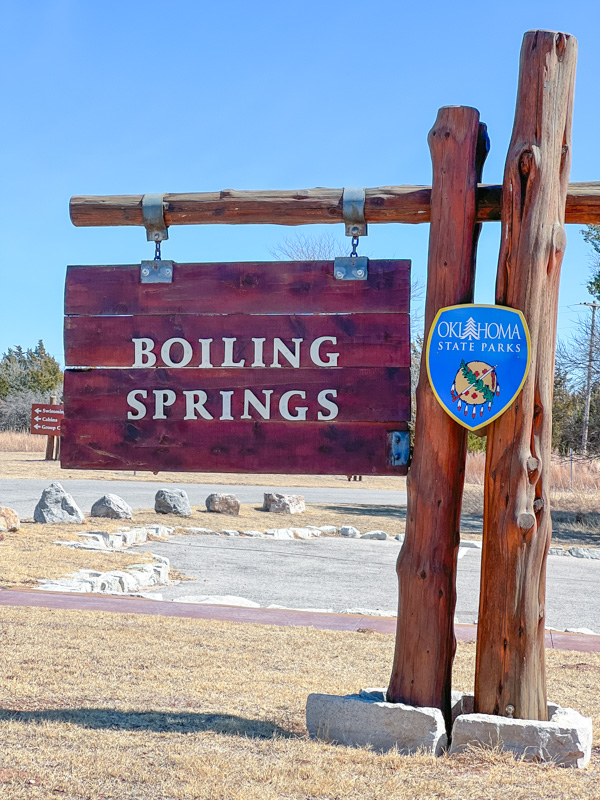
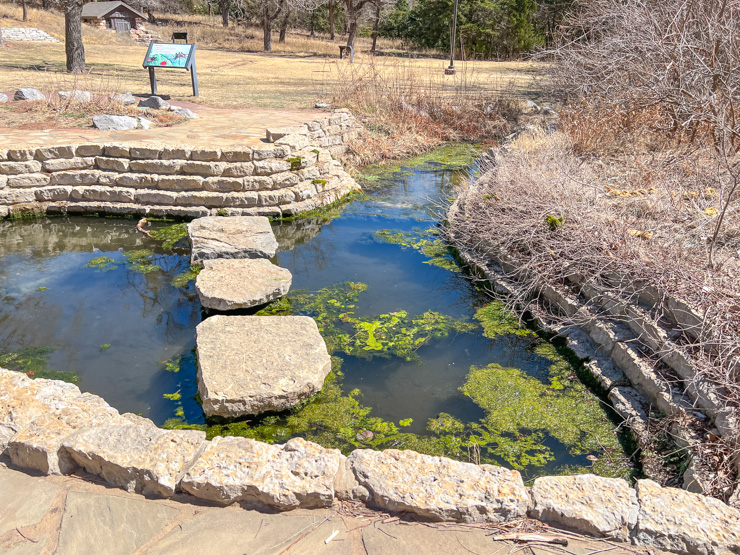
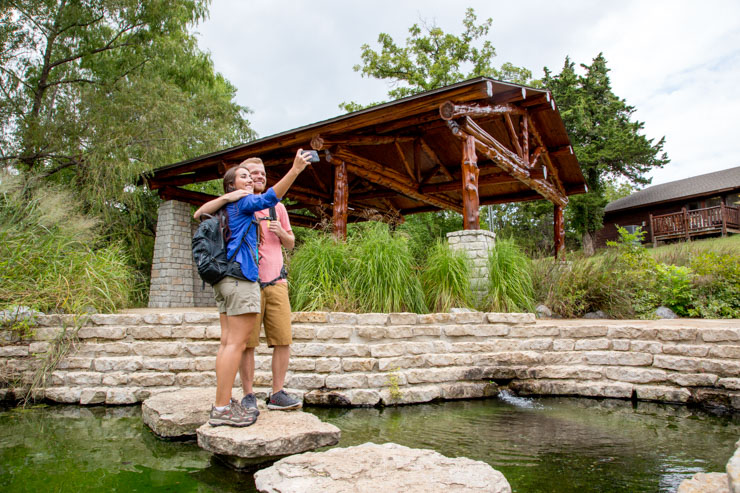
“I loved going to Boiling Springs State Park to do pictures for family and friends but I don’t ever go out anymore if it is a state park it should be free if they need to make money put in a big gift shop maybe even a small store there are so many things they could do other than charging for parking.”
Park Quotes about Fees vs Quick Visits. Plus the Complexity of the System
LuAnn H.
“There’s a lot of people that find that system too difficult to navigate, especially older folks. Plus, we got a ticket when we had purchased parking and it was a mess getting that sorted out. The system is clunky. And not everyone has smartphones and are able to navigate it.”
Steve W.
“It’s a shame that you can’t introduce someone to the outdoors and our beautiful parks without having to deal with this ridiculous system. Even as a senior, with a free pass, it’s incredibly time consuming to get it. Especially, to cover multiple vehicles! With the prices to camp high enough you shouldn’t have to charge someone to just come out and spend the day.”
Hannah W.
“Yes, we used to go around Quartz Mountain State Park all the time, and take our kids to play for an hour or just walk around for a minute. Sometimes we’re short on money for that, and all we have is cash. So we just don’t go anymore.”
Quotes about Park Conditions
Robert H.
“Yes, especially when the park is so not maintained and during the spring Lake Thunderbird looks like a big homeless camp with how filthy and not maintaining the grounds or the facilities. There are parts my wife and I may go visit but you cannot even sit at a picnic table and rest without having to deal with having to pay for day use.”
Amy G.
“I understand the need to keep them maintained but the couple times I have paid, I have not seen anything that my money would be going towards. The area is filthy. Trash is empty but not picked up around the area. Yes, we should all be doing our parts for sure…I hate people who don’t kno how to pick up after themselves, but, for example, the bathrooms r hardly ever clean. So what dos our money pay for?”
Sandy H.
“Charging to park/enter a state park is unacceptable. Someone should request a state audit. Let’s review how much the director and the commissioners make. Why do we need 9?! And where is the money collected going. The parks should be free of trash and mowed but they aren’t.”
Amanda Z.
“Absolutely. And the extra fees don’t seem to be going to making the parks nicer or more kept. Foss lake is in a rural part that mostly locals enjoy and it has made it so difficult for the people who grew up there to visit.”
Some People Think the Oklahoma State Park Parking Fee is Helping
Wendy N.
“I love our state parks and know the funds are being used to improve and maintain the parks. The park pass you buy directly goes to that park, or if you get an annual pass you can choose which park it goes to. Also, there are discounts available for veterans and FREE passes for Oklahoma residents 62 and older. Oklahoma doesn’t have the same funding available as Arkansas for our park system. Lots of states have yearly park passes. I think we don’t like it here because it was free and now we have to pay for parking. I can see the improvement/impact the pay to park has had at Cherokee Landing State Park and I think it’s great!”
Chris S.
“With Park system budgets kept flat over the last few years, the Parking Pass fee helps the budget of those that charge a Parking Pass. Lots of people complain but without that extra money, our Park System will deteriorate further. If you factor in inflation, the Park system loses money by the inflation percentage each year. So each flat budget year, Parks loses increase. No money to fix things people complain about.”
Why Outdoor Time Matters — Especially For Kids
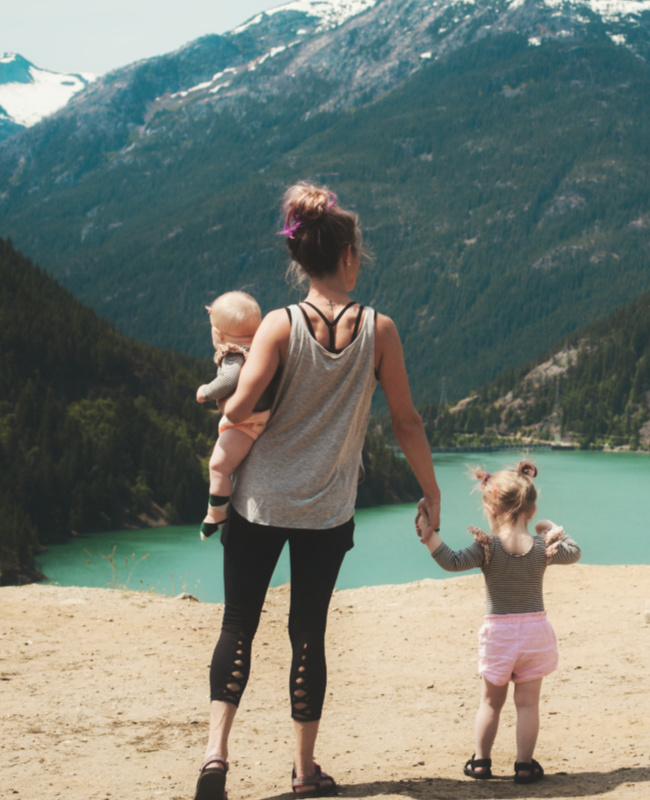
This conversation matters because parks aren’t just recreation. They are preventive health.
Research consistently shows that children who spend time outdoors experience:
Better focus and learning ability
Lower stress and anxiety
Improved sleep
Stronger immune systems
More physical activity
Better emotional regulation
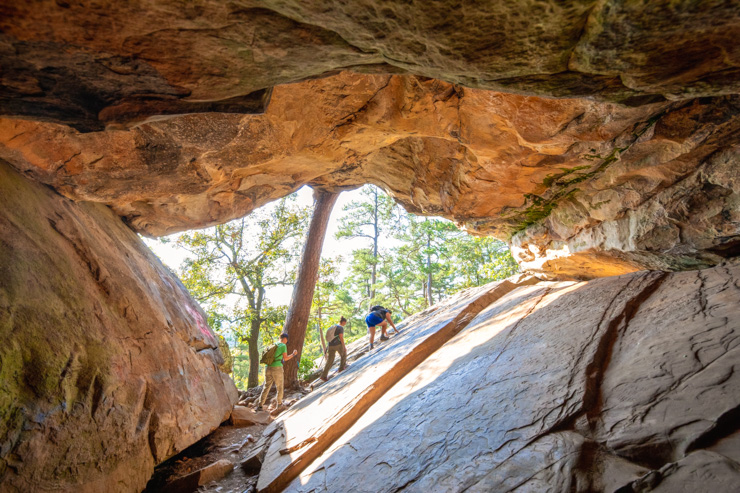
Families also benefit:
Stronger bonding
Lower screen time
Shared memories that don’t require spending money
Mental health relief for parents
Doctors and pediatric organizations encourage outdoor play because nature exposure improves both cognitive and emotional development. In short, parks are one of the lowest-cost health tools families have. When families stop going, something bigger than tourism changes — community wellness.
The Trust Issue: Oklahoma State Park Parking Fee vs Conditions
Here’s where the debate becomes emotional. Some residents say they support fees—if they can clearly see the results. For them, paying a parking fee feels reasonable when it translates into cleaner facilities, safer trails, and visibly improved park conditions. They view the Oklahoma State Park parking fee as a practical way to protect and maintain these public spaces for the long term.
Others, however, say they still encounter dirty restrooms, trash buildup, closed facilities, and unmaintained trails. Whether those issues are widespread or isolated, perception matters. For these visitors, the fee can feel like paying more without receiving noticeable improvements in return.
As a result, the Oklahoma State Park parking fee is seen in very different ways. Some view it as a necessary tool to sustain and preserve the parks. Others see it as a barrier to access and a shift away from the idea of parks as universally shared public spaces. And for many families, the truth likely falls somewhere in between—balancing the desire for well-maintained parks with concerns about affordability and accessibility. They are paying more but receiving the same experience, frustration grows — even if the funding is addressing long-term infrastructure they can’t immediately see.
Public land depends heavily on public trust.
The Real Debate Isn’t About $8
The conversation surrounding Oklahoma state park parking fees is not fundamentally about the price of admission. It is about expectations tied to public land.
Residents understand maintenance costs money. Many, including our family, are willing to contribute. We continue to camp, continue to RV, and continue to recommend the parks because they remain among Oklahoma’s most valuable shared spaces.
But public support depends on visible stewardship. People want assurance that added cost produces measurable care, and when that connection feels unclear, trust weakens.
Oklahoma is attempting to solve a genuine problem: how to preserve aging natural infrastructure without losing the everyday accessibility that made these parks meaningful in the first place. The outcome will likely depend less on whether fees exist and more on whether residents believe the parks still belong to them.
Because for many families, the issue is not access to recreation. After all, the value of a state park isn’t measured only in tourism revenue; it’s measured in childhood memories.
-
Best Things to Do at Beavers Bend State Park Year-Round
Beavers Bend State Park is the heart of the Broken Bow area, offering a scenic escape where towering pines, clear mountain water, and abundant wildlife create the perfect outdoor playground. Families and adventurers can spend their days hiking forested trails, fishing the Mountain Fork River, boating on Broken Bow Lake, or simply soaking in the peaceful beauty of the Ouachita Mountains. With year-round recreation, breathtaking views, and easy access to nearby cabins and Hochatown attractions, Beavers Bend State Park is a must-visit destination for anyone looking to experience the natural side of Oklahoma.
-
Boiling Springs State Park: What You Need to Know
Boiling Springs State Park is a recreation area near Woodward, OK. There’s plenty to do, and perfect for groups or church activities!
-
Alabaster Caverns State Park: Your Complete Guide
If you are planning a trip to Alabaster Caverns State Park, we are going to go everything you need to know about planning your trip.
-
Complete Camping Guide for Greenleaf State Park
Click here for the complete guide to camping at GreenLeaf State Park. Best spots, things to do and how to reserve your campsite.
-
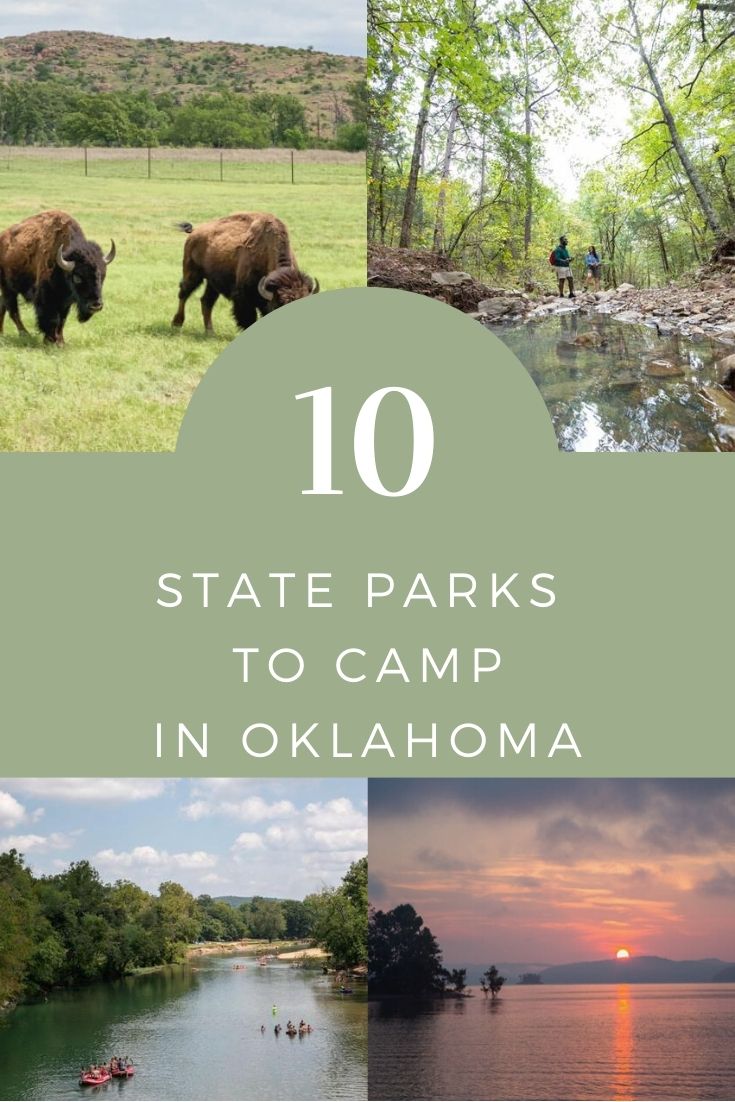
Camping In Oklahoma State Parks- Our Top 10 List
If you’re planning on Camping In Oklahoma State Parks, check out our Top 10 places to camp. Check out the best times for camping Oklahoma.
-
State Parks in Oklahoma Covid Updates
Oklahoma State Parks Covid Updates: What You Need to Know! There’s no reason to cancel your travel, just be prepared with important info!