Venice Cruise Port (Trieste): Our Experience Where We Stayed
If you’re cruising the Mediterranean, you may see “Venice (Trieste)” on your itinerary and wonder what it really means. Daniel and I wondered the same thing. We quickly learned that docking at Venice cruise port Trieste instead of Venice can be a win with a smooth transfer and the right hotel choice.
We ended our Mediterranean cruise and spent extra time exploring Venice. Our ship docked at Venice cruise port Trieste, rather than Venice’s historic lagoon. Since August 2021, Italy has banned large cruise ships from entering the Venice lagoon. This rule has shifted many cruise arrivals to alternate ports like Trieste.
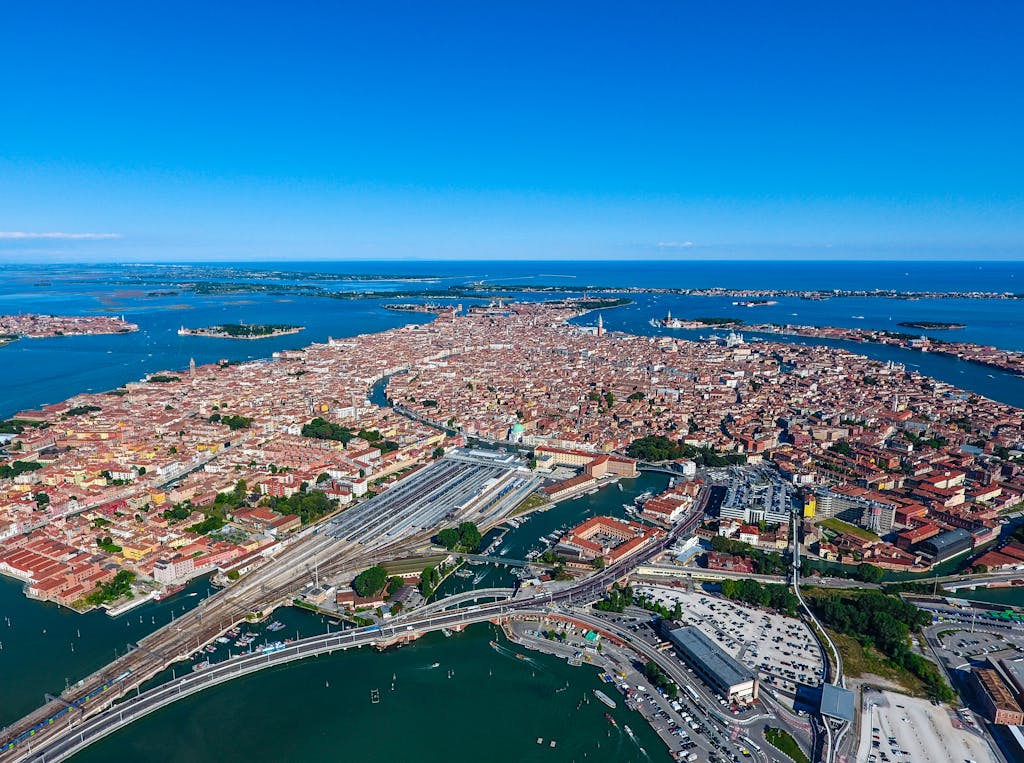
Italy restricted large cruise ships to protect Venice’s fragile environment and historic cityscape. Ships heavier than 25,000 tons or longer than 180 meters can no longer sail past St. Mark’s Square. Authorities acted after concerns about pollution, erosion, wave damage, and overtourism. UNESCO also pressured Italy, warning Venice could be listed as endangered without stronger protection.
Because large ships can no longer dock in Venice’s historic waters, cruise lines now use alternate ports like Trieste, Ravenna, or Marghera. Some itineraries require tender boats from offshore, while others skip Venice entirely.
For our stay, we booked the Hilton Molino Stucky Venice on Giudecca. It was one of our smartest decisions. The breakfast buffet was excellent, and the hotel’s shuttle boat to San Marco and Zattere made Venice far more manageable.
This post shares our personal experience using the Venice cruise port Trieste. We also explain exactly how we planned a comfortable stay in Venice.
What “Venice Cruise Port Trieste” really means
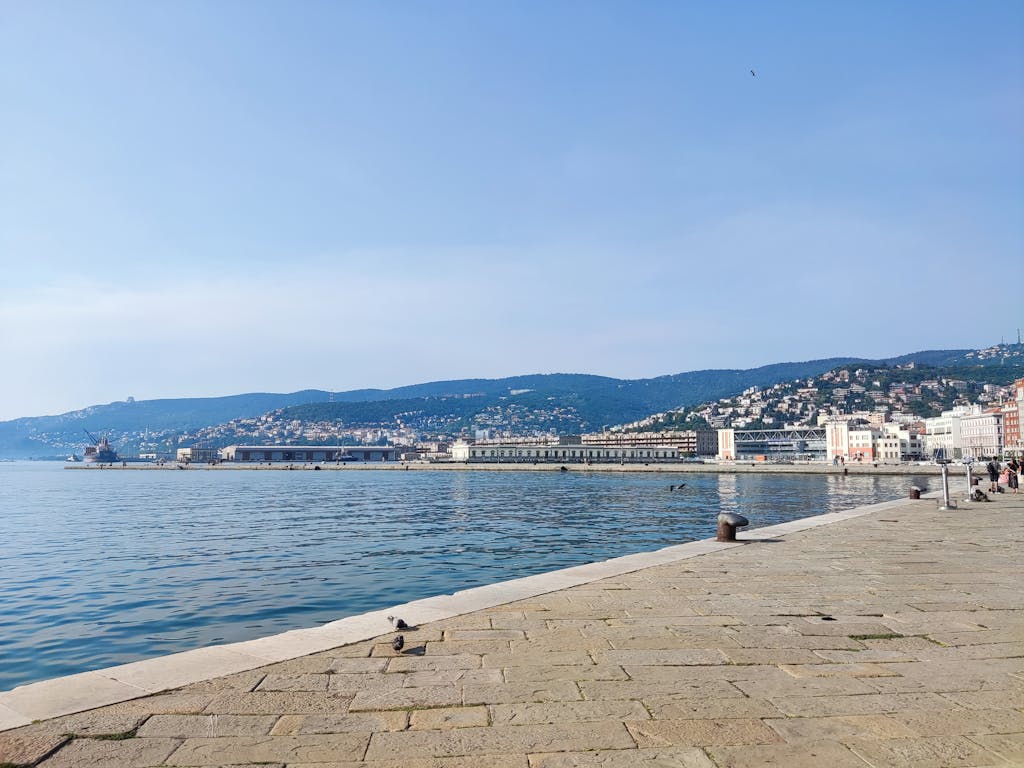
Trieste is a beautiful Italian city on the Adriatic, but it is not Venice. When a cruise itinerary lists “Venice (Trieste),” it’s typically because the ship is docking in Trieste instead of Venice itself.
Italy’s restrictions on large ships entering Venice’s lagoon changed cruise routing. Trieste became one of the primary alternatives. This matters because it changes your day. Instead of stepping off the ship directly into Venice, you’ll either explore Trieste briefly or transfer onward to Venice.
The good news is that Trieste’s port is surprisingly convenient. The cruise terminal for the Venice cruise port Trieste is central and close to the city center. It does not have the “industrial port” feel some travelers fear.
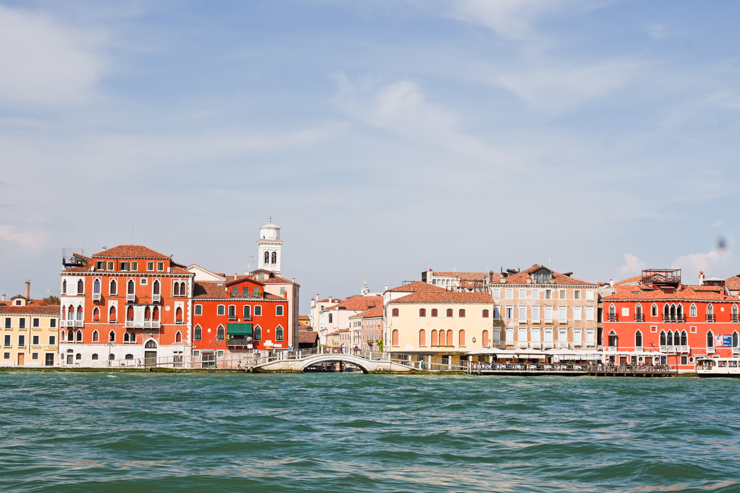
Our First Impressions of the Venice Cruise Port Trieste
For us, Trieste felt straightforward from the start. The port is close to major landmarks, and the city center is near enough that you can get a taste of Trieste without committing to a full day there.
Venice cruise port Trieste, Italy, offers history, culture, and coastal charm. Visitors can explore Piazza Unità d’Italia and stroll along the scenic waterfront. Historic cafés inspired writers like James Joyce. Miramare Castle and its gardens provide stunning Adriatic views. The Roman Theatre and Trieste Cathedral show the city’s rich past. For a relaxed experience, wander the old town streets or enjoy local seafood at waterfront trattorias.
If your cruise timing allows, Venice cruise port Trieste is worth a quick wander. It has grand architecture, a café culture, and a very different feel from Venice. But if Venice is your priority, you’ll want to focus on getting transferred efficiently, especially if you’re traveling with luggage.
How to get from Trieste to Venice (What We Recommend)
The most important thing to understand is that Trieste to Venice is a transfer, not a quick hop. The distance is approximately 157 km, and travel time varies depending on whether you travel by train, bus, or private transfer.
Train from Trieste to Venice
This is one of the most common and practical options. Trains run from Trieste Centrale to Venezia S. Lucia, and Venezia S. Lucia is the station you want because it’s on the island and puts you right into Venice’s action.
If you’re doing this with luggage, the train can feel easier than a bus, and you don’t have to worry about traffic.
Bus from Trieste to Venice
Buses can take around two hours, depending on the route. The biggest drawback for us is that bus schedules and drop-off locations aren’t always as traveler-friendly when you’re trying to navigate Venice for the first time.
Private Transfer from Venice cruise port Trieste
If you want the smoothest option and you’re okay paying more, a private transfer can be worth it, especially if your cruise ends early and you want to maximize time in Venice without dealing with station navigation.
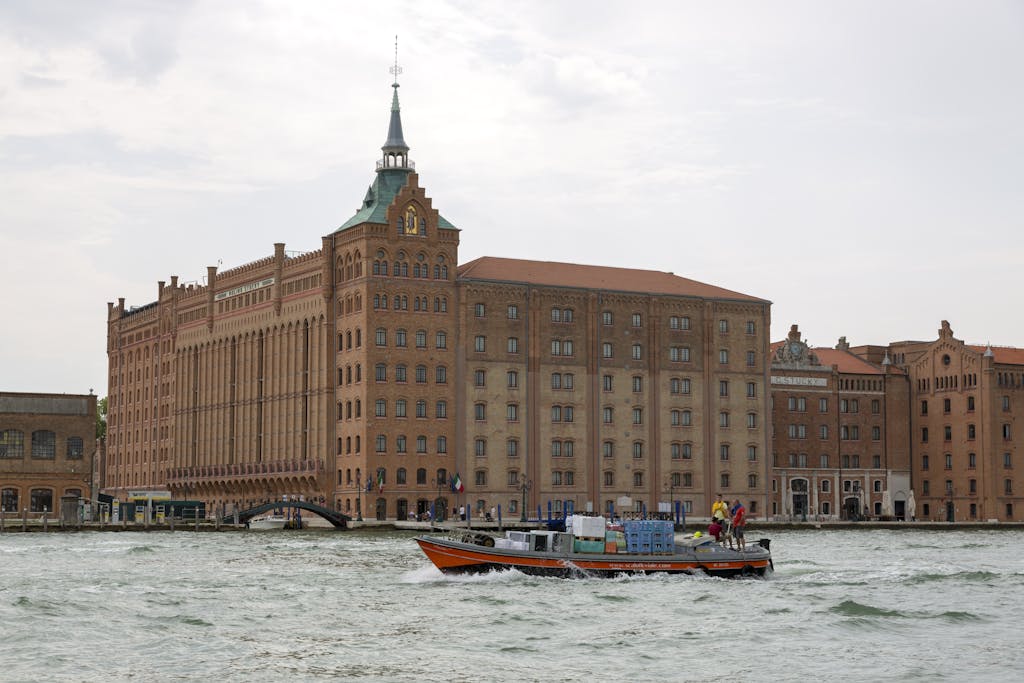
Why We Chose Hilton Molino Stucky Venice
Venice is one of those cities where your hotel decision can make or break your experience. It’s stunning, but it’s also easy to feel overwhelmed by crowds, pricing, and the logistics of dragging luggage across bridges.
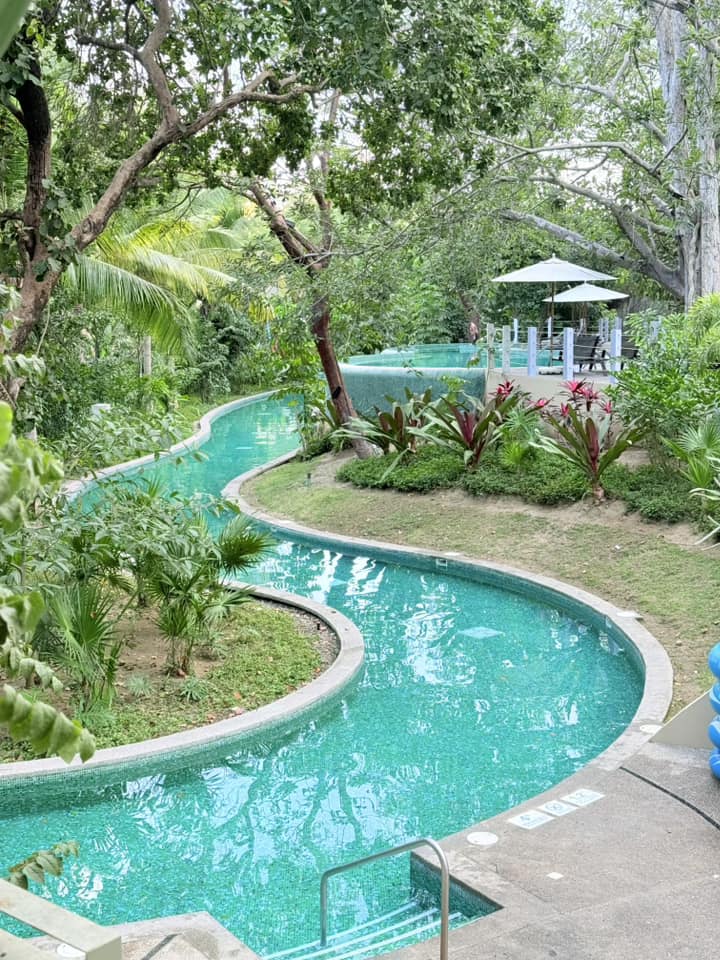
Set on tranquil Giudecca Island, Hilton Molino Stucky Venice occupies a beautifully restored 19th-century flour mill. The iconic neo-Gothic building blends historic character with modern luxury. Guests enjoy sweeping views of the Venetian skyline and Giudecca Canal. Spacious rooms and suites feature contemporary comforts and elegant design. The hotel offers multiple restaurants, stylish bars, and a well-equipped spa. Its seasonal rooftop pool and Skyline Rooftop Bar provide some of Venice’s most impressive panoramas. A convenient private shuttle boat connects guests to St. Mark’s Square in minutes. The quieter island location offers a peaceful retreat from Venice’s busiest areas.
What really sold us was the combination of comfort, breakfast, and transportation, especially when compared to staying elsewhere in Venice. The Hilton Molino Stucky offers spacious, modern rooms that feel like a true retreat after busy days navigating crowded streets and bridges. Breakfast is generous and relaxed, with a wide variety of options that many smaller Venetian hotels simply cannot match. Starting the day with a full, unhurried breakfast made sightseeing far more enjoyable.
Equally important is the hotel’s private shuttle boat, which provides an easy, scenic connection to central Venice. While other hotels require long walks or crowded vaporetto rides, this smooth water transfer removes much of the daily hassle. Together, these elements create a stay that feels both indulgent and practical within the unique challenges of Venice.
Click here to Book this Hotel.
The Breakfast Buffet was Genuinely Excellent
We love a hotel that starts the day strong, and Hilton Molino Stucky delivered. The hotel’s breakfast is served buffet-style, and Hilton describes it as a full Hilton buffet breakfast.
From our experience, it wasn’t just the typical basics. It felt abundant and well-managed, with enough variety to keep breakfast interesting even over multiple days. Having a substantial breakfast also made our days in Venice easier because we weren’t immediately hunting for food in crowded tourist areas.
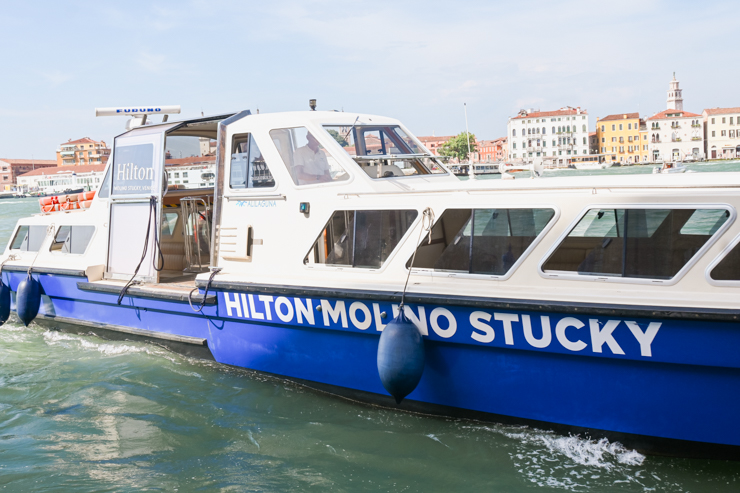
The Shuttle Boat Made Venice Easy
This was the game changer.
Hilton Molino Stucky offers a hotel shuttle boat that runs seven days a week, connecting the hotel with key stops near Piazza San Marco and Zattere. We used it constantly. It saved time, reduced stress, and made Venice much easier to enjoy. Hilton lists the shuttle rate as 15€ per person per stay, with daily service stopping at San Marco and Zattere. At roughly $15, it felt like a steal, and for how often we used it, it was one of the best values of our entire Venice stay.
Our advice is to mention it exactly the way the hotel states it and then share your personal take. Something like: it was about $15 for the whole stay, and we used it nonstop. Just know the official wording is per person, not per room.
You Can Get Here from the Airport or by Train
Hilton Molino Stucky worked well as a post-cruise hotel because Venice is easy to reach by train. The hotel provides clear guidance for getting there from both the airport and the train station.
This matters because if you’re coming from Trieste, you’re likely arriving to Venice via Venezia S. Lucia train station. From there, Venice logistics kick in, but staying somewhere with a reliable shuttle boat makes it far less intimidating.
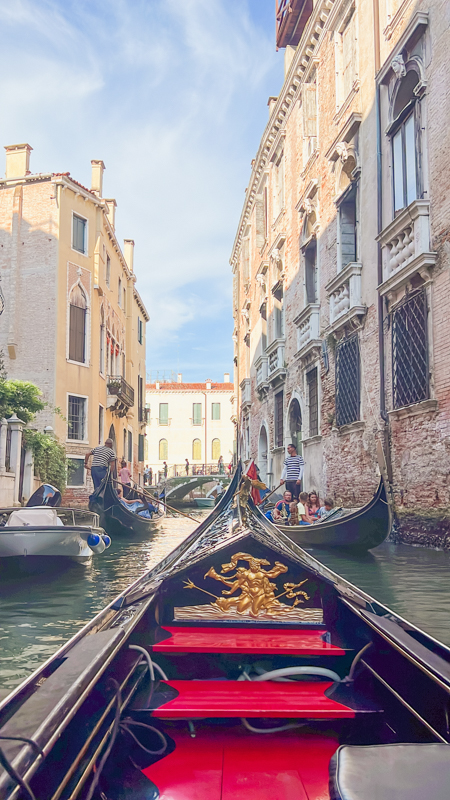
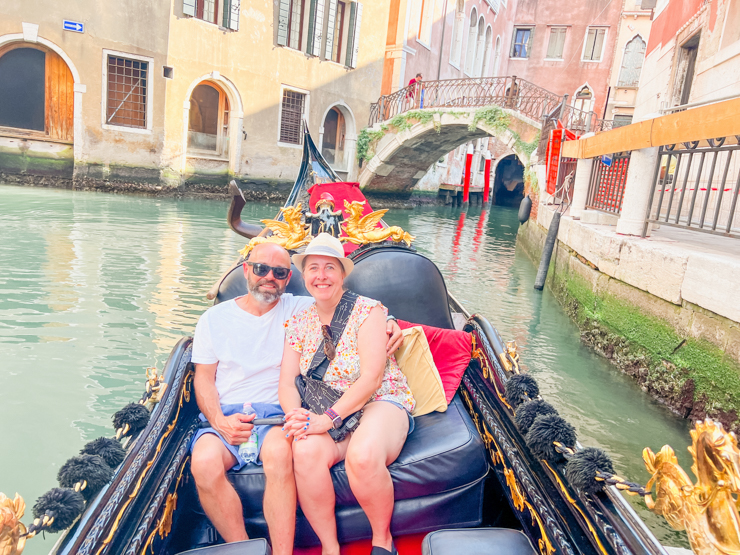
Our Venice Strategy after Cruising into the Venice cruise port, Trieste
Venice is not a city you want to “power through” at full speed. Our best days looked like this:
- Start with a solid breakfast at the hotel
- Head out via the shuttle boat to San Marco or Zattere
- Explore on foot and take in the beauty slowly
- Return to Giudecca when crowds felt heavy
- Head back out in the evening when the energy shifts and Venice feels softer
Having that calm reset point at Hilton Molino Stucky was huge. Giudecca gave us space, and the shuttle boat gave us freedom.
Practical Tips for Cruise Travelers Using Venice Cruise Port Trieste
Build in buffer time
Trieste to Venice is manageable, but it’s still a transfer day that requires planning. Disembarkation can take longer than expected, especially with large ships. Luggage handling and transfers add another layer of time and coordination. Train stations can be busy and confusing, particularly if you’re unfamiliar with Italian rail travel. Platforms, ticket validation, and signage may slow things down. Planning extra buffer time helps reduce stress and keeps the day from feeling rushed.
Decide what your priority is
If Venice is the main goal, it helps to think of the Venice cruise port Trieste as the gateway rather than the destination. The city is pleasant and compact, making it easy to enjoy a short walk along the waterfront or through its main squares. With limited time, even an hour can provide a nice introduction to Trieste’s atmosphere. However, Venice rewards early arrivals and unhurried exploration. Delaying your transfer can mean lost sightseeing time later in the day. If your schedule is tight, prioritize reaching Venice and settling in while the day is still ahead of you.
Sights Near Piazza San Marco and Zattere
Piazza San Marco is the historic heart of Venice and home to its most famous landmarks. St. Mark’s Basilica dominates the square with glittering mosaics and ornate details. The Doge’s Palace next door reflects Venice’s powerful political past. Climbing the Campanile offers sweeping views across the city and lagoon. Nearby sights include the Clock Tower and the Museo Correr, adding depth to the area’s history.
Just beyond the square, the Giardini Reali offers a quieter escape from the crowds. The Mercerie leads toward Rialto through narrow, lively shopping streets. Small bridges near San Marco provide classic photo views. One of the best angles of the Bridge of Sighs is also nearby.
Zattere has a relaxed, sunny, and local atmosphere. This long promenade runs along the Giudecca Canal. It’s ideal for strolling, sitting by the water, or stopping for gelato. Many visitors enjoy a spritz while watching boats pass. Late afternoon light makes this area especially beautiful.
The nearby Dorsoduro district is rich in art and architecture. Santa Maria della Salute features grand domes and dramatic interiors. The Gallerie dell’Accademia showcases Venetian masterpieces. Punta della Dogana focuses on contemporary art. The Accademia Bridge offers one of the finest views of the Grand Canal.
Churches to See in Venice
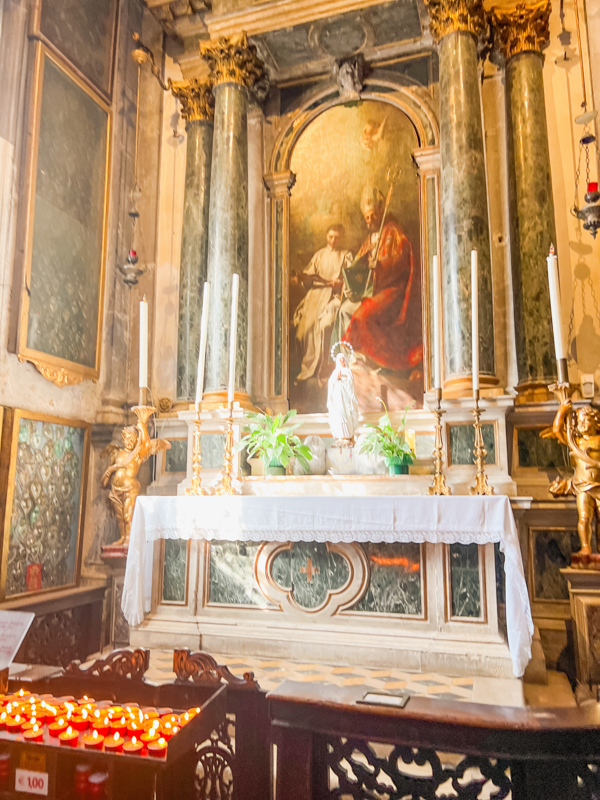
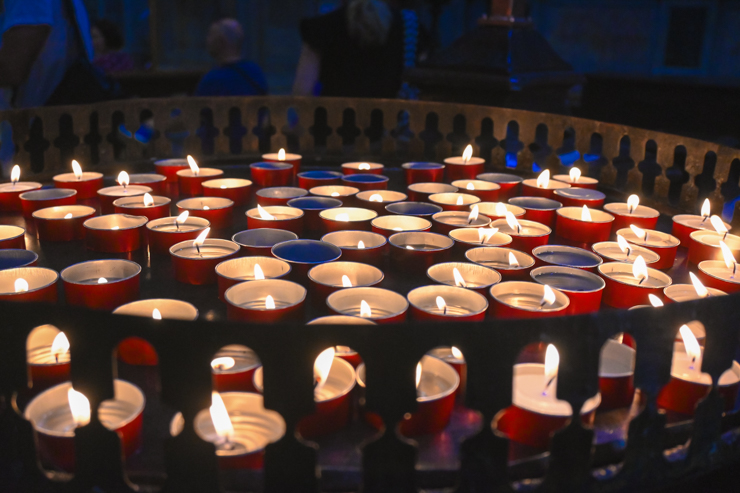
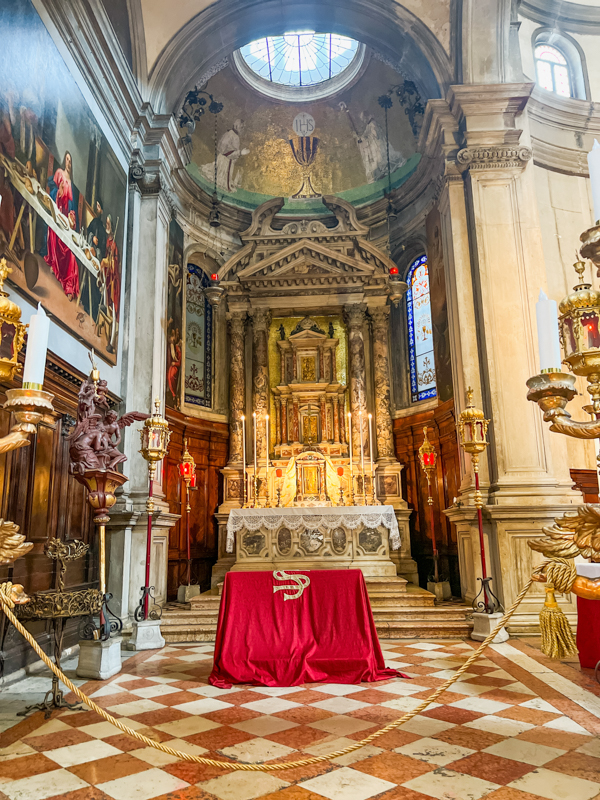
Assumption of Mary (Chiesa di Santa Maria Assunta / Gesuiti) is a striking Baroque gem in Cannaregio known for its ornate façade with Corinthian columns and inlaid marble that dazzles up close. Its richly patterned interior feels immersive — just remember to dress modestly (shoulders and knees covered) to avoid being turned away, and check opening hours as smaller churches can close for services.
Basilica di Santa Maria della Salute is one of Venice’s most photogenic churches. The octagonal Baroque basilica stands at the entrance to the Grand Canal, built in thanks for deliverance from the plague. Inside, beautiful marble floors and notable artworks reward a visit; if you’re there on November 21, the Festa della Salute procession and temporary pontoon bridge across the canal make it extra special.
Basilica di Santa Maria Gloriosa dei Frari is a grand Gothic Franciscan basilica in San Polo that houses masterpieces like Titian’s “Assumption of Mary” and important funerary monuments by sculptors such as Canova. The lofty, light-filled interior and art in situ make it feel more like a museum-church; go early to enjoy it before tour groups arrive.
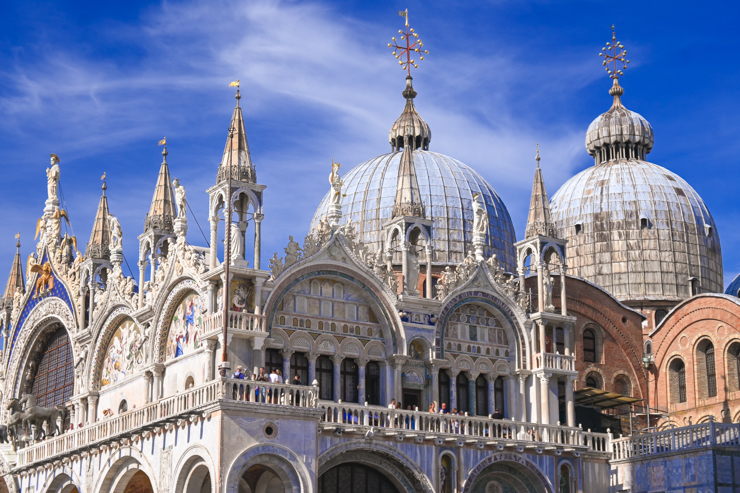
St. Mark’s Basilica (Basilica di San Marco) – Venice’s most iconic church in Piazza San Marco, where shimmering Byzantine mosaics, onion domes, and ornate façades reflect centuries of Venetian power and artistry. Lines can be long, so arrive early, drop bags at a nearby locker, and adhere to the dress code — modest attire is required for entry.
Church of Saint Mary of the Carmelites (Chiesa di Santa Maria dei Carmini) is a lesser-visited brick and marble church with a layered artistic interior featuring 24 paintings on Carmelite history and works by Lorenzo Lotto. Its quieter atmosphere makes it a good midday stop if you want art and architecture without crowds.
Tips for Visiting Churches in Venice
When visiting churches in Venice, it’s important to plan ahead. Most churches enforce strict dress codes, so be sure to cover your shoulders and knees before entering. Check opening hours in advance, as many smaller churches close during Mass or midday. If you plan to see several churches, the Chorus Pass can save money by offering entry to multiple sites on one ticket. To avoid crowds, aim to visit early in the morning or later in the afternoon, especially at popular churches like St. Mark’s Basilica and Santa Maria della Salute.
Choose your Venice hotel based on transportation, not just looks
Venice hotels can be charming, but logistics matter far more than aesthetics. The city’s canals, bridges, and crowds can quickly turn simple plans into time-consuming detours. A hotel with a consistent, reliable boat shuttle to the areas you’ll visit most offers real, everyday value. It removes guesswork and reduces dependence on crowded public vaporetti or long walks with stairs. Hilton’s shuttle stopping near San Marco and Zattere made our stay feel easy and predictable. That sense of reliability is priceless in a city where movement often dictates the pace of your day.
What is Breakfast Like in Venice?
In Venice, breakfast is typically light, simple, and Italian‑style. Locals often start their day with a cappuccino or espresso and a pastry like a cornetto from a neighborhood café or bar rather than a large cooked meal.
Hotel breakfasts vary widely. Budget and mid‑range hotels usually serve pastries, bread, yogurt, fruit, and bottled juice, with hot cooked items like eggs or bacon being rare. Upscale hotels may offer more substantial breakfast spreads, including eggs, meats, cheeses, fresh juice, and even prosecco, but portions are still more refined than in North America.
A few local customs can help you enjoy meals like a Venetian: ordering coffee at the bar is cheaper than sitting at a table, and cappuccino is traditionally only consumed before late morning. If you want stronger or milder coffee, try variations like an Americano or macchiato.
Finally, breakfast in Venice isn’t usually the big feast many Americans expect. Embrace the culture of simple, quality ingredients and the relaxing ritual of coffee and conversation before heading out to explore the city.

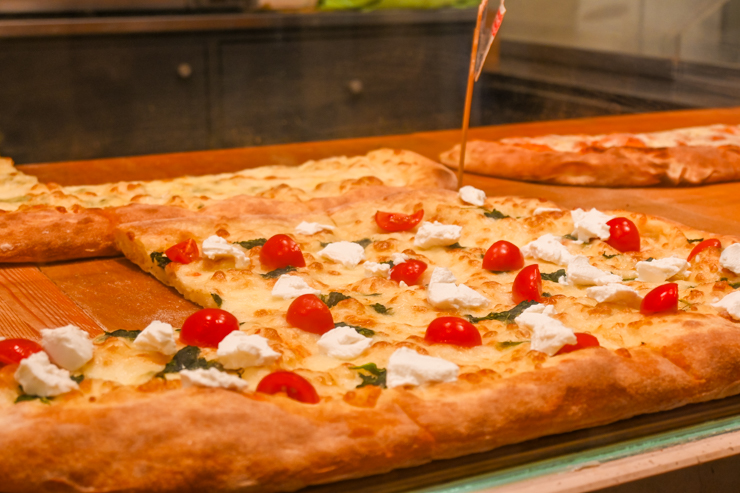
Restaurants to Try in Venice
Casual & Local Favorites
Start with relaxed, high‑quality spots loved by locals and visitors alike:
- Rio Novo – Canal‑side osteria with excellent seafood risotto and Venetian classics in a friendly, casual setting.
- La Nuova Perla – Highly rated for traditional Venetian fare and warm service.
- La Zucca – Casual Italian restaurant known for creative, vegetable‑forward Venetian dishes.
- Osteria Al Squero – Perfect for quick bites, cicchetti, or an informal lunch near the canals.
- Al Vecio Forno – Classic Venetian spot with wood‑fired dishes and hearty pasta in Dorsoduro.
Mid‑Range Sit‑Down Options
These places are great for a proper dinner without tipping into luxury prices:
- Hostaria Osottoosopra – Stylish, modern Italian with excellent pastas and service.
- Ai Mercanti – Charming restaurant offering refined Venetian dishes in a historic setting.
- Hostaria Castello – Elegant yet approachable, serving quality regional cuisine.
- Ristorante San Silvestro – Beloved for its inviting atmosphere and consistent Italian classics.
- Osteria al Giardino – Hidden gem with seasonal Venetian plates and friendly service.
Upscale & Special Occasion
For a more refined experience or a special night out:
- Bistrot de Venise – Sophisticated fine dining with excellent wine pairings and standout Venetian modern cuisine.
- Ristorante Wistèria – Elegant and highly rated fine dining with creative Italian dishes.
- El Magazen – Elevated Venetian dining with polished plating and local ingredients.
Versatile & Classic Picks
- La Piazza – Great mid‑range choice near St. Mark’s with hearty Italian comfort food.
- Osteria del Lovo – A longtime favorite for Venetian staples with a lively atmosphere.
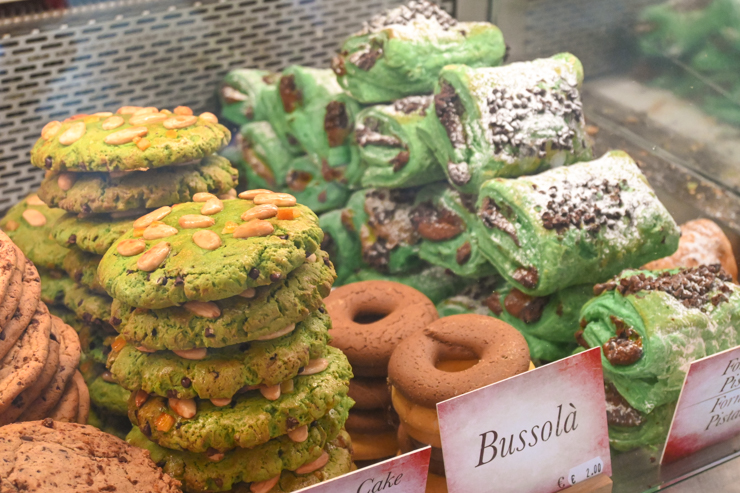
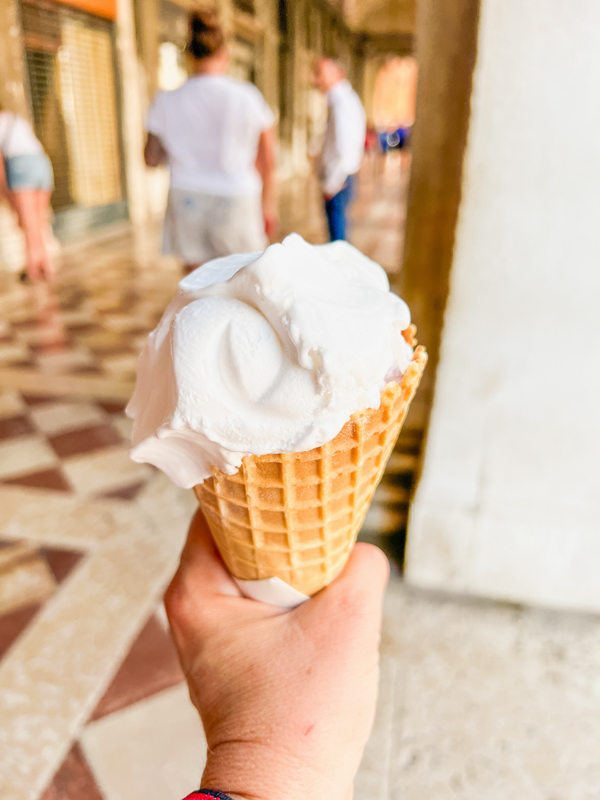
Tips for Dining in Venice:
- Many restaurants in Venice fill up quickly, especially mid‑range and upscale spots—reservations are strongly recommended.
- For the most authentic experience, seek out bacari and osterie for cicchetti (Venetian small plates) alongside a glass of local wine.
Other Options to Stay at in Venice
San Marco – Classic Venice & Iconic Sights
San Marco puts you right next to Venice’s most famous landmarks — the Piazza San Marco, Basilica, Doge’s Palace and waterfront views — making it ideal for first-time visitors who want unbeatable walkability and historic charm. A well-located budget-friendly option here is Hotel Bel Sito e Berlino, a charming hotel just steps from Saint Mark’s Square with easy access to vaporetto water buses and classic Venetian streets. For a more luxurious stay, consider the elegant Hotel Danieli, a historic five-star property near Riva degli Schiavoni with grand interiors, lagoon views and refined service — perfect if you’re celebrating a special trip.
San Polo – Central & Walkable
San Polo is one of Venice’s oldest districts, beloved for its medieval streets, Rialto Bridge views, and proximity to markets and cafés. Staying here means you’re central without being lost in the busiest crowds of San Marco, and it’s still an easy stroll to top attractions. A good value pick in this area is Albergo San Marco, right near the square of the same name and a quick walk to Rialto and San Marco. Its location makes it ideal for exploring canals and historic lanes. For a higher-end experience, Splendid Venice – Starhotels Collezione offers refined rooms, a rooftop terrace and private canal access — an elegant base to soak in Venetian grandeur.
Cannaregio – Local Vibes & Quiet Canals
Cannaregio is known for its authentic Venetian atmosphere — tree-lined canal streets, local osterie for cicchetti, and the historic Jewish Ghetto — and tends to be quieter and more affordable than central sestieri. If you’re seeking comfort without high prices, Hotel Abbazia offers straightforward, well-located rooms close to the Cannaregio Canal (and the vaporetto stops), making exploration easy. For a slightly upgraded stay, Hotel Adua & Regina delivers tasteful rooms and a charming canal-side location that still feels like a peaceful Venetian neighborhood.
Dorsoduro – Arts & Relaxed Canals
Dorsoduro is perfect if you love art, museums, and a laid-back vibe — it’s home to the Peggy Guggenheim Collection and sunny waterfront walks along the Zattere. This area feels a bit more local while still within easy reach of major sights. A budget-friendly choice here is Hotel Al Malcanton, a small, intimate hotel with welcoming service and classic Venetian charm. For something a bit more refined, Splendid Venice – Starhotels Collezione (also great from San Polo) is nearby and classy, but if you want specifically in Dorsoduro consider properties like Domus Cavanis (simple canal-side comfort).
Castello – Quiet & Authentic
Castello feels like “real Venice” with quieter streets, artisan workshops and local cafés, yet it’s still a short walk or vaporetto ride from San Marco. It’s a great pick if you want peaceful evenings and a neighborhood feel. A popular mid-range choice here is Hotel Ai Mori d’Oriente (often noted by travelers for good service and canal-side vibes). For something more upscale, you can look at boutique canal-view options like Hotel Casa Nicolò Priuli (spacious and quiet, near historic sites) that provide excellent base from which to explore Venetian alleyways and gardens.
Shopping in Venice
Shopping in Venice blends historic craftsmanship, vibrant markets, and modern fashion. There is something for every traveler’s taste.
One iconic shopping area is the Mercerie. These streets stretch between Piazza San Marco and the Rialto Bridge. You’ll find high-end designers like Prada and Gucci. Small boutiques sell Venetian specialties. This area is perfect for combining sightseeing with shopping. You can browse fashion, jewelry, perfumes, and artisan goods in the city’s heart.
For genuine local products, explore side streets in Cannaregio and Dorsoduro. Family-run shops and studios showcase traditional craftsmanship. Along these quieter alleys, you’ll find handcrafted leather goods, artisanal hats, and authentic Venetian souvenirs, far from mass-produced trinkets.
For an authentic Venetian experience, don’t miss the Rialto Market. This centuries-old market is where locals buy fresh produce, fish, and regional specialties. Nearby food shops and delis are perfect for edible souvenirs. You can pick up packaged Venetian sweets, olive oil, and local wines. Just remember to check your country’s customs rules for food imports.
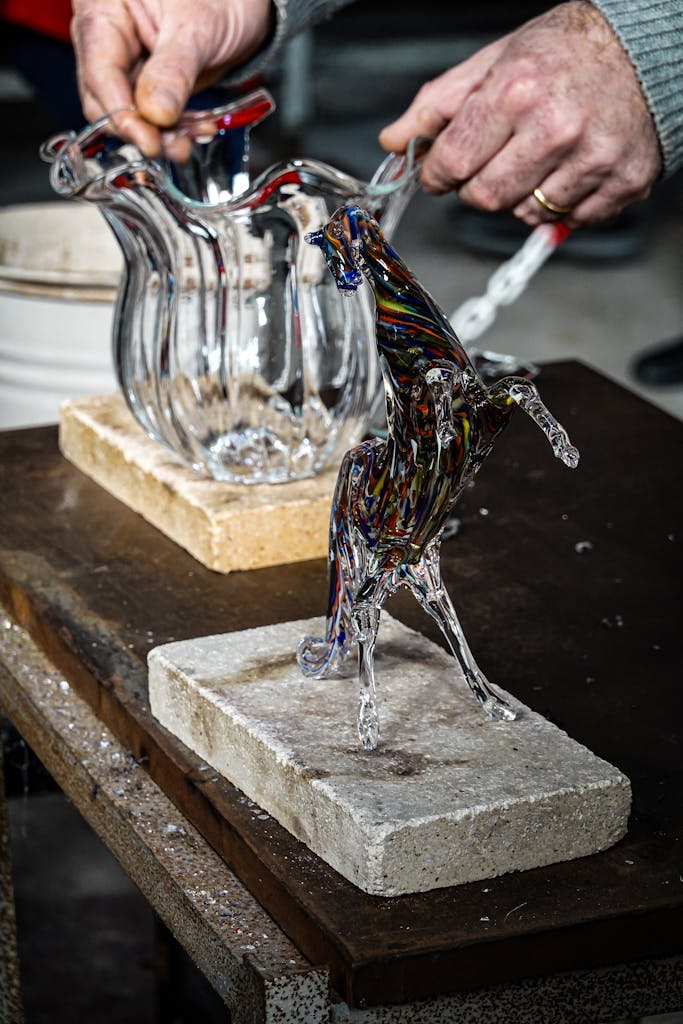
If you want handcrafted keepsakes, Murano glass and Burano lace are top choices. Buy them from reputable artisans on the islands or in city workshops. Look for authenticity markers like the Vetro Artistico Murano label on glass. Most shops accept cards, but carrying cash helps at smaller market stalls. Some boutiques may close during mid-afternoon or on certain days of the week.
Would we do Venice via Trieste again?
Yes, and we’d do it with the same strategy.
Even though docking in Trieste means you’re not stepping directly into Venice, the trade-off is that you can still enjoy Venice more intentionally. With the right transfer plan and a hotel that reduces friction, it becomes a smooth experience instead of a stressful one.
For Daniel and me, Hilton Molino Stucky was the key. The breakfast buffet started our days off right, the Giudecca location gave us breathing room, and the shuttle boat made Venice feel accessible without constant planning.
If you’re cruising and see “Venice (Trieste)” on your itinerary, don’t panic. Plan the transfer, choose your hotel wisely, and you can still have an unforgettable Venice experience.
-
Ephesus Turkey Cruise Port: Things to Do in Ephesus
Explore Ephesus, a cruise port attraction! Top things to do in Ephesus with our comprehensive guide for an unforgettable experience.
-
Rhodes Ancient Greece: What to do in Rhodes
Step into the past and uncover the secrets of Rhodes Ancient Greece, where hidden treasures and untold stories await your discovery.
-
Korcula Cruise Port: Everything You Need to Know
Discover the hidden gems of Korcula Cruise Port! Uncover breathtaking sights, delicious cuisine, and alluring activities.
-
Oosterdam Cruise Reviews : Mediterranean Cruise with Holland America
Unforgettable Mediterranean cruise! Read Oosterdam Cruise Reviews and find out why this Holland America cruise is so amazing.