Acropolis Museum Athens: What to Know Before You Go
Insider tips, history, and what we learned after spending three hours exploring one of Athens’ most important cultural sites, the Acropolis Museum in Athens.
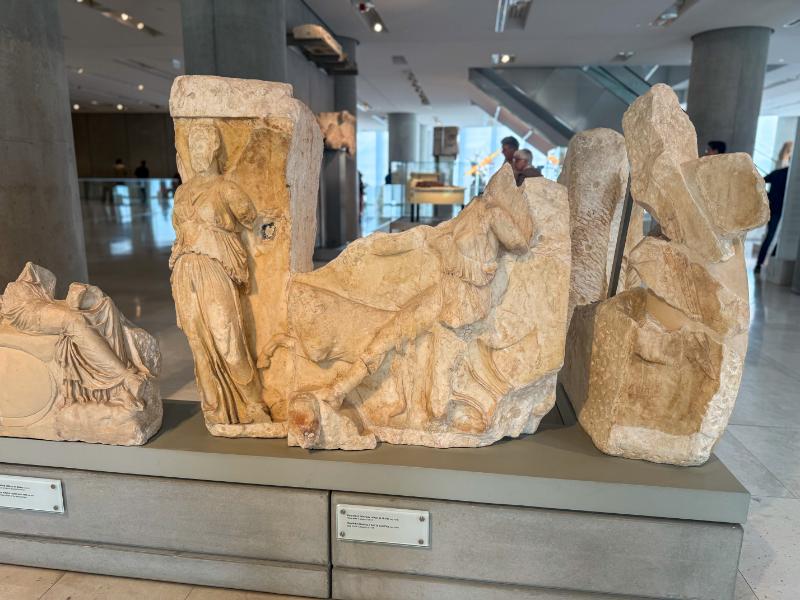
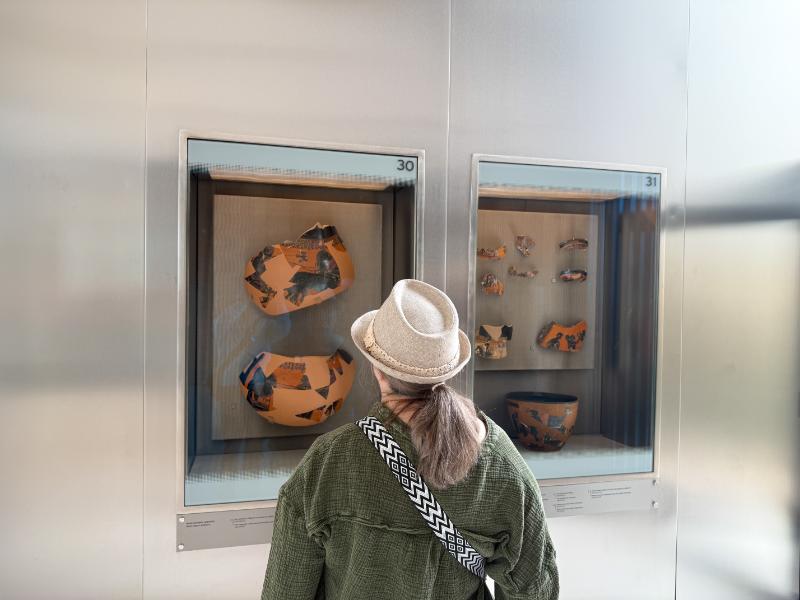
Acropolis Museum
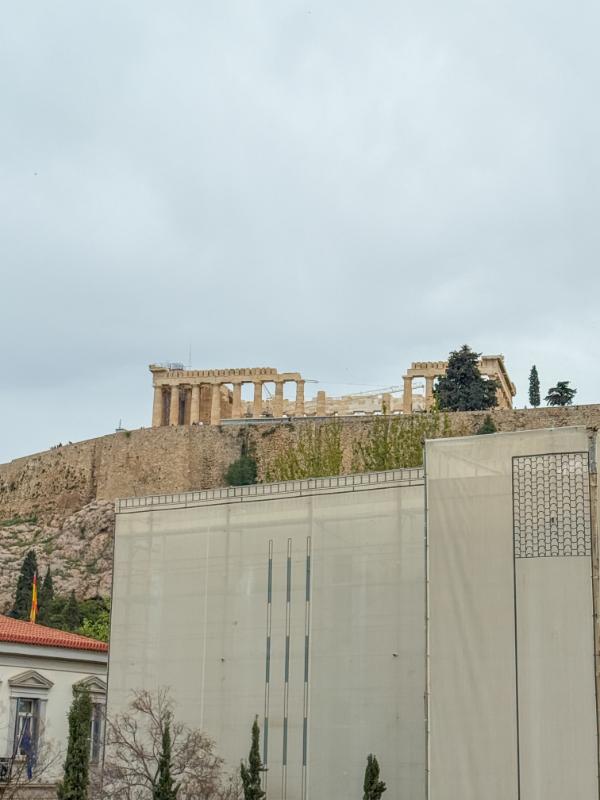
The Acropolis Museum in Athens is not just a museum you “fit in”—it’s one of those places that completely transforms how you experience the Acropolis itself. Built to house the extraordinary finds from the nearby Acropolis of Athens, the museum itself feels like an extension of the ancient site rather than a separate attraction. Opened in 2009, it was designed with glass floors, natural light, and clean lines to keep the focus on the artifacts, while constantly reminding you of their original setting just up the hill. Pairing the museum with the actual Acropolis site makes everything click.
We spent just over three hours here, including exploring the excavation site afterward. By the time we left, we had taken over 100 photos—and what you’re seeing here is just a small sampling of everything we experienced. Follow our Facebook page for more photos.
This museum is beautifully curated, incredibly immersive, and—if you do it right—one of the most meaningful stops in Athens.
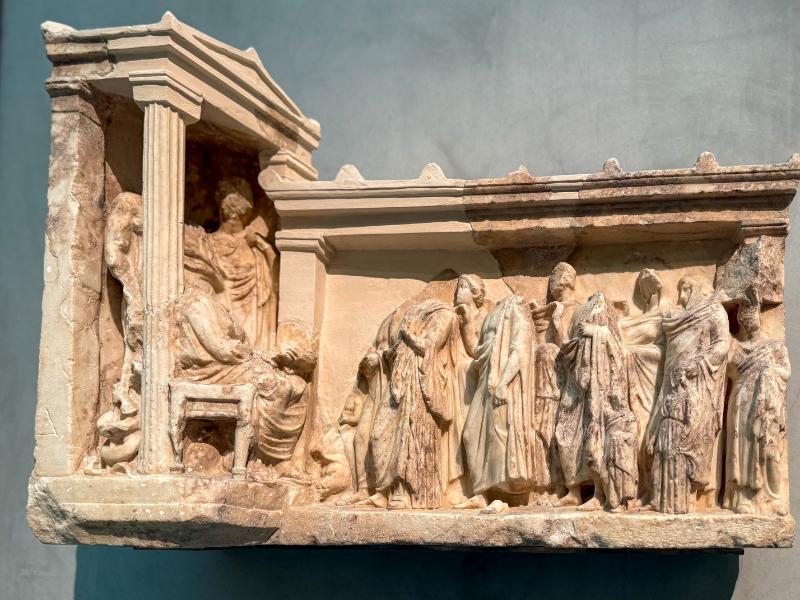
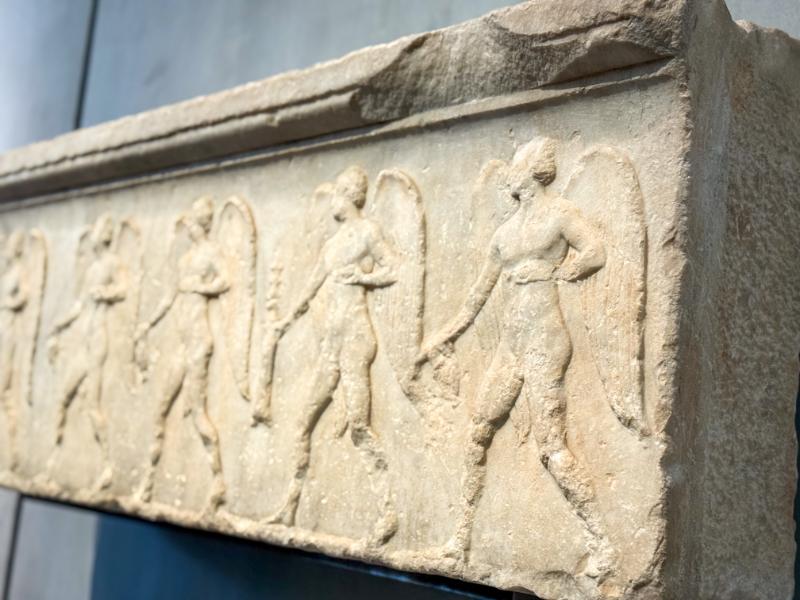
Why the Acropolis Museum Matters
To truly appreciate this museum, it helps to understand what you’re looking at.
The Acropolis Museum houses artifacts found directly on the Acropolis, many dating back to the 5th century BC, during the height of Athens’ Golden Age. This was the era of Pericles, when Athens became a powerful cultural and intellectual center, and when iconic structures like the Parthenon were built.
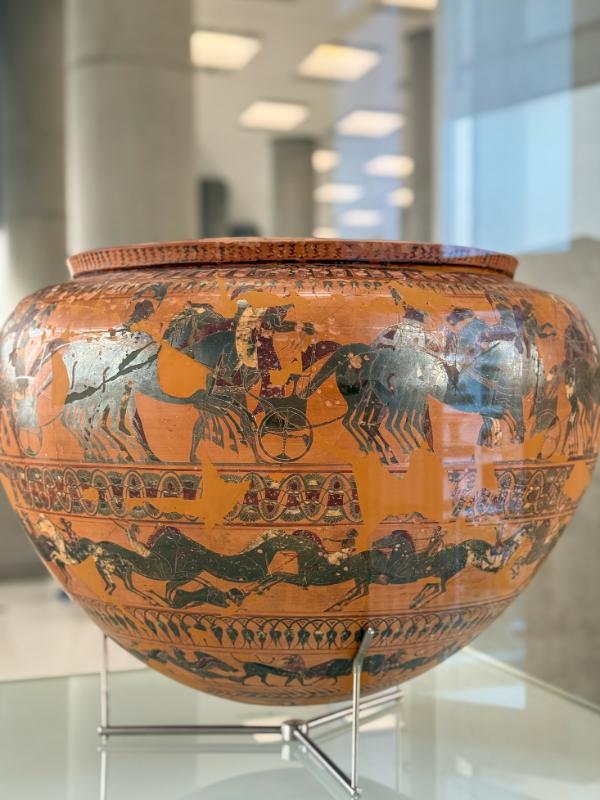
What makes this museum so powerful is that it doesn’t just display artifacts—it connects them to their original context.
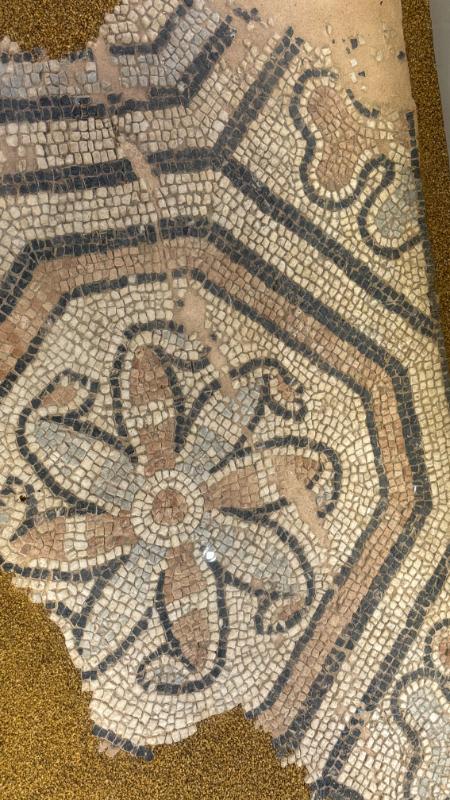
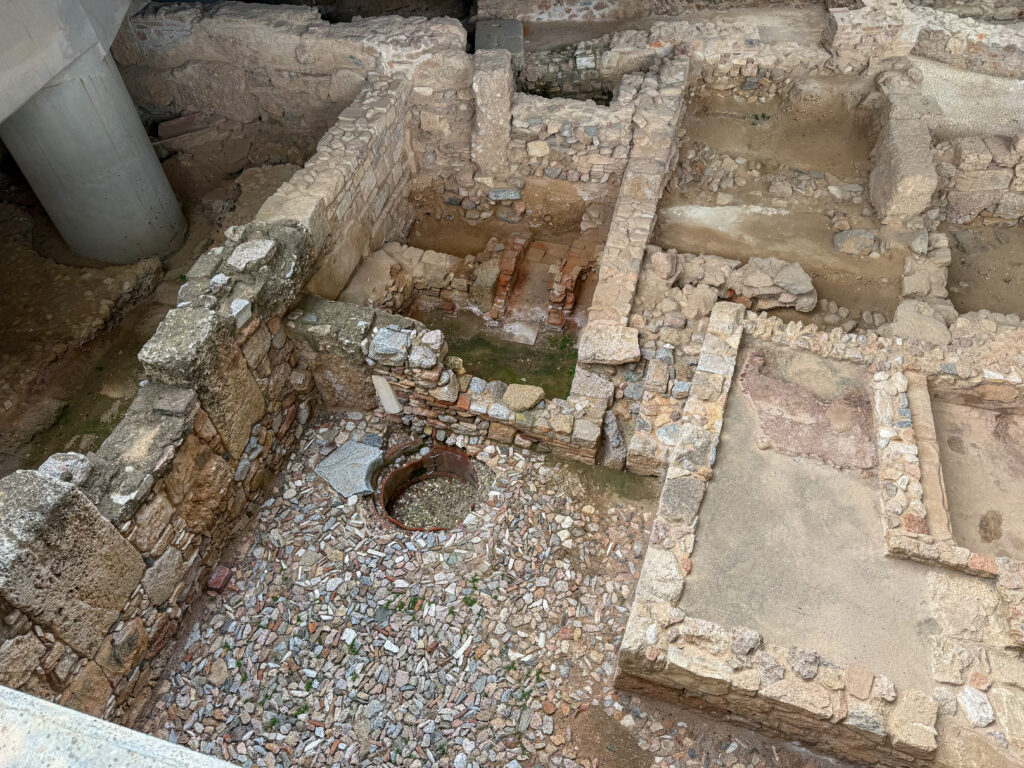
You’re not just looking at pieces of history. You’re standing just below where they were originally used, displayed, and lived among. The mosaic floor shown is from the Byzantine Period and dates to AD 450-500.
Go Early and Give Yourself Time
If there’s one thing I would strongly recommend, it’s this—go early.
The Acropolis Museum is one of the most visited sites in Athens, and it fills up quickly. Getting there earlier in the day allows you to move more freely, take your time, and really absorb the exhibits without feeling rushed.
Plan for at least 2–3 hours if you want to do it justice. This is not a quick walkthrough—it’s a place to slow down, read, observe, and take it all in. Even though it’s indoors, the museum is large and involves a lot of walking and standing. Wear comfortable shoes.
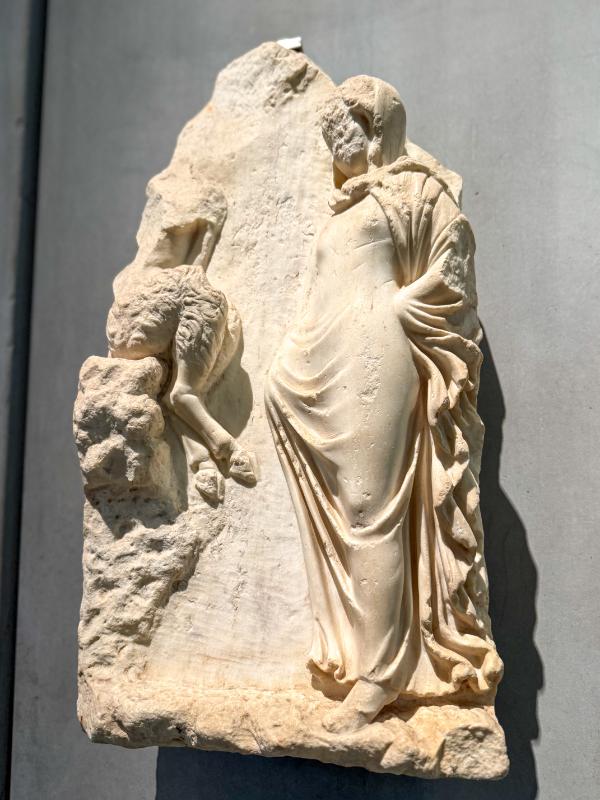
What to Know about the Acropolis Museum Before You Enter
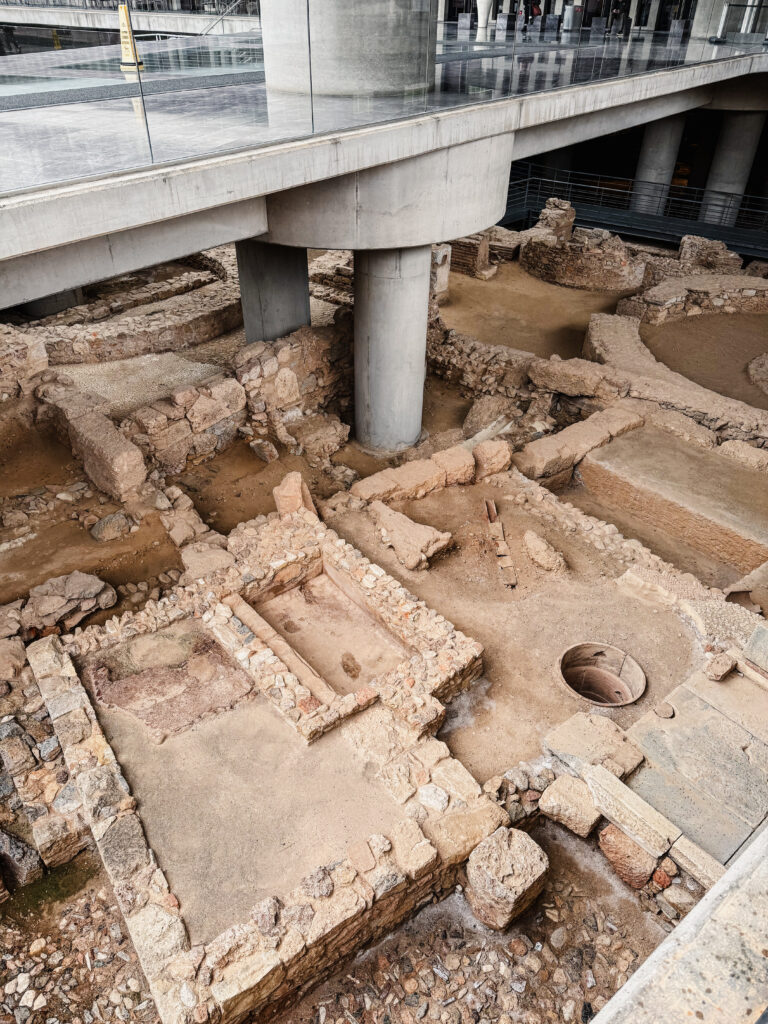
Right at the entrance, there’s a glass floor revealing ancient ruins beneath the museum. Many people walk right past it—don’t. It’s a unique way to see an archaeological site integrated into the building.
The museum offers helpful services like an information desk, maps, and accessibility features such as ramps, elevators, and wheelchairs. Families can borrow strollers and backpacks, use a parents’ room, and enjoy kids’ activities and audio guides.
Visitors can join gallery talks, relax in the reading lounge, or explore digital exhibits. The artifacts are impressive, but context matters. A guide (or even just an audio guide) helps you understand what you’re looking at, especially the stories behind the sculptures.
To protect the museum, store large bags, don’t touch exhibits, avoid food and drinks, and keep phones on silent while inside. This is one of those small details that can make a big difference in your visit.
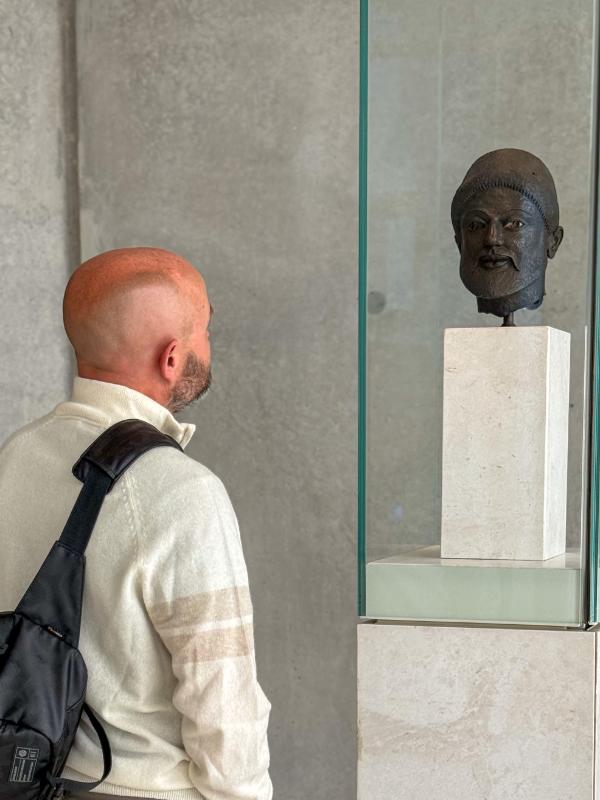
The first floor can get surprisingly warm, especially as crowds build throughout the day. Before you go through the ticketed entrance, there is an opportunity to grab bottled water. Take advantage of it. It’s one of those simple things that can make your experience much more comfortable, especially if you’re coming in after walking around Athens. If you happen to miss it, don’t worry—you’re not out of luck.
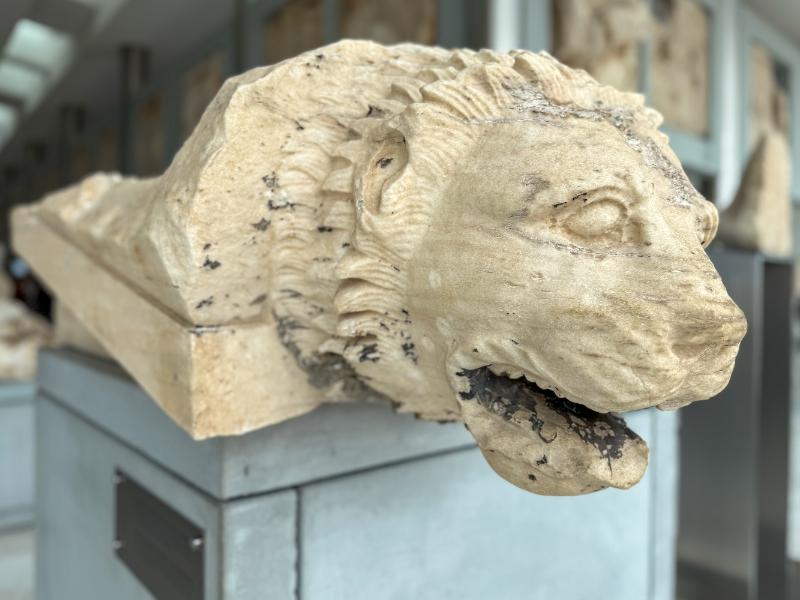
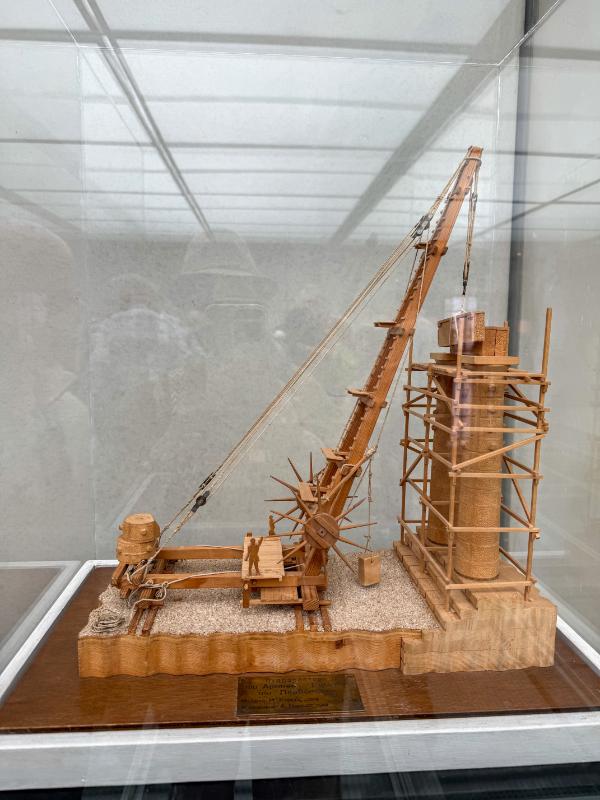
The Café Strategy Most People Miss
The museum café has a terrace with a direct view of the Acropolis. It’s not just a convenience stop—it’s actually one of the best viewpoints in the area. It is located on the second floor, where you can grab bottled water or sit down for a meal. But here’s the insider tip that will save you time: If you’re only getting bottled water, go straight to the bar to order instead of waiting in the main line. It’s much quicker, and you will have the bonus of spending more time on the terrace enjoying the view!
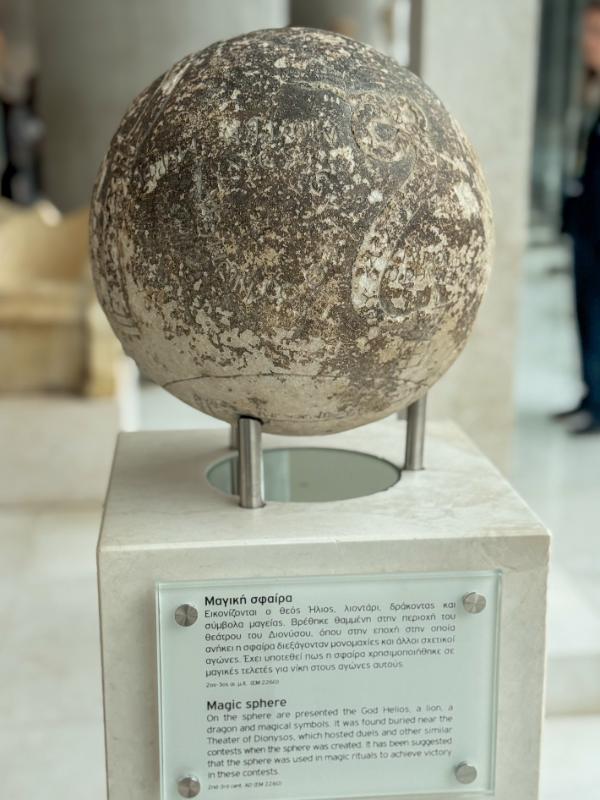
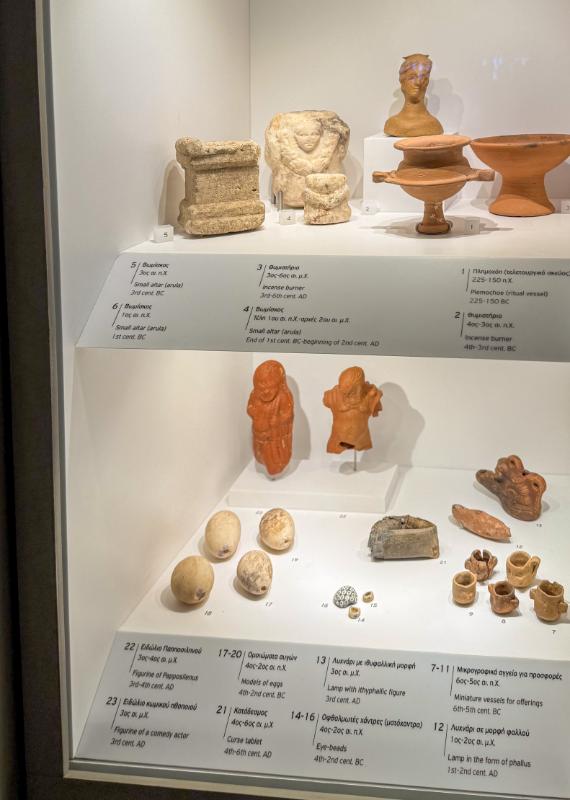
Don’t Lose Your Ticket
This is something that catches people off guard. If you stop at the café and then re-enter the museum, you may be asked to show your ticket again.
It’s a small detail, but important—keep your ticket somewhere easily accessible so you’re not digging through your bag or pockets when you’re trying to get back inside.
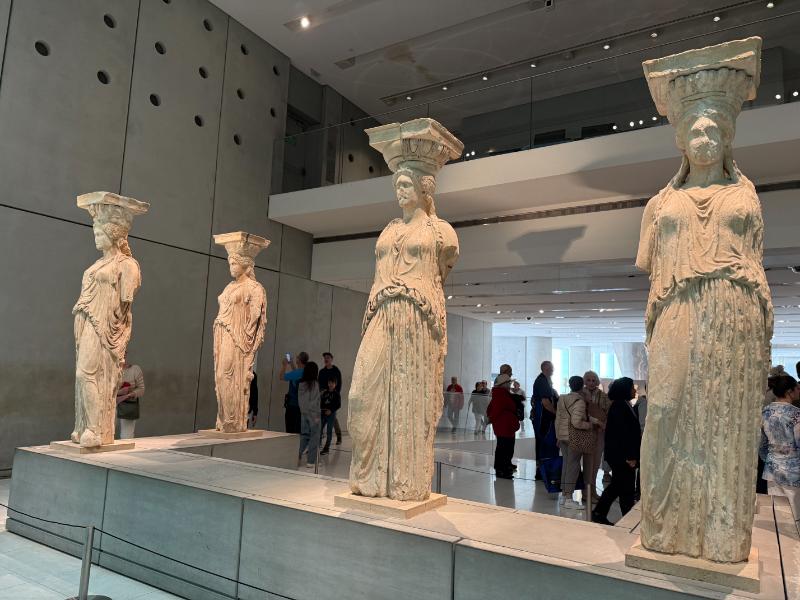
Photography Rules to Be Aware Of
If you’re like us, you’ll want to take photos—and trust me, there’s a lot worth capturing. However, certain first-floor areas prohibit photography. Signs mark these zones, so stay mindful and avoid taking photos in restricted spaces. Photos are allowed in most areas (no flash), but the lighting can be tricky. If you want good shots, focus on natural light areas like the upper floors.
We took over 100 photos during our visit, and even then, it felt like we were just scratching the surface.
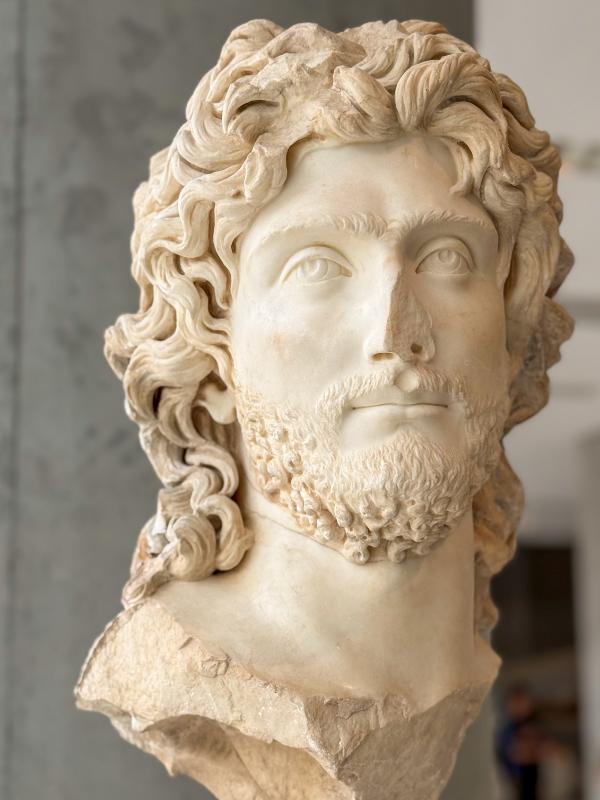
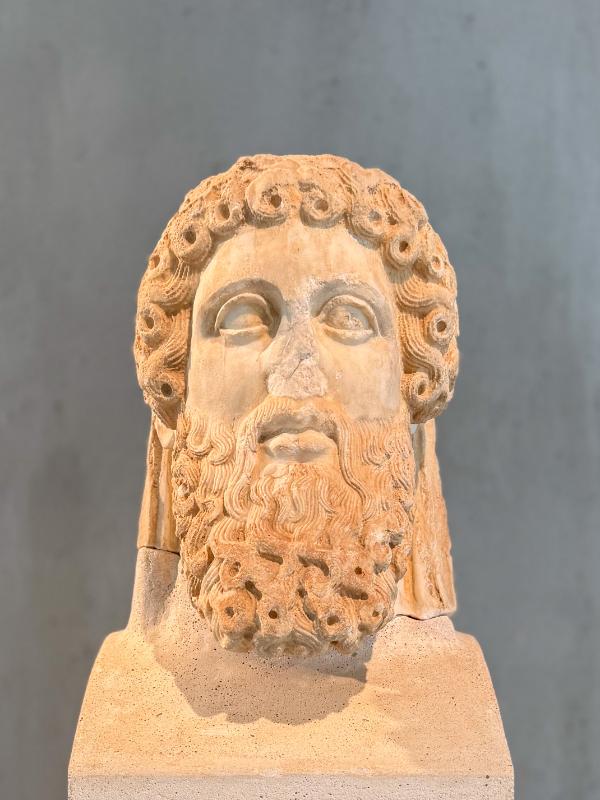
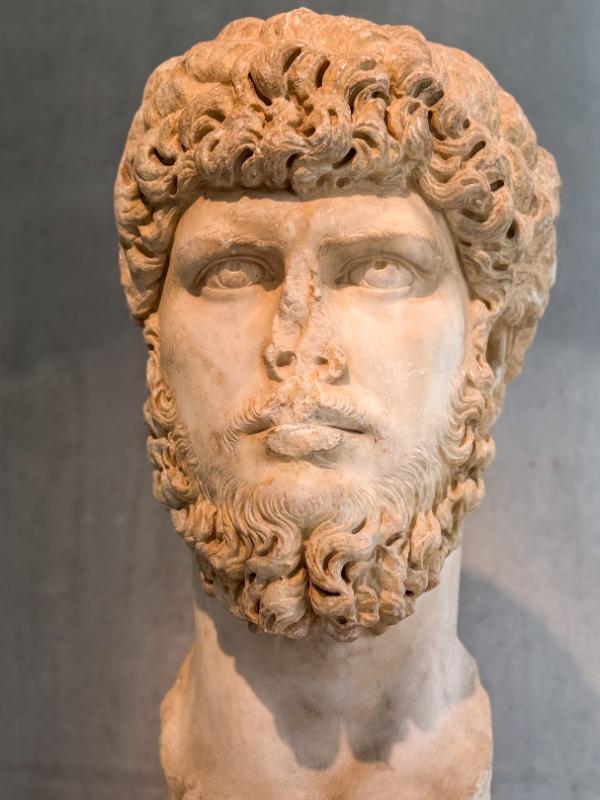
What Makes This Museum So Impressive
The museum uses an intentional, well-designed layout. As you move through the space, it guides you through different periods of Athenian history. You encounter artifacts ranging from early sculptures to detailed friezes and Parthenon architecture. One striking element is how each section builds toward the top floor.
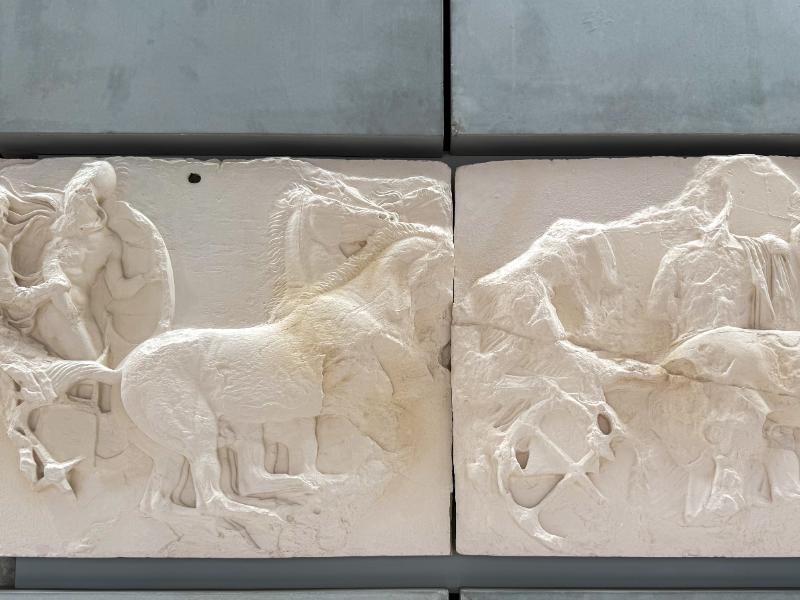
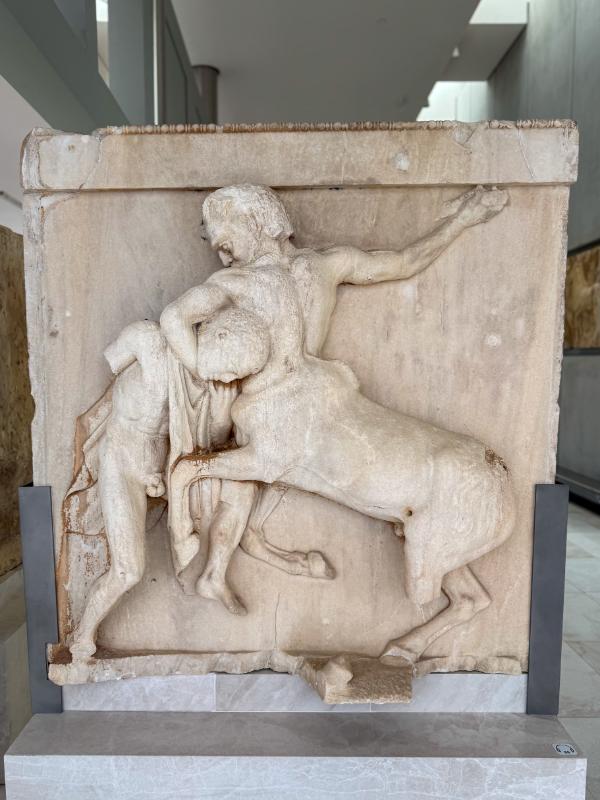
The Top Floor Experience
The top floor is where everything comes together. Designed to mirror the Parthenon itself, this space aligns with the actual structure on the Acropolis. As you walk through, you’ll see original sculptures displayed alongside casts of pieces that are no longer in Greece.
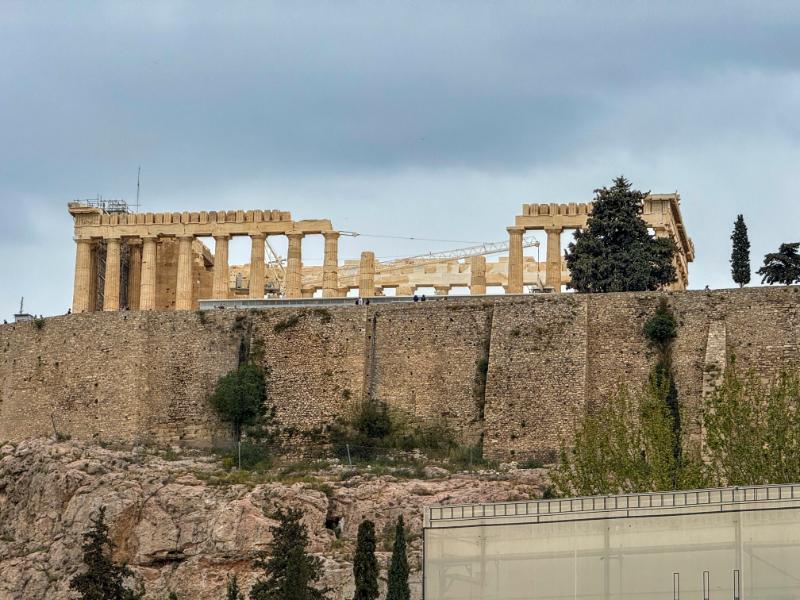
And just beyond the glass walls, you can see the Acropolis standing above the city. It’s one of those moments where history doesn’t feel distant—it feels connected, immediate, and real.

Don’t Skip What’s Outside
When you leave the museum, don’t rush off. Instead, take the walkway to the left side of the building. This will lead you to an active excavation site where you can see ancient ruins up close.
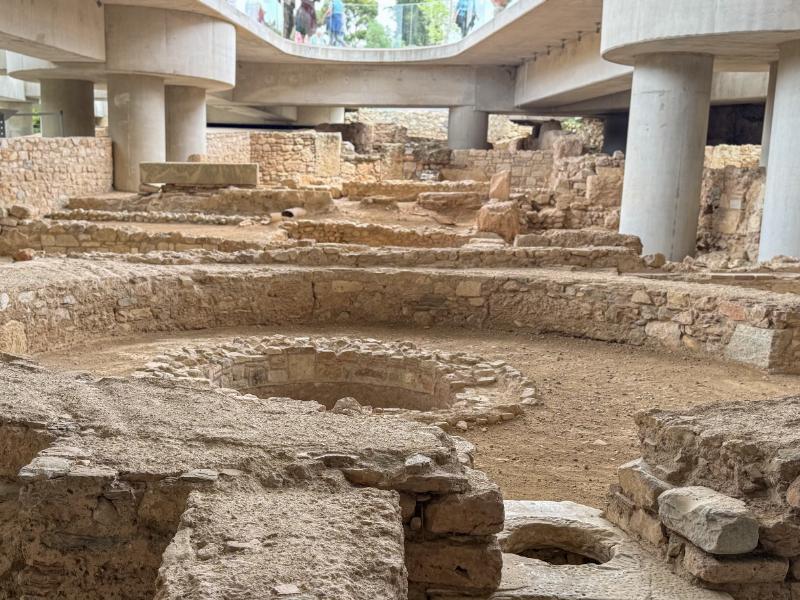
It’s an incredible way to end your visit—seeing the actual foundations of ancient Athens beneath your feet adds another layer of depth to everything you’ve just experienced inside.
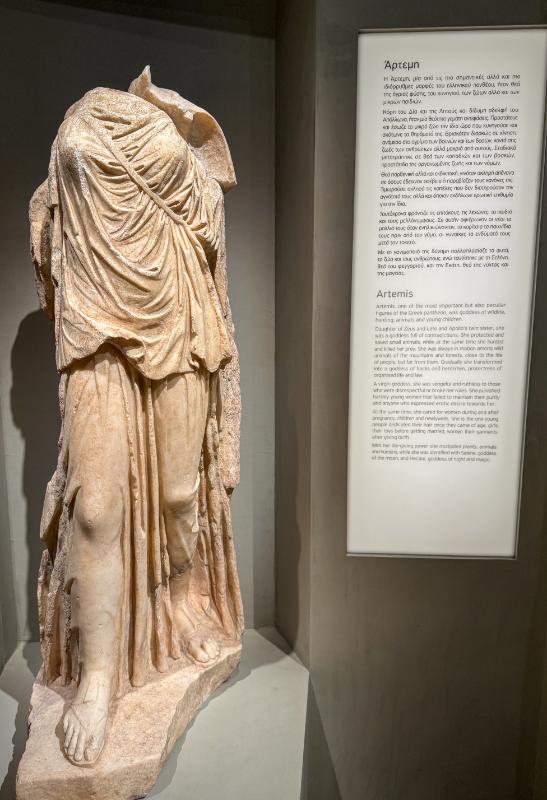
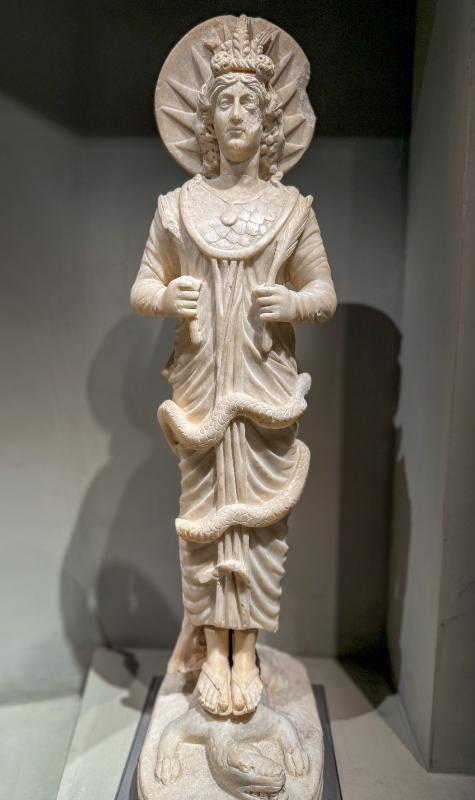
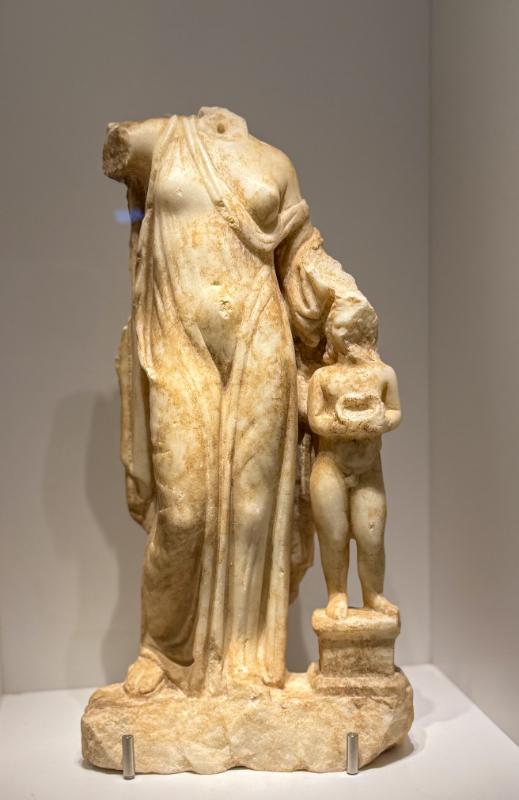
Final Thoughts on Visiting the Acropolis Museum in Athens
The Acropolis Museum is more than just a collection of artifacts—it’s the bridge between ancient Athens and what you see standing today. One of the most memorable aspects is how the museum tells a story, not just displays objects. As you move upward through the galleries, you’re essentially retracing the path to the Acropolis, culminating in the stunning Parthenon Gallery. Here, the sculptures from the Parthenon are arranged in their original sequence, making it much easier to visualize how the temple once looked and functioned.
With a little planning—arriving early, staying hydrated, and giving yourself enough time—you can turn this into one of the most impactful experiences of your trip.
If you’re anything like us, you’ll fill your camera roll, gain a deeper appreciation for Greek history, and feel like you stepped into a story still unfolding—rather than simply visiting a museum. What surprised us most was how modern and accessible everything felt. Even if you’re not deeply into history, the layout, lighting, and storytelling make it engaging without being overwhelming.
-
13 Best Halloween Campgrounds for a Spooky Family Trip
These Halloween events at KOA campgrounds create a safe, festive space for kids to celebrate while families savor campfire meals, share cozy fall treats, and enjoy quality time outdoors together.
-
A Girls’ Getaway & Retreat in Sulphur, Oklahoma
Join us for a girls getaway & retreat in Sulphur, Oklahoma, as the Consumer Queen team enjoys good food, shopping, spa treatments, and time together. From The Artesian Hotel and Spa to local restaurants and shops, we found plenty to enjoy while mixing business with a relaxing weekend away.
-
America’s 250th Celebration Continues at Mount Vernon: Fall Festivals, Colonial Markets, Wine Weekends & Halloween Fun
America’s 250th Celebration continues at George Washington’s Mount Vernon with a full season of fall events, hands‑on history, and family activities. Visitors can explore the Colonial Market & Fair, enjoy 18th‑century demonstrations, take part in special programs at the Presidential Library, and celebrate Halloween across the historic estate. Mount Vernon brings the past to life with crafts, tours, storytelling, and immersive experiences that highlight the people and stories that shaped America.
-
A Perfect Dingle Peninsula Day: Dunquin Pier & Baby Lambs
A perfect Dingle Peninsula itinerary with Dunquin Pier, baby lambs, food stops, and an overnight stay in Dingle.
-
Summer’s Final Stretch: Celebrating Parks, Community, and Legacy
Summer may be winding down, but there’s still plenty of time to make memories and celebrate the parks you love. Warm days, long evenings, and wide‑open trails make this a great moment to get outside. Whether you’re chasing big adventures or enjoying quiet time in nature, these places have a way of keeping us grounded as the season slowly shifts.
-
South Wales Scenic Road Trip: Castles, Coastal Views, and Hidden Gems
South Wales road trip featuring castles, scenic coastal drives, stunning beaches, and great food and hotel recommendations for travelers.