5 Days in Rome: Our First-Timer Itinerary with Day Trips
Rome is one of those cities that can feel overwhelming in the best and worst ways. There is history everywhere, crowds are constant, and it’s easy to overplan. Daniel and I spent 5 days in Rome, and what made the trip work was the balance. We mixed big sightseeing days with slower moments, planned day trips outside the city, and left room to wander without an agenda.
This 5-day itinerary in Rome reflects what worked for us and what we’d recommend to anyone visiting Rome for the first time.
Before You Go: Rome Travel Tips We’re Glad We Knew to Spend 5 days in Rome
Rome travel takes a little planning. Sundays and Mondays are especially busy, and the Vatican is closed on Mondays. The last Sunday of each month offers free museum entry, but crowds are huge, so booking activities in advance is highly recommended.
From the airport, the Leonardo Express train is the easiest option—about €14 per person and 30 minutes into the city. Buy tickets at the train office instead of kiosks for a smoother experience. Taxis usually cost around €50.
Rome is mostly contactless, but carrying about €100 cash is helpful for small eateries. Use a travel card to avoid poor exchange rates, and tap your card or phone directly on buses and metro turnstiles instead of buying tickets. We never had to use cash while we were there, but it doesn’t mean you won’t.
To avoid taxi scams, use FreeNow or IT Taxi. Walking is often the fastest and best way to explore. We also recommend setting up an eSIM before landing. If you have T-Mobile, we found that their international plan was pretty good, but using maps can eat up a lot of data. When looking at e-sims, we still found that adding to our T-Mobile international plan was cheaper.
When visiting churches, women should cover their shoulders and knees to be respectful. Rome’s public fountains provide clean, cold drinking water for refills. Also note that tourists pay a nightly city tax, sometimes up to €10 per person. Bathrooms aren’t always clean, and they didn’t always have toilet paper, so I found carrying a pack of tissues and hand sanitizer was helpful.
Before You Go: Practical Rome Tips That Matter
Timing matters in Rome more than people realize. Sundays and Mondays can be chaotic, especially around religious sites. The Vatican is closed on Mondays, and the last Sunday of every month is a free museum day, which sounds great until you see the crowds. Booking activities in advance is essential.
When arriving in Rome, we recommend taking the Leonardo train from the airport. Skip the kiosks and buy your ticket directly from the train

Rome Lodging
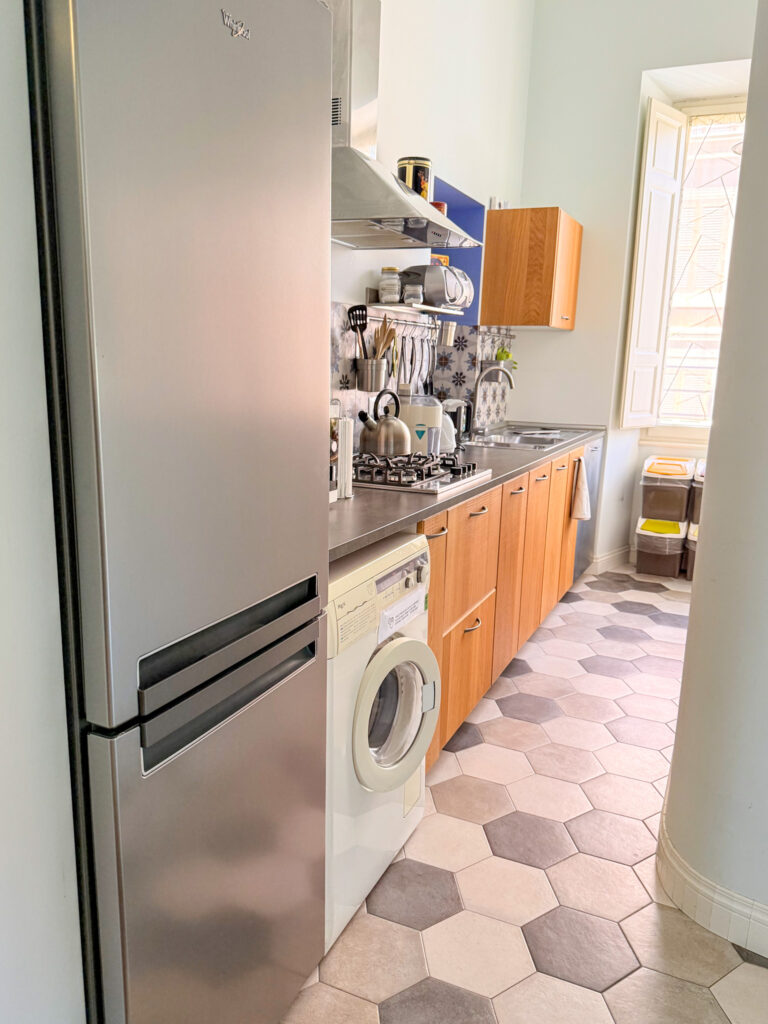
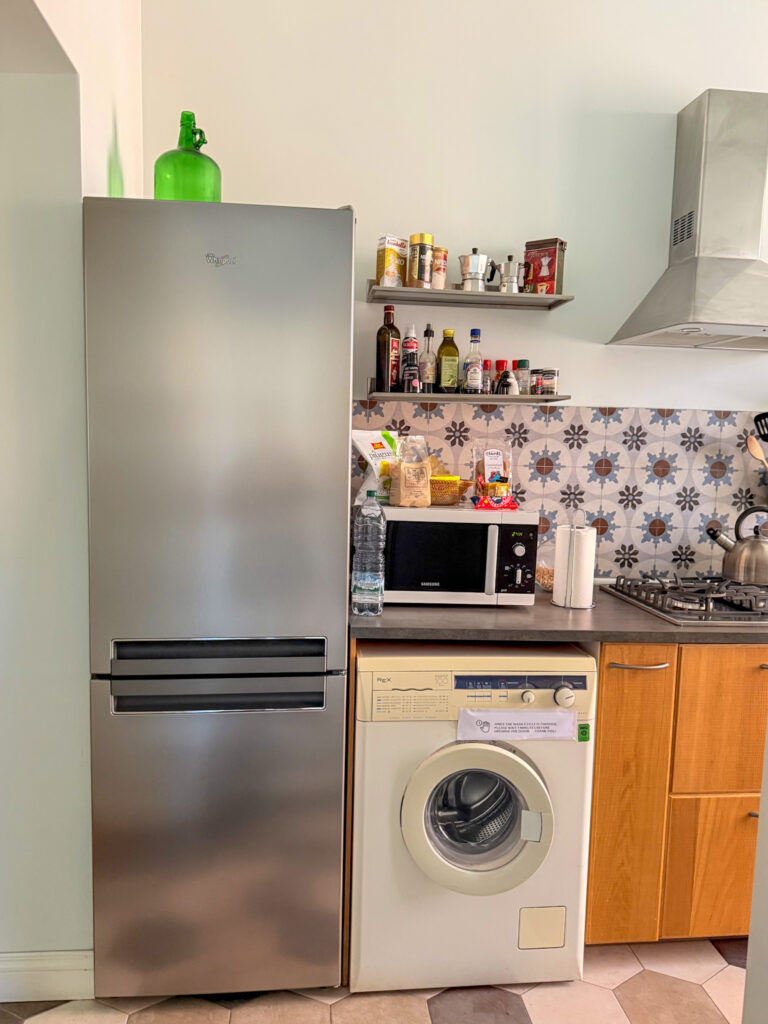
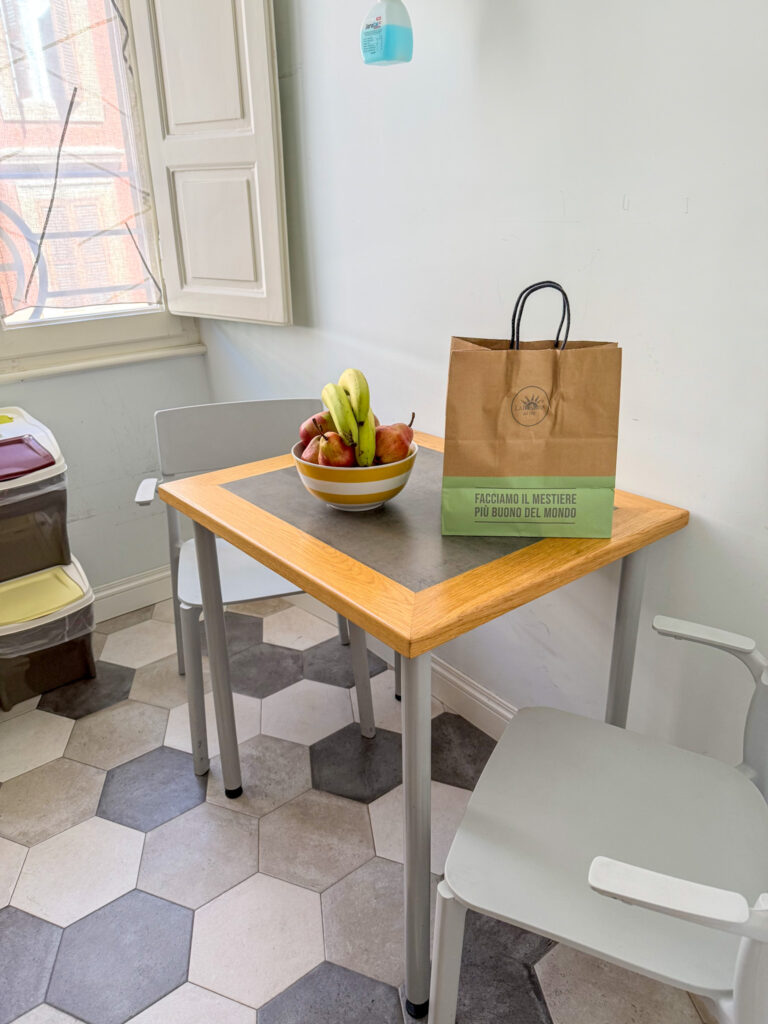
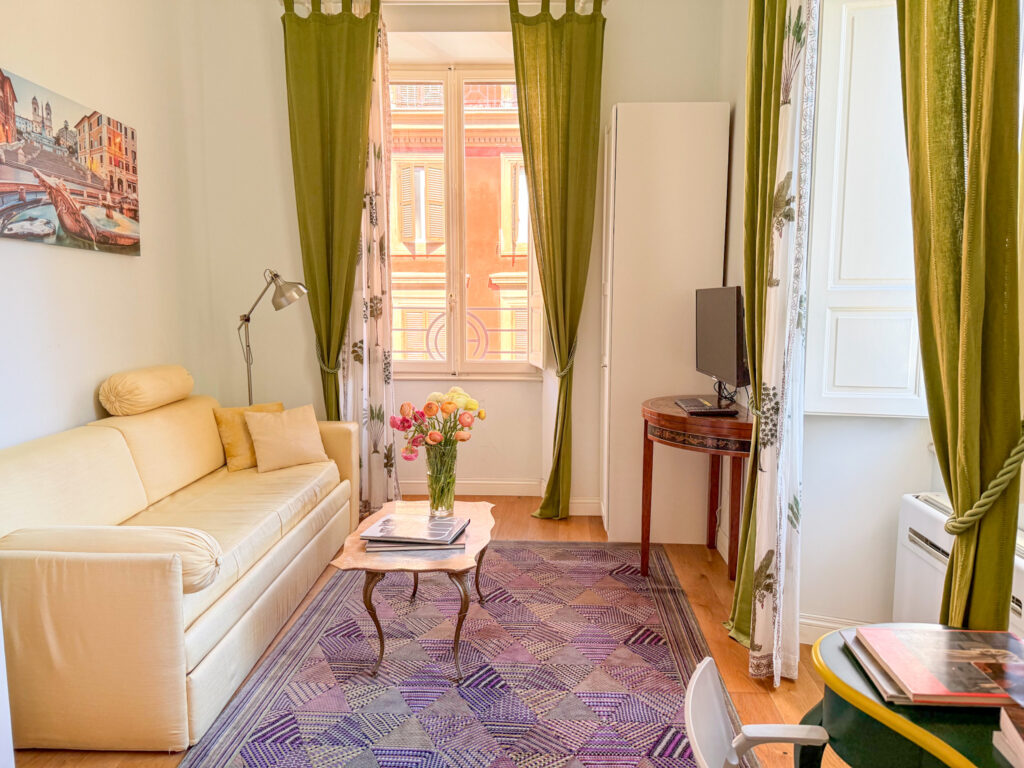
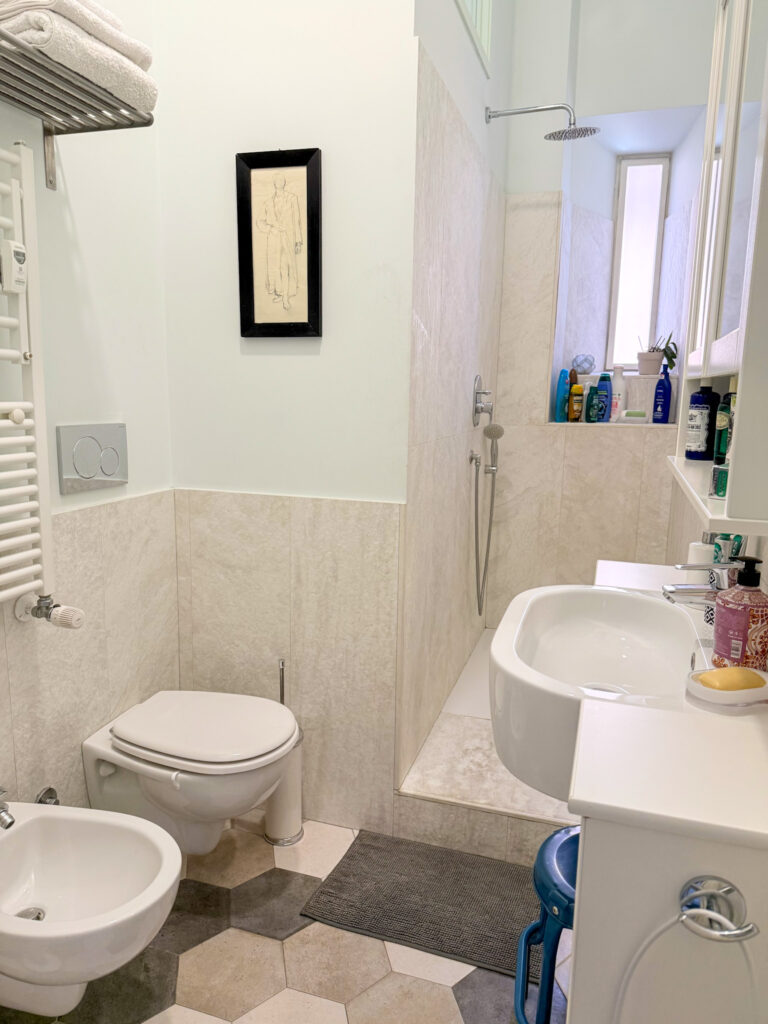
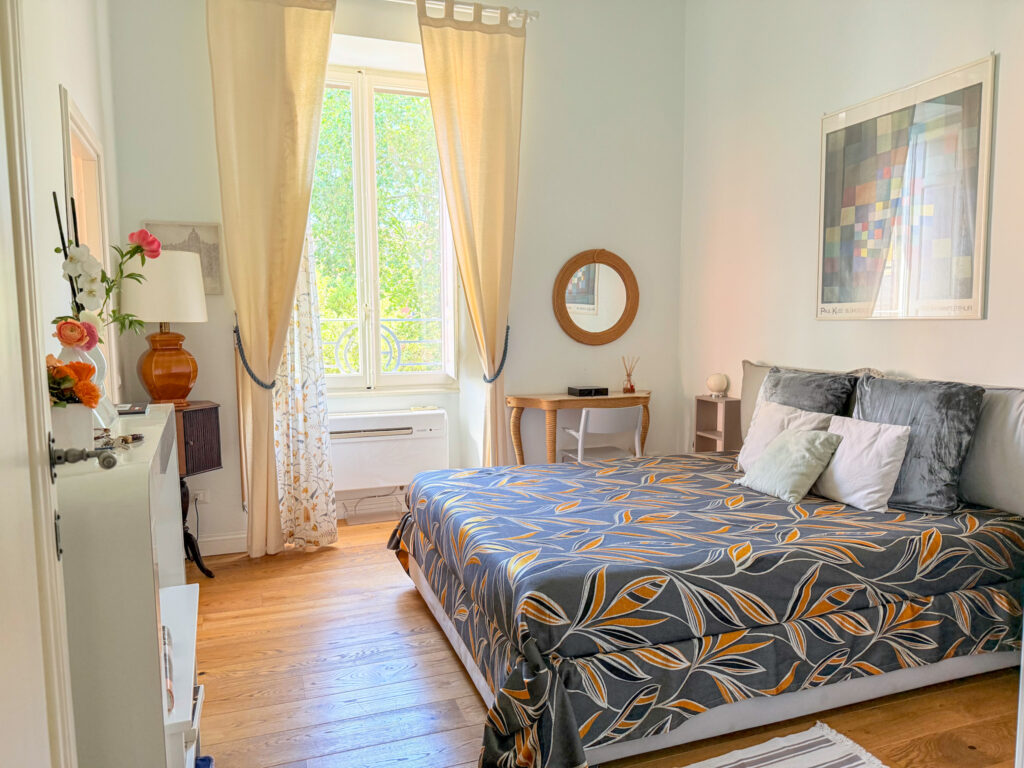
Where We Stayed for Our 5 Days in Rome
We stayed at AMOR VITAE Exclusive Charming House near Piazza Manfredo Fanti, which worked well for transportation and day trips.
Where you stay in Rome makes a difference:
- City Center has higher rates, but puts you close to everything
- Prati is near the Vatican, quieter, and often cheaper, but about 15 minutes farther from the historic center
- Monti is trendy, close to the Colosseum, and near the train station, though it’s opposite Vatican City
Day 1 of 5 days in Rome: Arrival, Shopping, and a Gentle Start
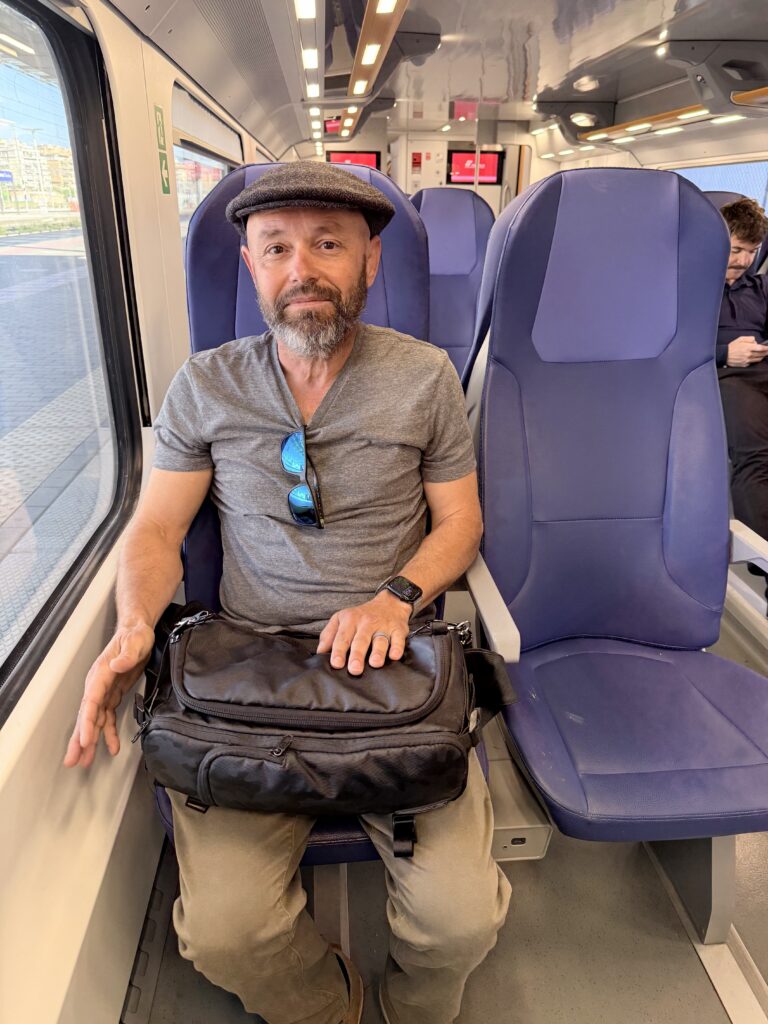
Daniel and I landed in Rome at 8:35 a.m., fueled by excitement and very little sleep. We took the Leonardo Express into the city, and buying tickets at the staffed counter made the process much easier. About 30 minutes later, we were watching Rome come to life outside the train windows.
We kept our first day light and headed straight to our Airbnb, AMOR VITAE Exclusive Charming House. Early check-in was a lifesaver. I started a load of laundry while Daniel opened the windows for fresh air—it was the perfect reset after a long flight. Most places accepted contactless cards, but having some cash was still helpful at smaller spots.
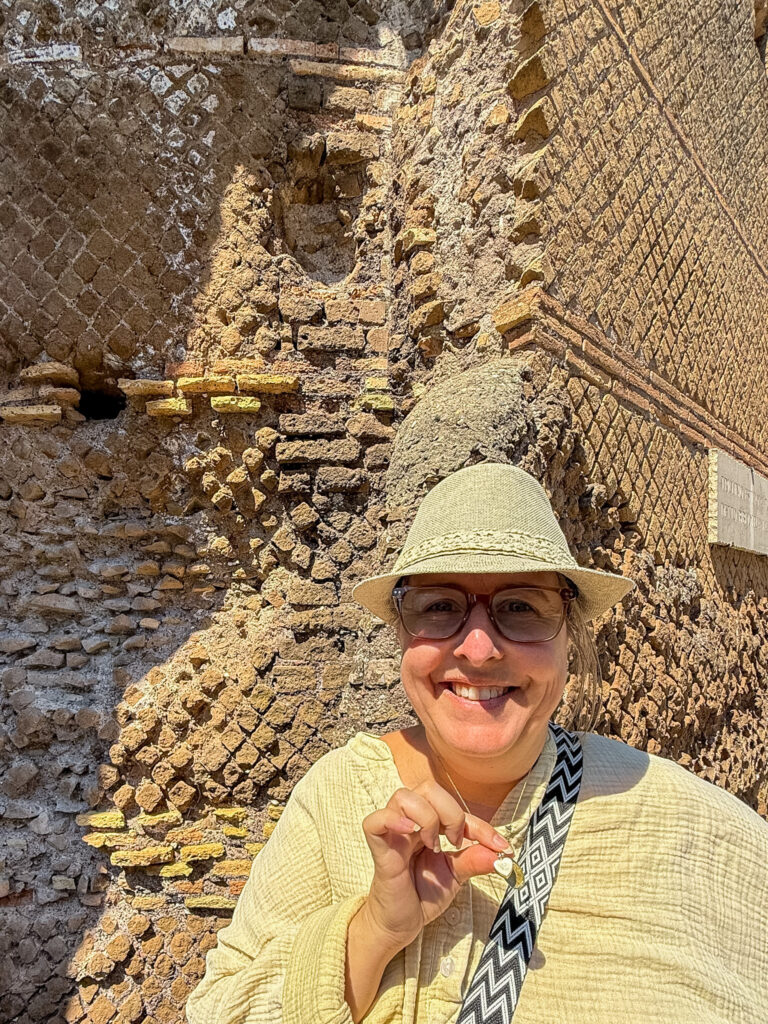
We really loved this place and our host was fantastic and he checked on us every day. The host also owns a gelato place in Rome that is delicious. From our window you could also see an old archaeological site.
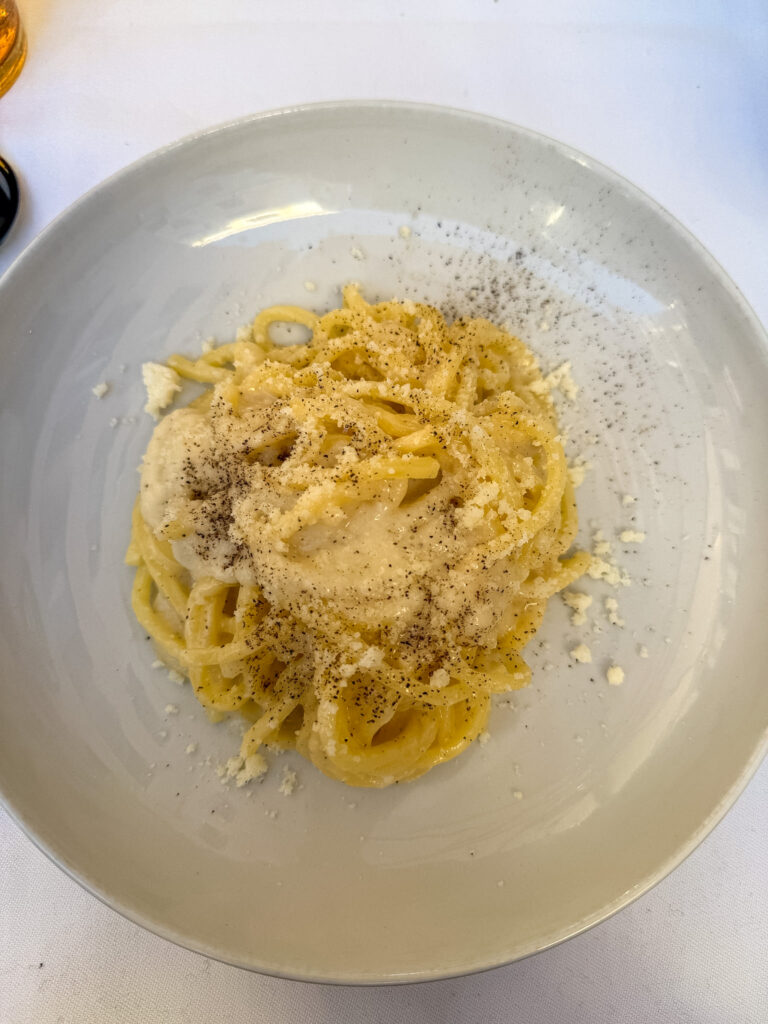
Lunch at Trattoria Da Enzo
For lunch, we walked to Trattoria Da Enzo, knowing there would be a line. We arrived early and honestly we didn’t have to wait long, and it was completely worth it. I ordered the cacio e pepe, and it was simple, creamy, and unforgettable. One thing I learned quickly is that the best food in Rome often requires patience, so it’s worth planning ahead or arriving early. We also learned that the earlier you decide to eat the better.
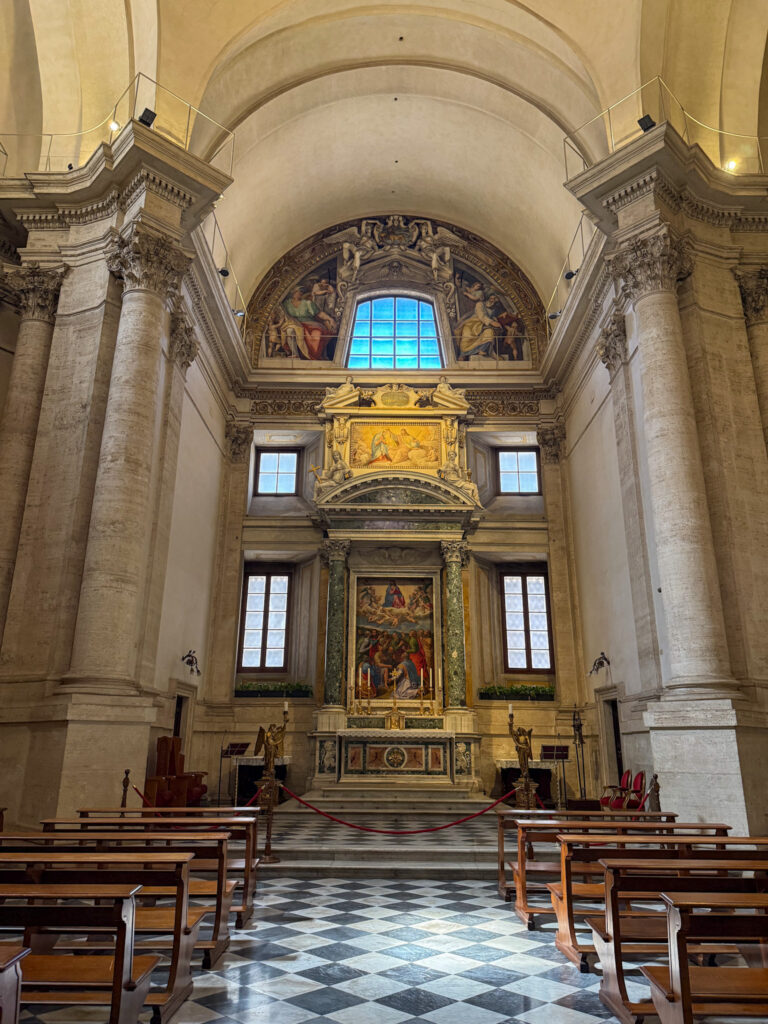
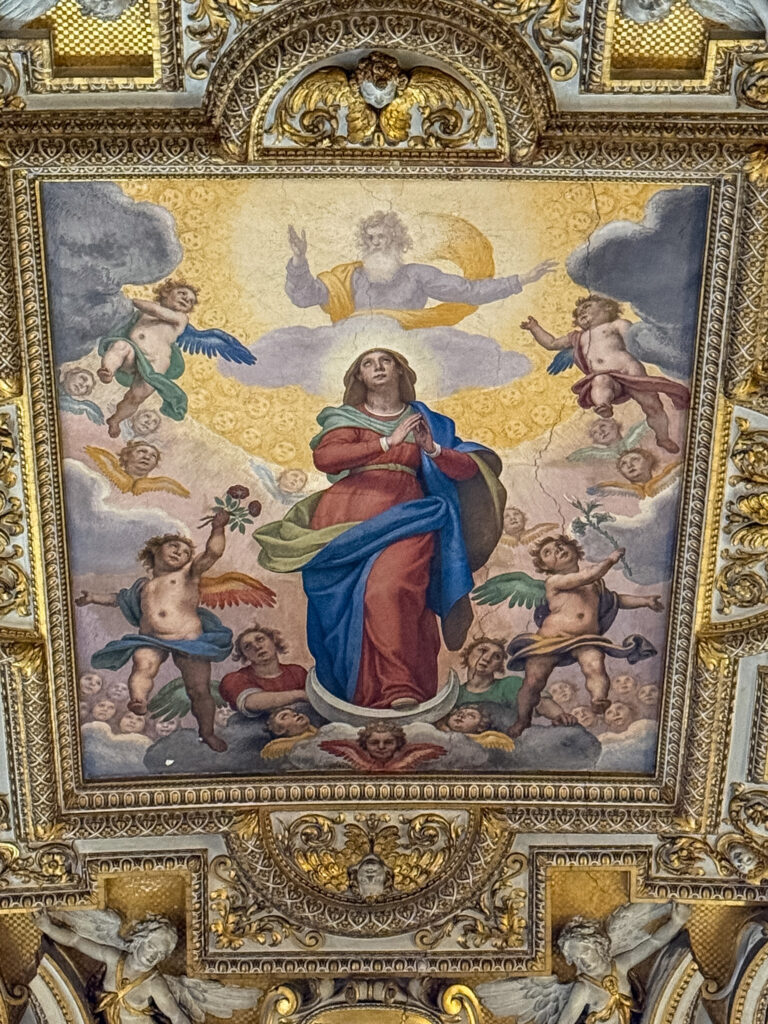
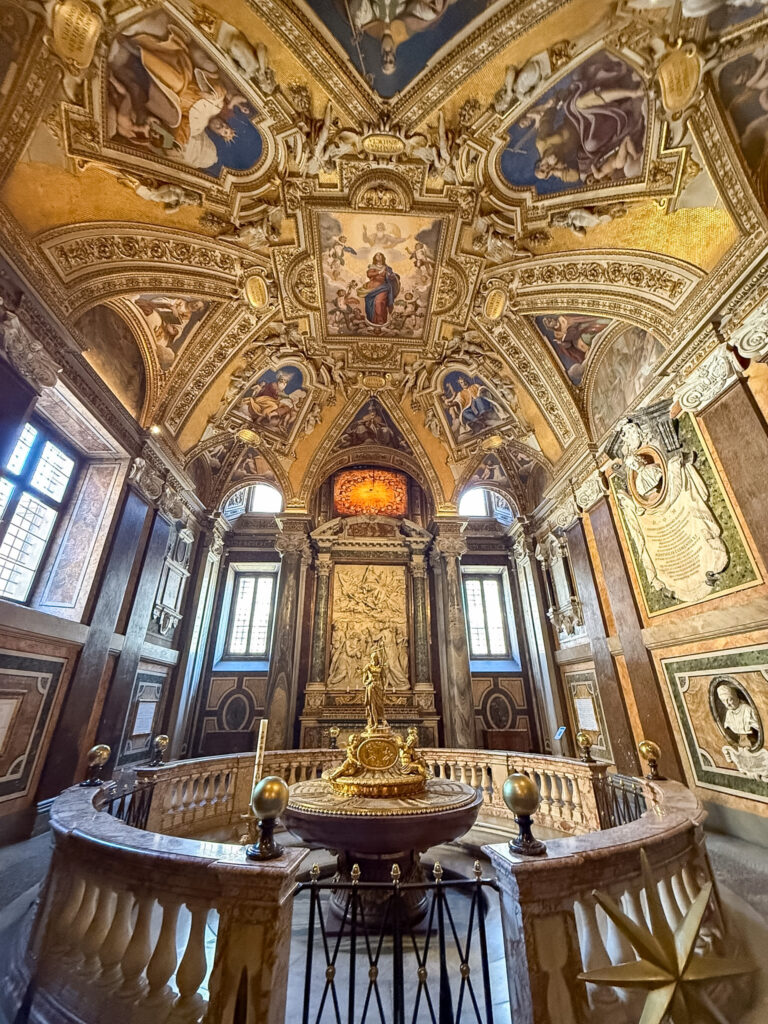
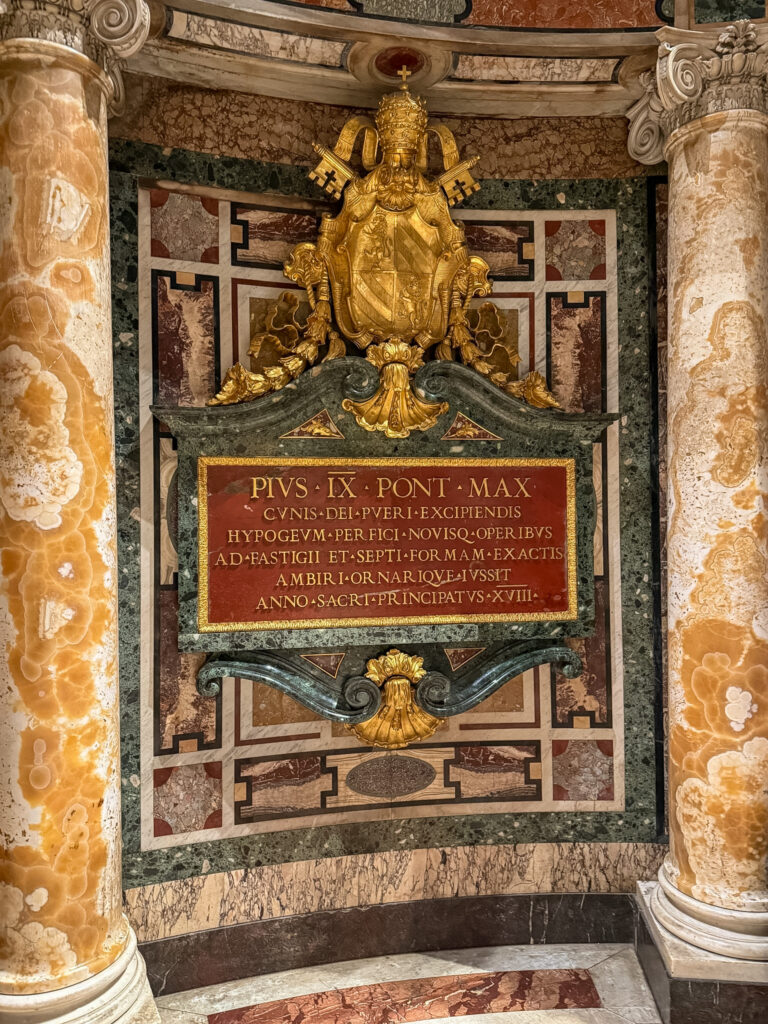
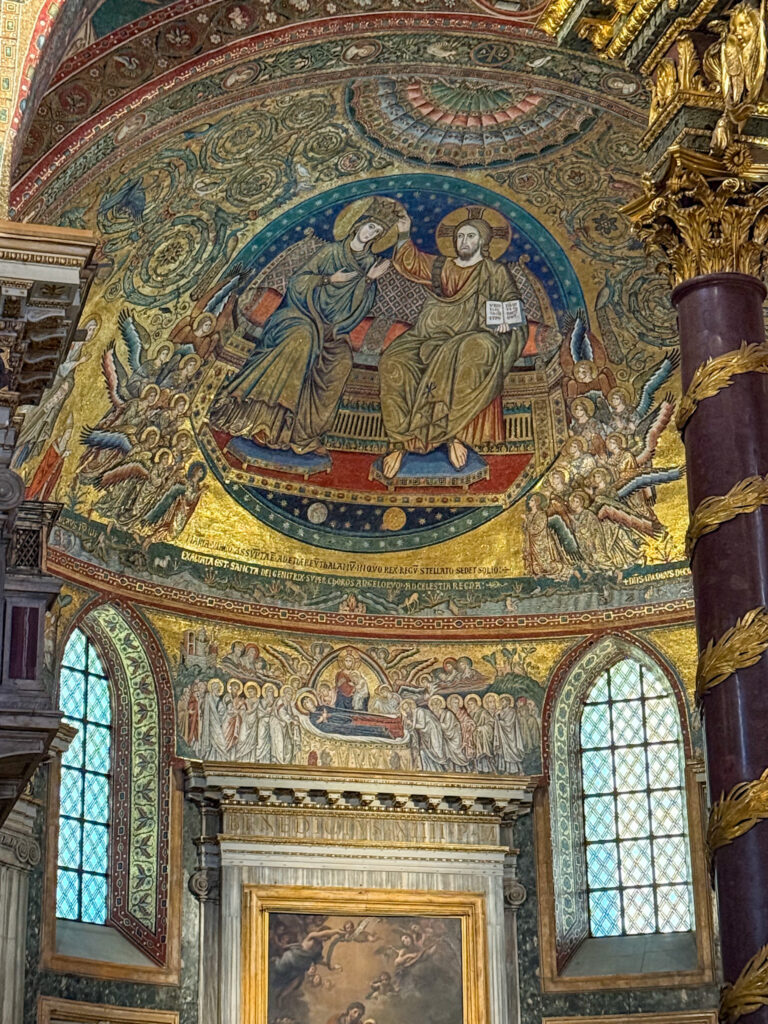
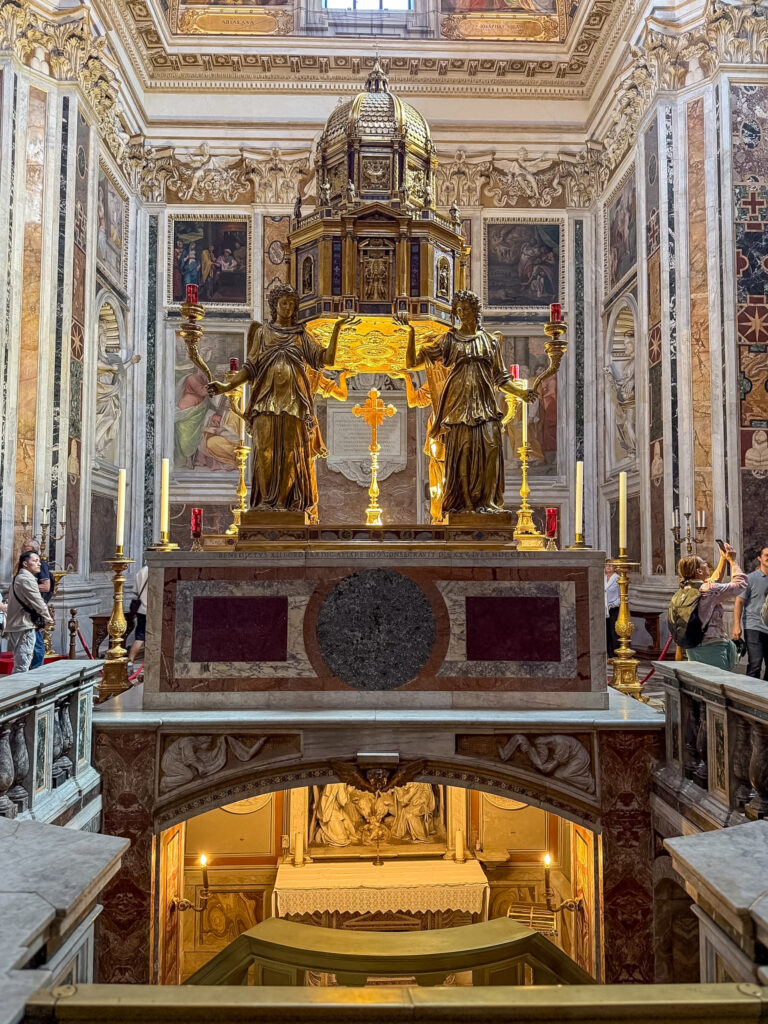
The Papal Basilica of Saint Mary Major (Santa Maria Maggiore)
We wandered through lively streets filled with shops, hidden boutiques, and beautiful architecture, stopping into local stores, admiring historic churches and ornate interiors. Papal Basilica of Saint Mary Major is one of the oldest and most important churches in Rome, dedicated to the Virgin Mary. Built in the 5th century, it is famous for its beautiful mosaics, historic artwork, and important religious relics. According to tradition, the church was founded after a miraculous snowfall showed where it should be built. Today, it is a popular place for worship, history, and tourism.
It was wonderful, soaking in the atmosphere as we explored the city on foot before ending the evening browsing charming kitchen and home goods shops.
There are literally beautiful churches everywhere in Rome. So just get lost and wander the streets.
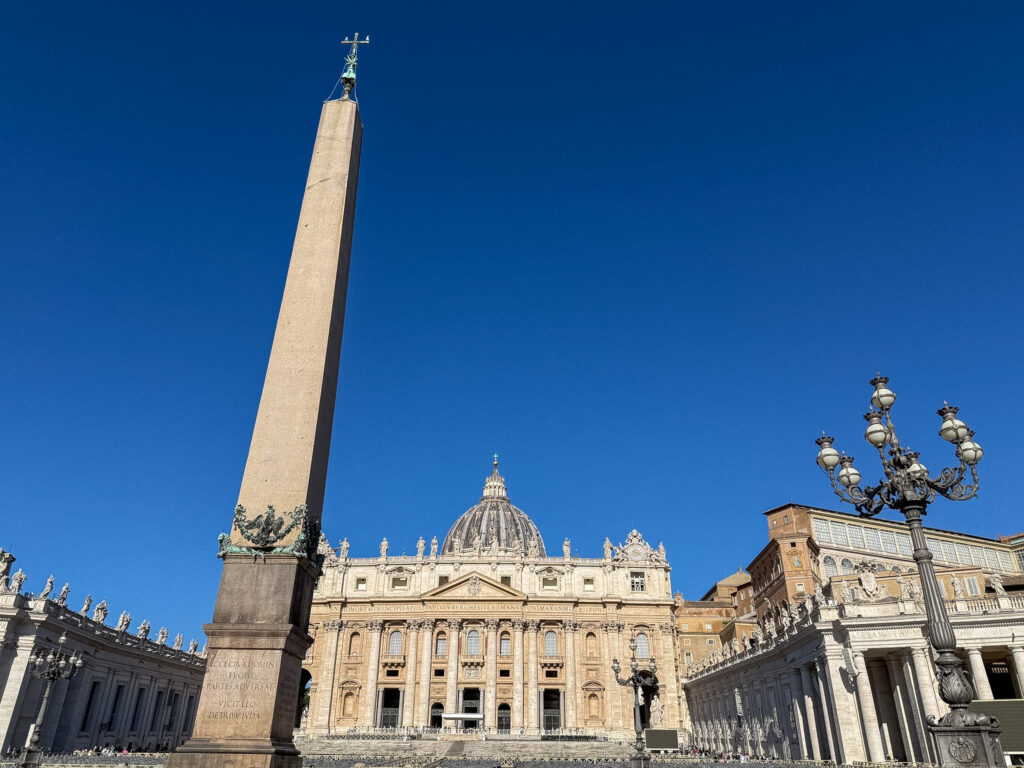
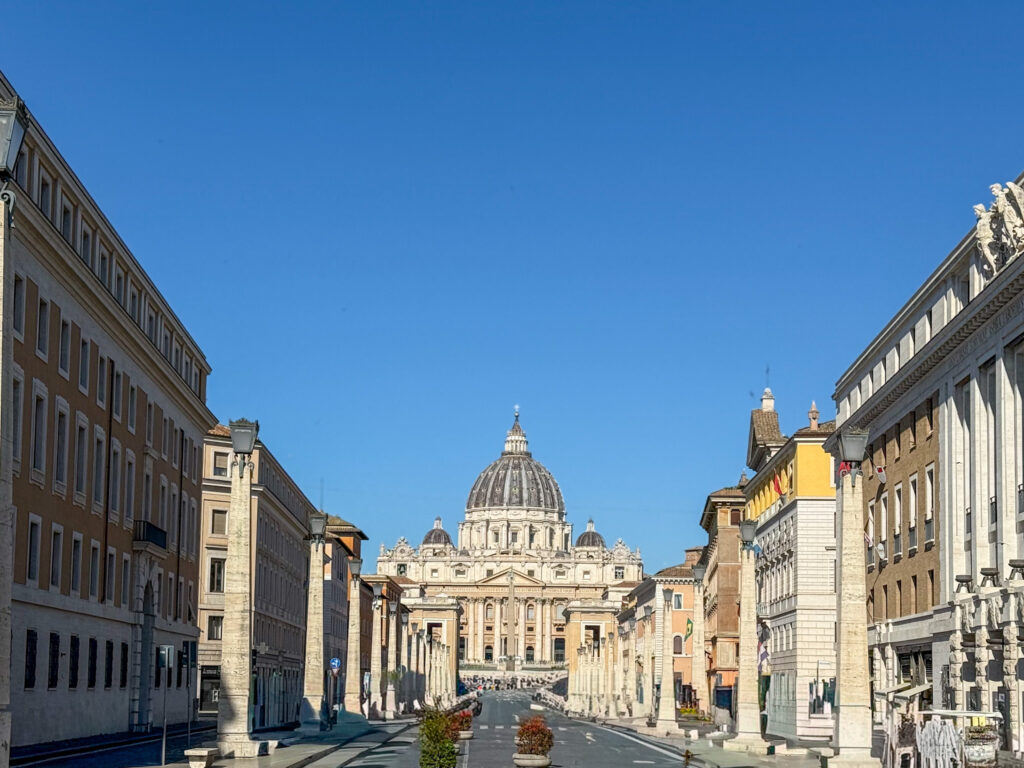
Day 2 of 5 days in Rome: Rome in a Day Tour (Major Highlights)
We booked the Rome in a Day Tour with Colosseum and Vatican Museums through The Tour Guy, and it ended up being one of the best ways to see so much of the city in a short amount of time. Our guide was fantastic—very knowledgeable, engaging, and great at bringing the history to life as we moved from site to site.
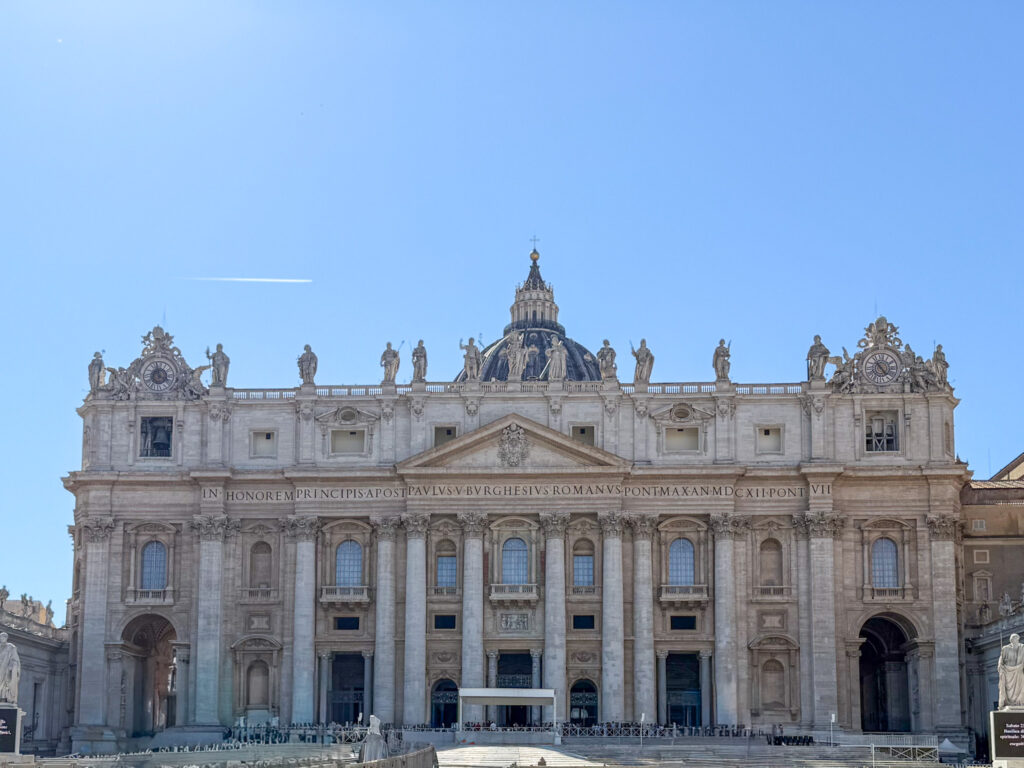
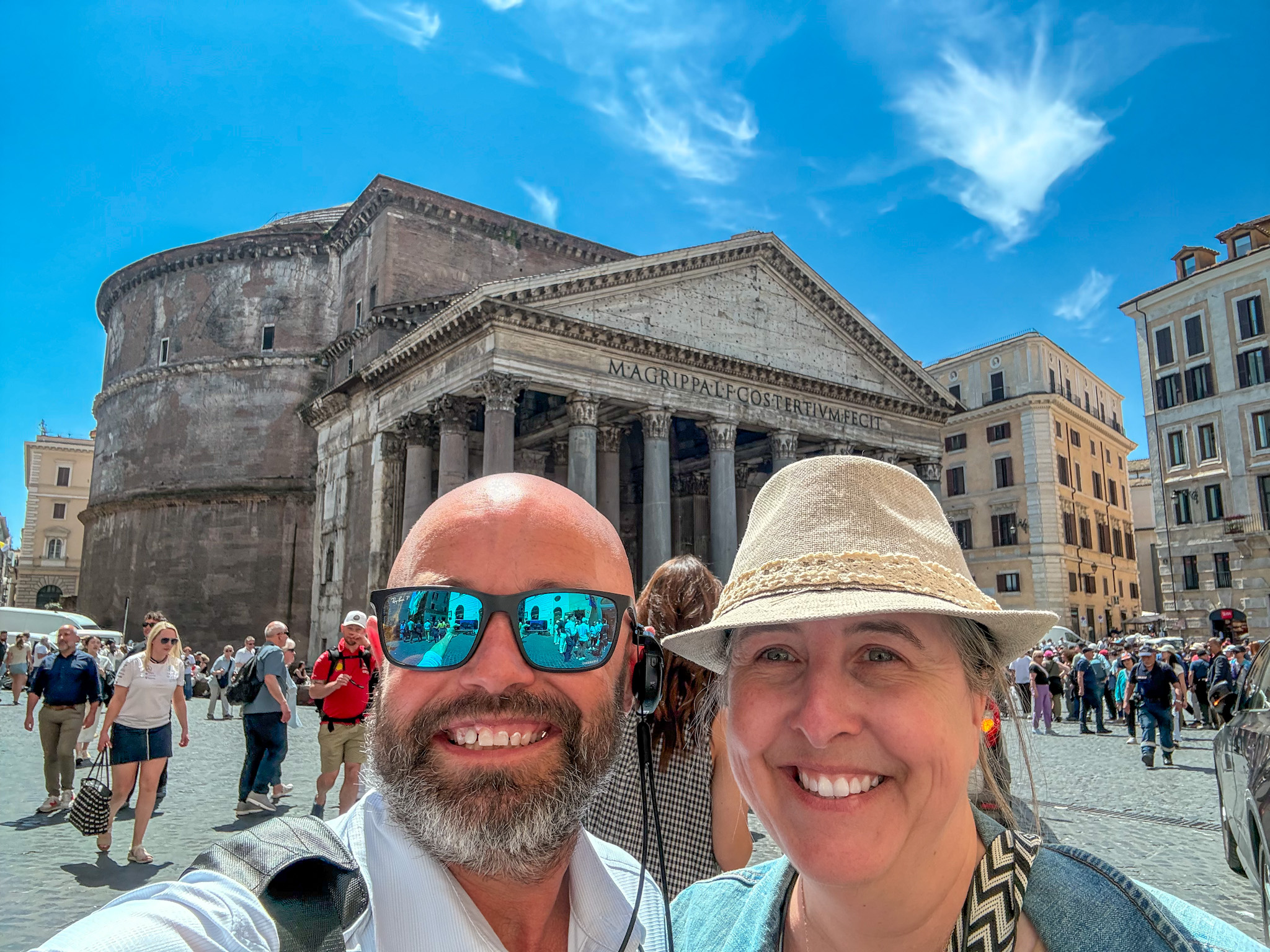
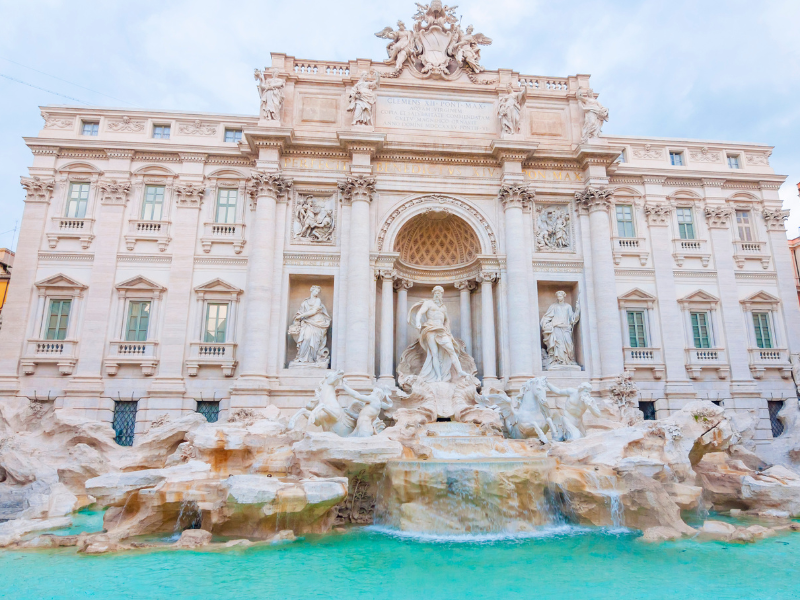
One of the biggest perks is skipping the line to enter the Vatican Museums, which is a huge time saver. The tour also includes stops at St. Peter’s Basilica and the Pantheon (outside only), and you do get to go inside the Roman Forum, which really helps you visualize ancient Rome beyond just the ruins. A quick heads up—if your tour is on a Monday, the Trevi Fountain is typically being cleaned, so there won’t be water in it, but it’s still a great photo opportunity. The restaurant stop along the way was also surprisingly very good.
My only downside was the headsets; many of us struggled to keep them on comfortably and had to hold them in place. That said, I would absolutely recommend this tour. One important tip: when you reach the Vatican Museums at the end, let your guide know if you want to stay longer so you don’t accidentally follow the group out, since that’s where the tour officially ends.
This was our most structured day during our 5 days in Rome, and having The Tour Guy handle logistics made a big difference. Their Rome in a Day Tour is long but efficient and works best early in your trip. We LOVED it and would do it again!!!
The tour included:
- Standing under the Sistine Chapel (There is no picture taking in the Chapel)
- A scenic drive through Rome’s historic center
- Guided walks through Piazza Navona, Pantheon, and Trevi Fountain
- Lunch near the Trevi Fountain
- Guided tours of the Roman Forum and Palatine Hill
- Skip-the-line entry to the Colosseum
- Skip-the-line entry to the Vatican Museums
The Vatican Museums
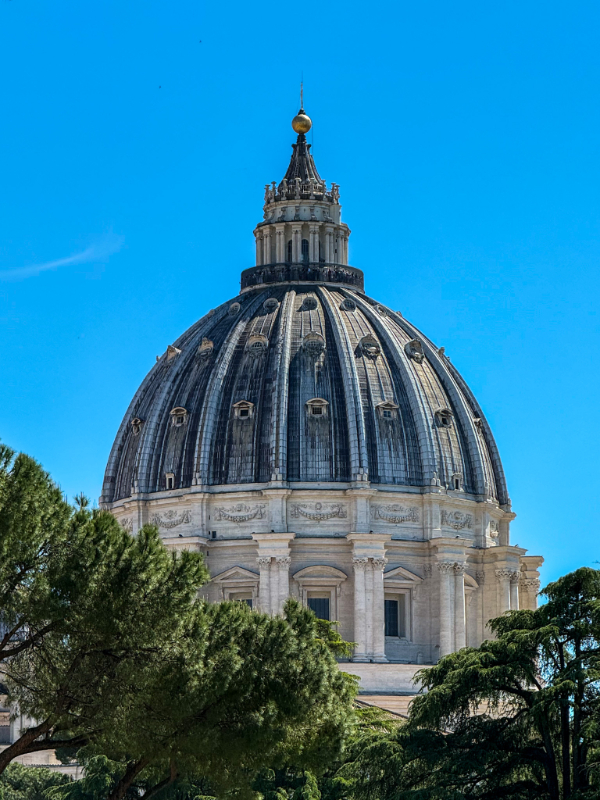
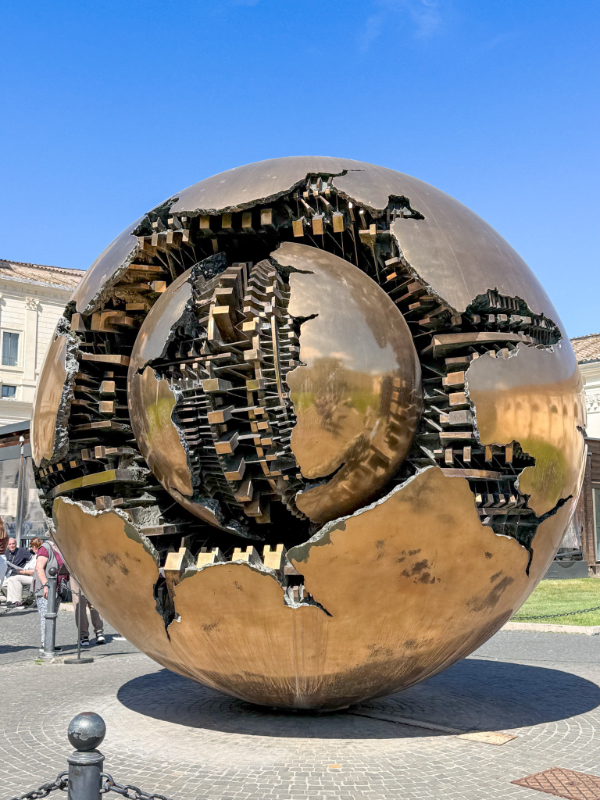
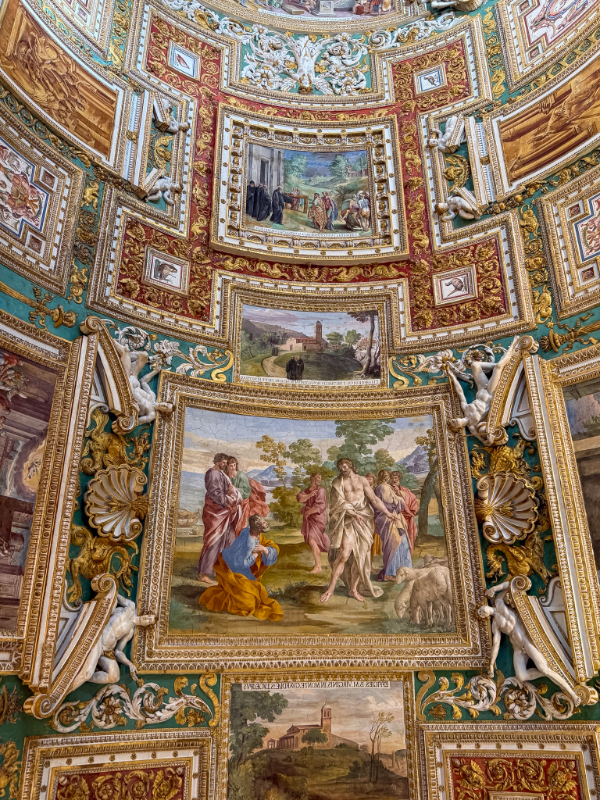
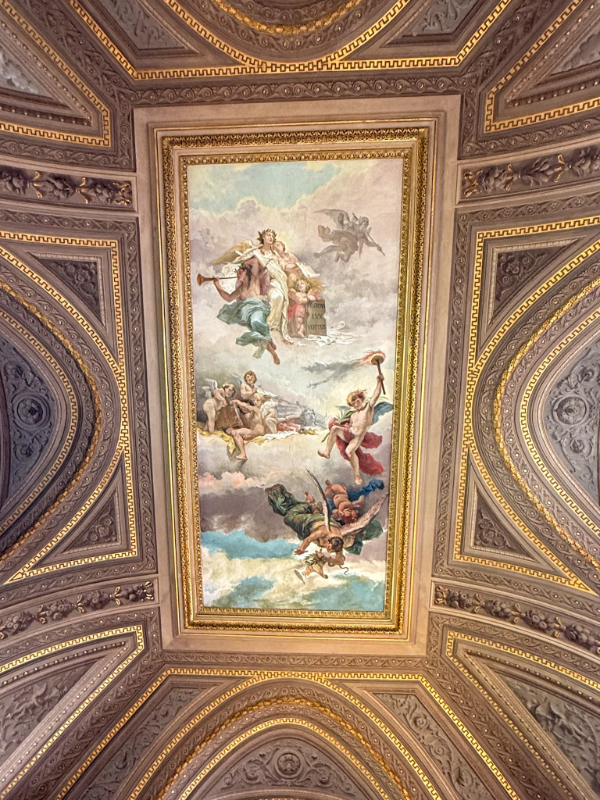
The Vatican Museums offer one of the most remarkable art and history experiences in the world, housing centuries of masterpieces collected by the popes. A tour through the museums takes visitors along grand galleries filled with ancient Roman sculptures, Renaissance frescoes, intricate maps, tapestries, and religious treasures. What makes it so special isn’t just the art itself—it’s the feeling of walking through spaces shaped by history, faith, and creativity over hundreds of years.
And of course, seeing the Sistine Chapel in person is something you never forget. No photo can prepare you for standing beneath Michelangelo’s work and realizing just how massive and detailed it really is. Please note that you are not allowed to take any photos or videos in the sistine chapel.
Also please remember this is a church and they do ask that you be silent. While we were there no one was following these rules so I just think it’s important to point that out.
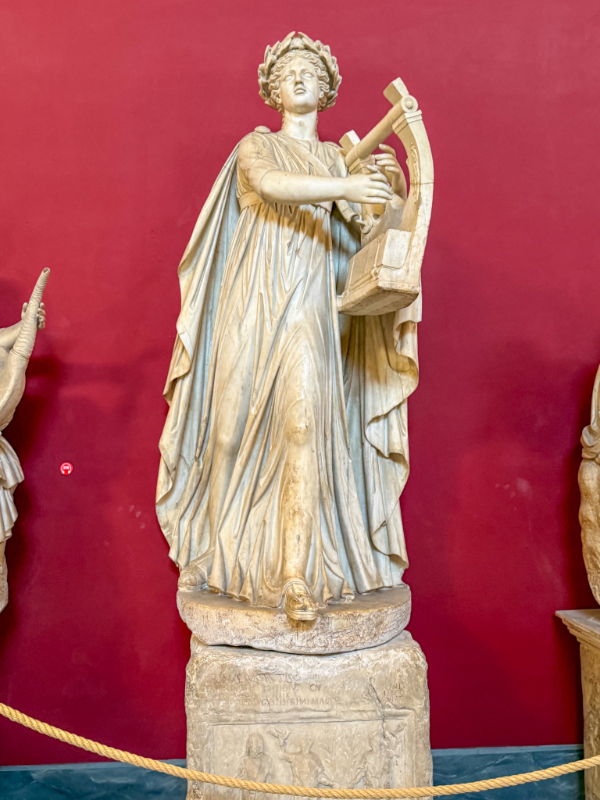
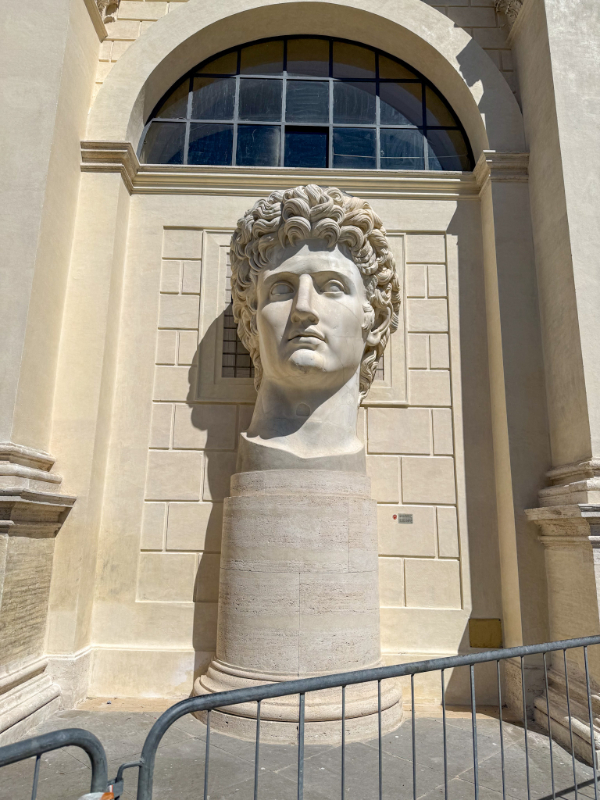
Touring the museums can easily take several hours, so planning ahead is essential. Early morning and late afternoon visits are often less crowded, and guided tours can provide valuable context about the art, architecture, and history of the Catholic Church. Comfortable shoes are recommended because the museum complex stretches for miles through interconnected halls and courtyards. Many visitors combine the museums with nearby landmarks such as St. Peter’s Basilica and St. Peter’s Square, making the Vatican a full-day cultural and spiritual experience. For official visitor information and tickets, see Vatican Museums.
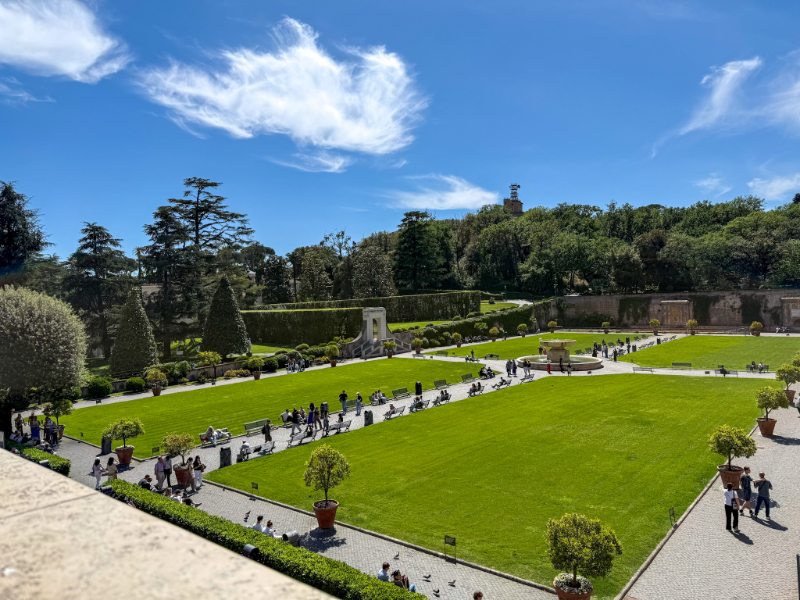
I received a tip that another great tour to take is a private golf cart tour. We learned about it too late to do it this time, but we totally recommend it
Dinner and Dessert in Rome That Night
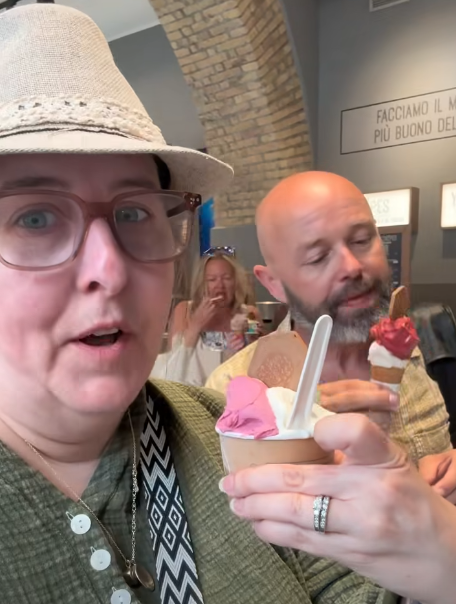
We chose an early dinner at Mimi e Coco Trast around 6:30 pm, which turned out to be a great call. Restaurants filled up quickly after that. One helpful tip I picked up right away is that Romans eat late, usually between 8 and 11 pm, so eating earlier helped us avoid crowds and enjoy a more relaxed meal. We ended the night with gelato from Gelateria La Romana dal 1947 and followed a tip I had saved: look for metal containers with lids and natural colors. It made a difference. (This is the gelato shop that our AirBNB host owns) After dinner, if you have time, you can return to the Colosseum for sunset photos. The lighting is beautiful, and the crowds thin out significantly.
Day 3 of 5 days in Rome: Day Trip to Tivoli and Villa Adriana
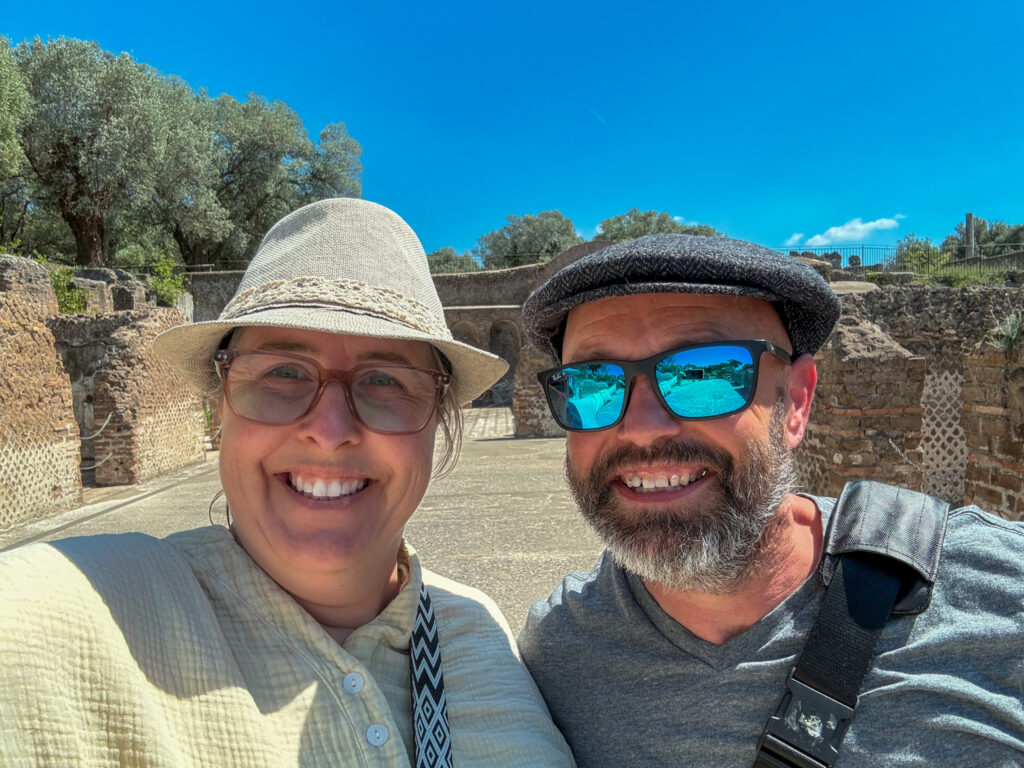
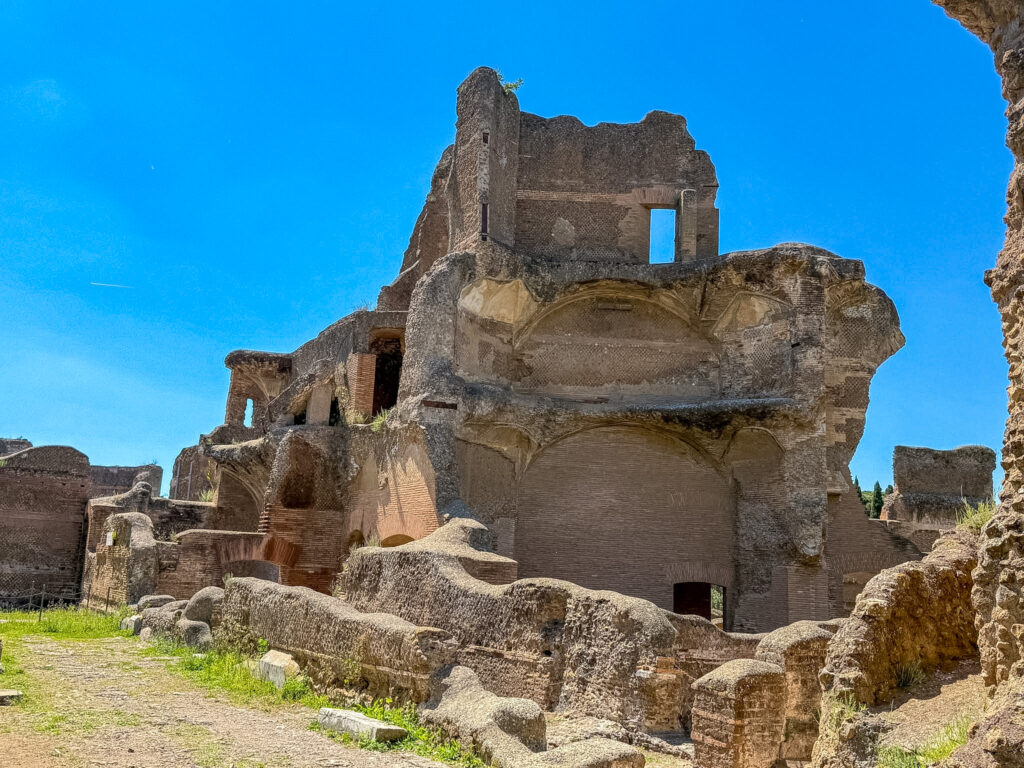
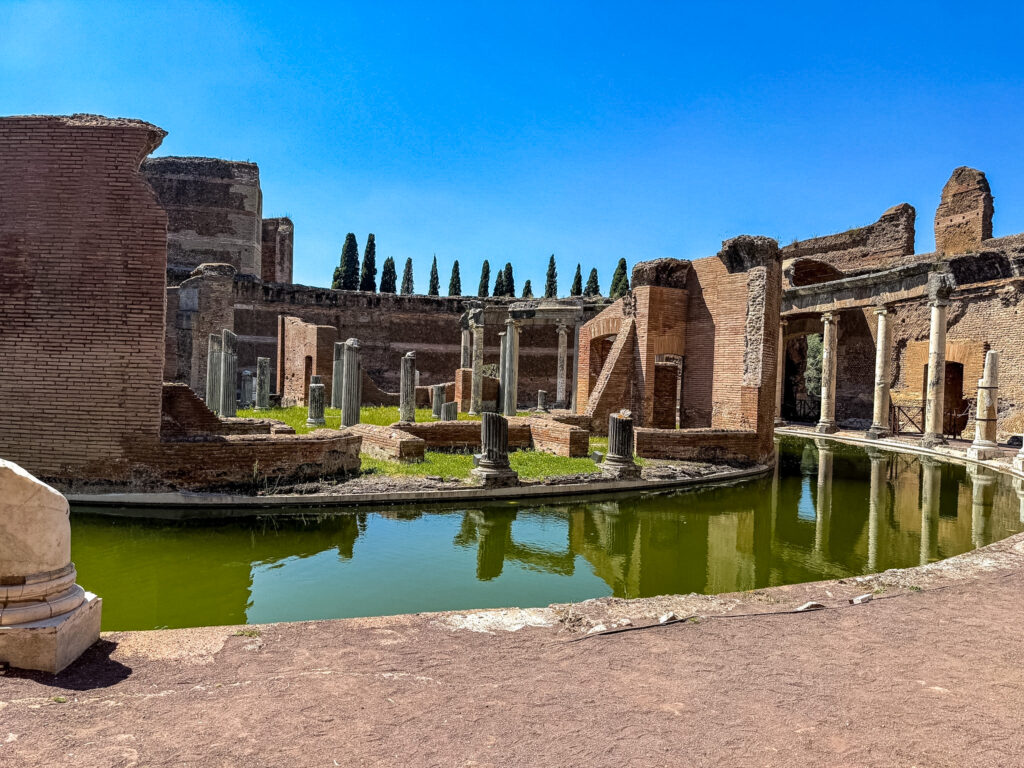
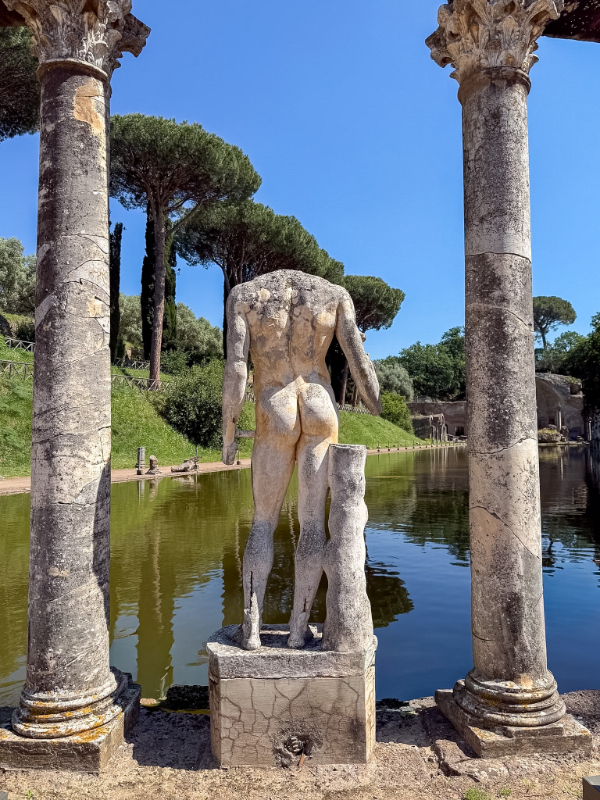
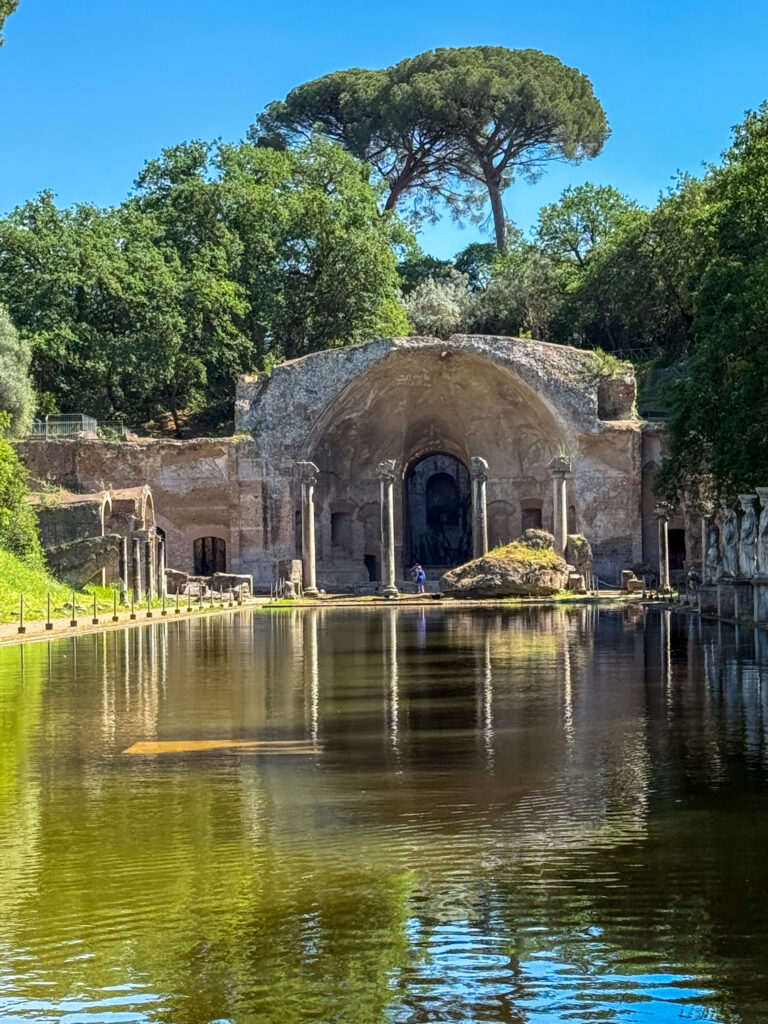
One of the best decisions we made during our 5 days in Rome was planning a day trip to Tivoli. Villa Adriana, also known as Hadrian’s Villa, is an expansive archaeological site that once served as the emperor’s countryside retreat. Walking through the ruins feels peaceful and immersive, with open space, reflecting pools, and remarkably preserved structures. This day offered a slower pace after Rome’s intensity and gave us a deeper appreciation for ancient Roman life. It was one of our favorite day trips that we would totally do again. We’ll be sharing a full guide to this day trip separately.
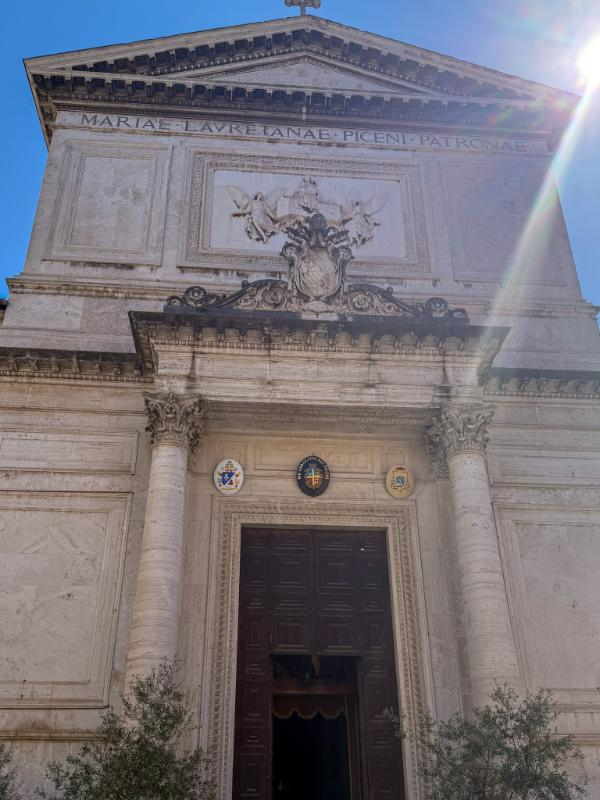
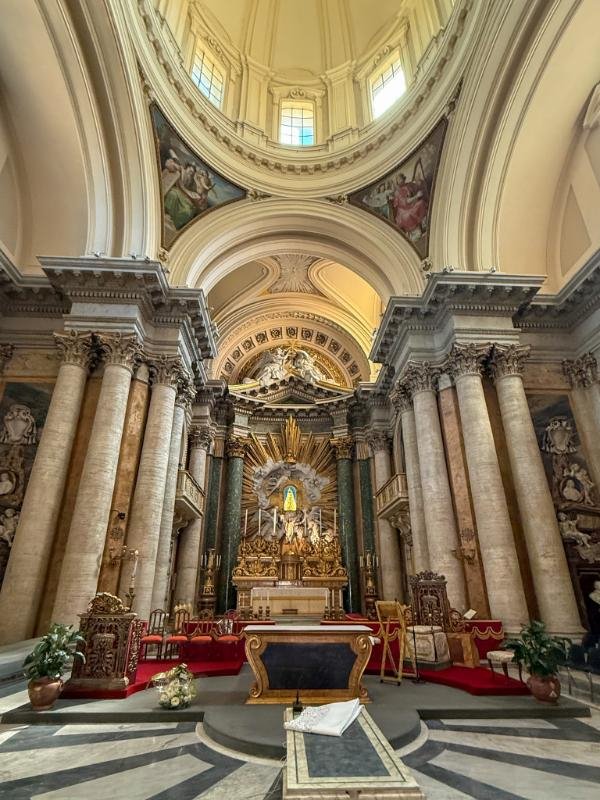
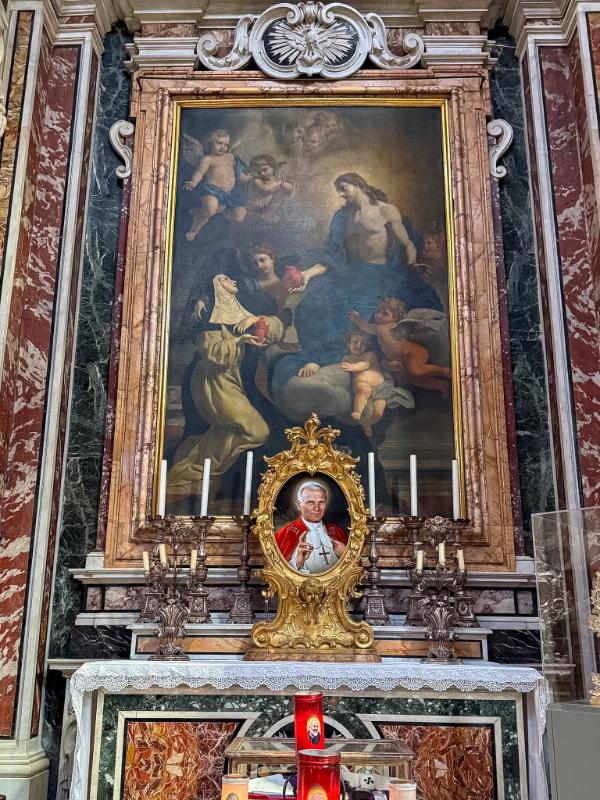
Church of San Salvatore in Lauro, Rome, Italy
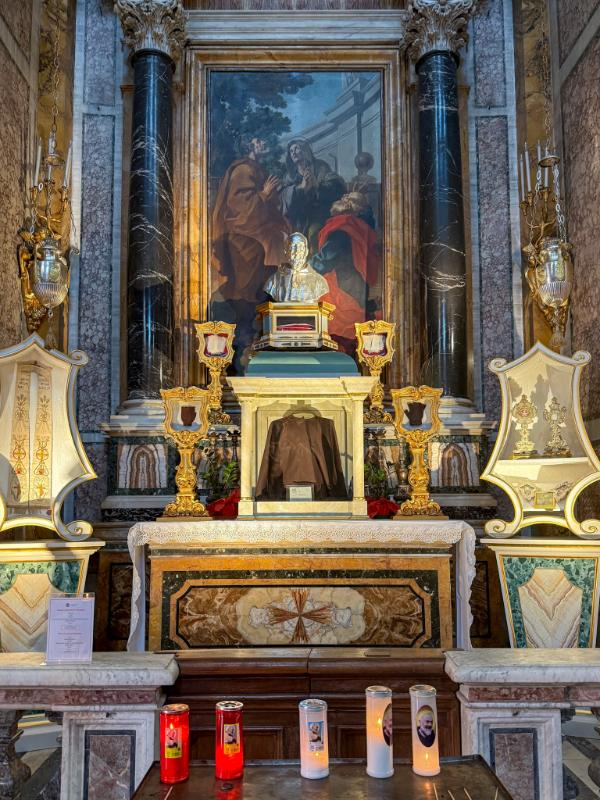
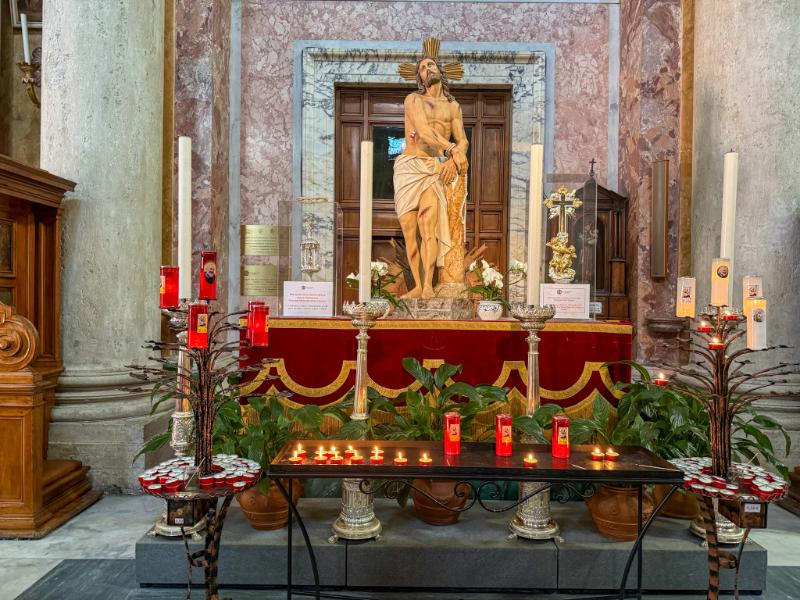
Visiting the Church of San Salvatore in Lauro is a peaceful experience in the busy city of Rome. The church is close to Piazza Navona and is known for its beautiful Baroque style, colorful paintings, and detailed marble decorations. Even though it is in a popular part of Rome, the church is usually quiet and calm inside. It was first built in the Middle Ages and later rebuilt after a fire in the 1500s. Today, many visitors come to enjoy its history, art, and relaxing atmosphere.
The church is also important because of its special image of the Virgin Mary, called Our Lady of Loreto. People visit to pray, admire the artwork, and learn about Rome’s religious history. The area around the church is full of small streets, cafés, and famous sites like Piazza Navona and Castel Sant’Angelo. This makes San Salvatore in Lauro a great stop while walking through the historic center of Rome.
Day 4 of 5 days in Rome: Optional Day Trip to Ostia Antica
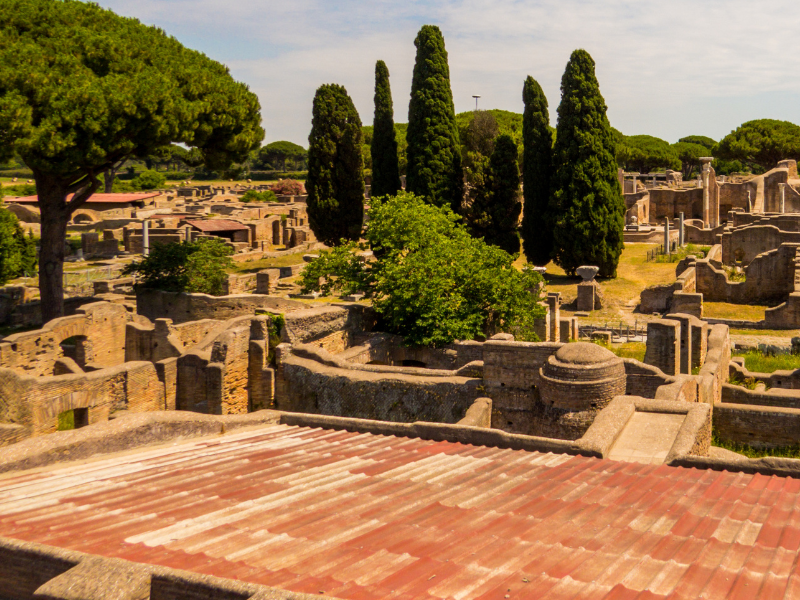
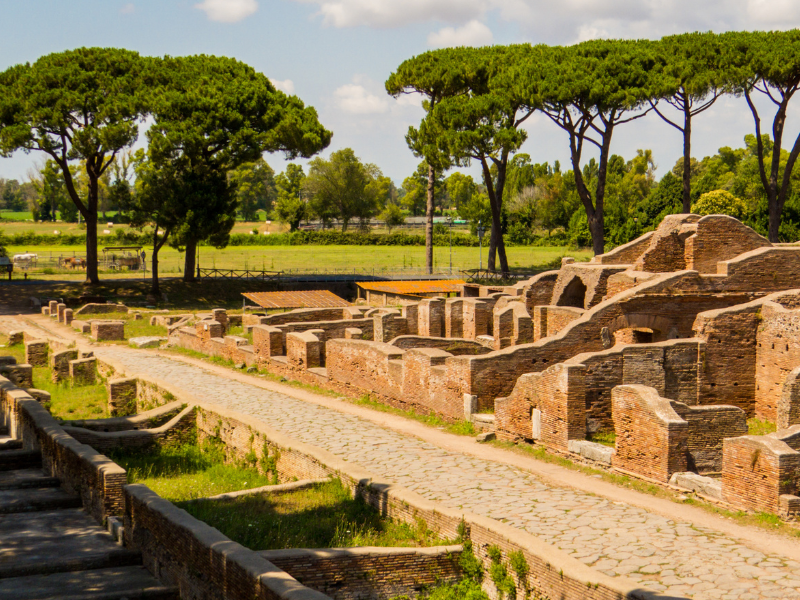
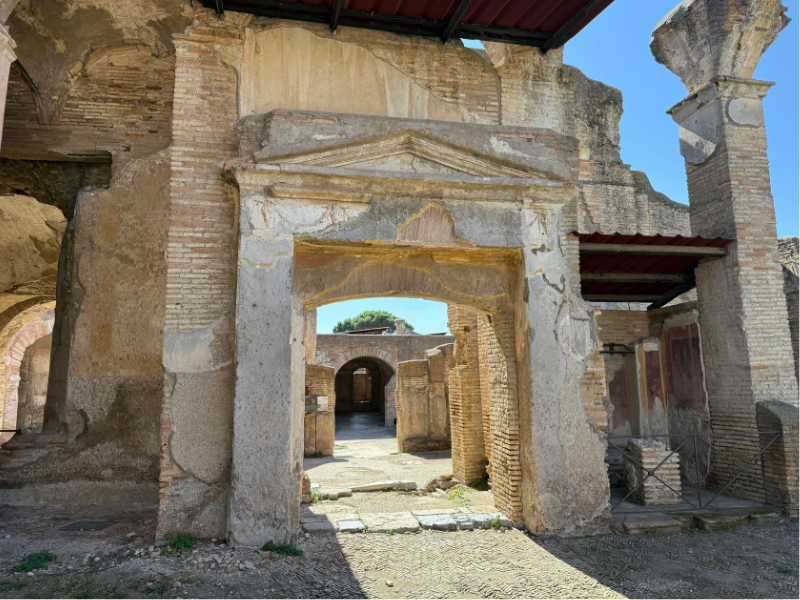
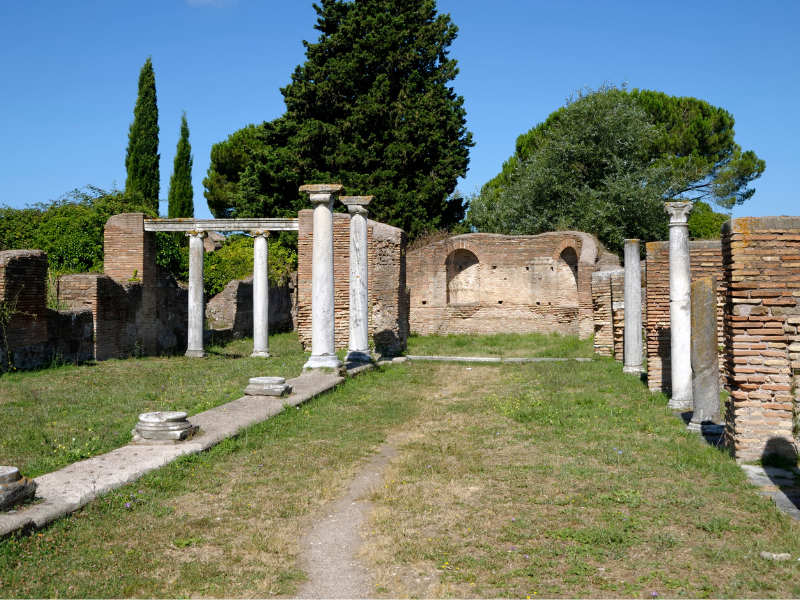
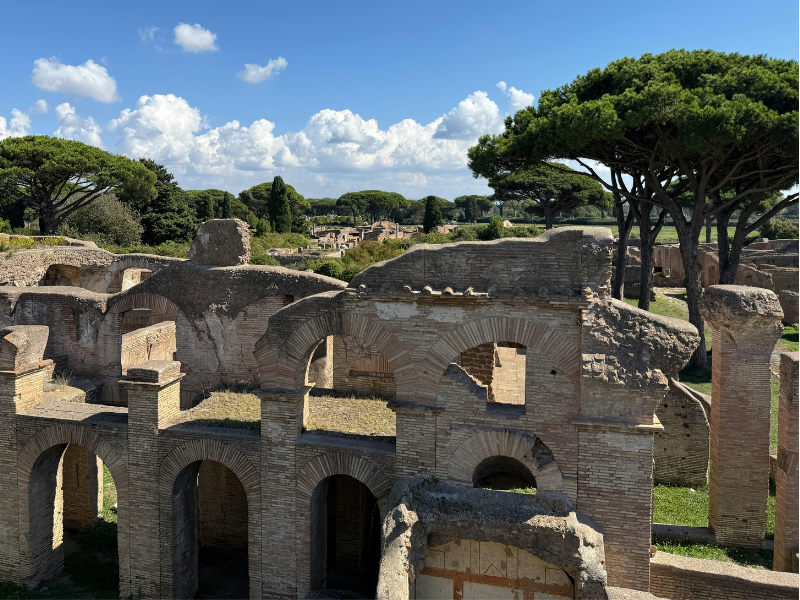
Ostia Antica is one of the most underrated experiences near Rome. Once the ancient port city of Rome, it is incredibly well preserved and far less crowded than Pompeii. The train ride from Rome takes about 25 minutes, and from the station, you can walk directly to the ruins. Inside, you’ll find ancient streets, apartment buildings, baths, temples, and a theater, all laid out like a real Roman town. This makes for an ideal half-day trip
Day 5 of 5 days in Rome: Optional Day Trip to Orvieto
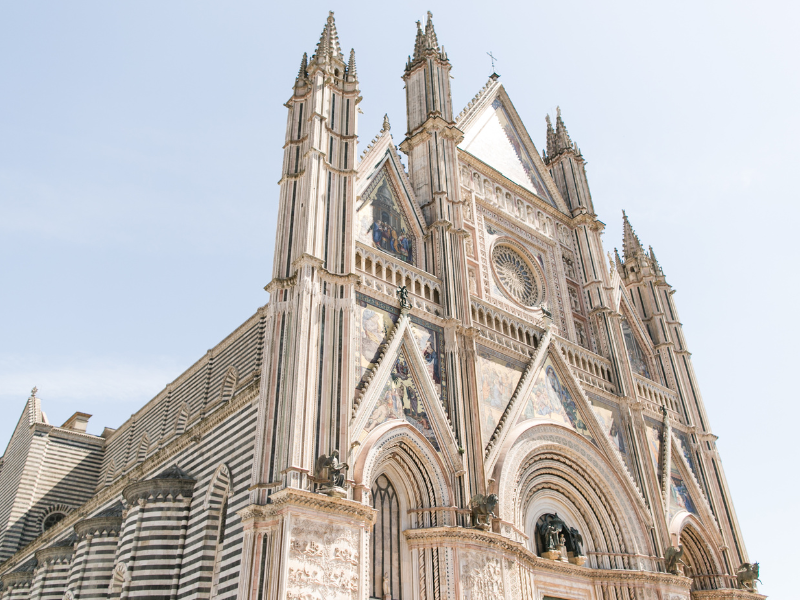
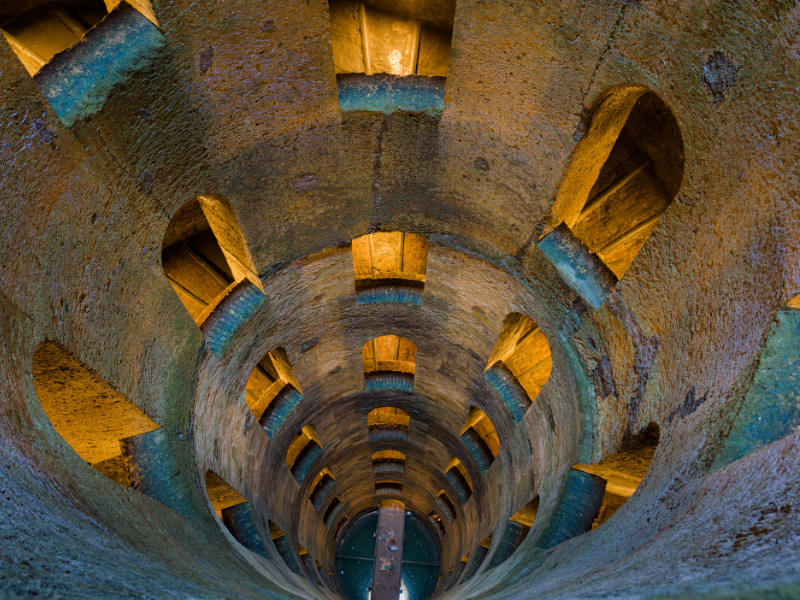
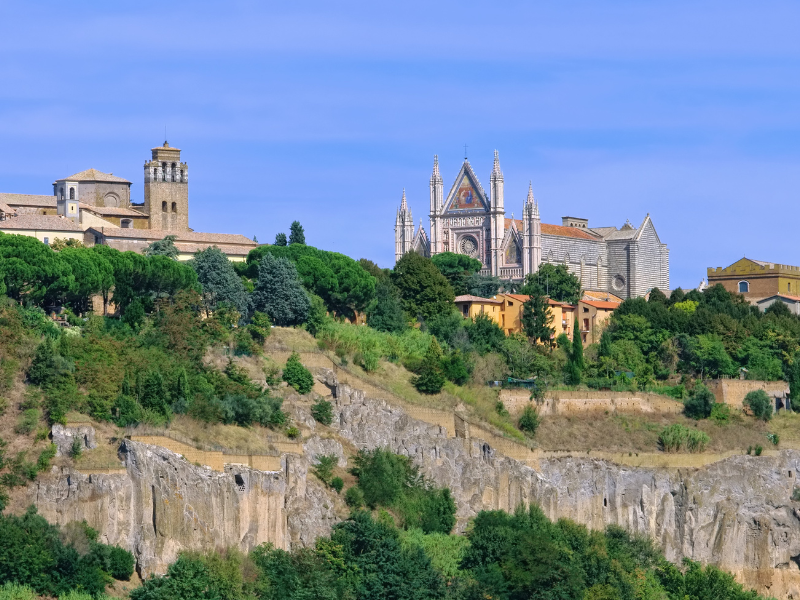
For a completely different experience, plan a day trip to Orvieto, a stunning hill town in Umbria. One of its highlights is the Pozzo di San Patrizio (Saint Patrick’s Well), a fascinating engineering feat with a double-helix staircase designed to allow mules to carry water without crossing paths. Saint Patrick’s Well is a famous deep well in Orvieto, near ancient Etruscan gardens and ruins. It was built in the 1500s to make sure the town would always have water during disasters or enemy attacks.
After the 1527 Sack of Rome, Pope Clement VII hid in Orvieto and ordered the construction of the well. The architect was Antonio da Sangallo the Younger, with help from Giovanni Battista da Cortona and decorations by Simone Mosca. During the digging, workers also discovered an ancient tomb from before Etruscan times.
The well reaches about 203 feet (62 meters) deep and 43 feet (13 meters) wide. Inside, the builders created a double-helix staircase with two separate spiral staircases, each containing 248 steps. People and pack animals used one staircase to go down and collect water, while others used the second staircase to return to the surface without causing traffic jams. Seventy-two windows built into the walls light the stairways.
At the bottom, a small bridge links the two staircases. A natural spring supplies the well’s water, while a drainage system carries away excess water to keep the water level steady. Outside, the structure resembles a wide stone cylinder decorated with the symbols of Pope Paul III, who oversaw the project’s completion in 1537.
Orvieto also offers beautiful views, charming streets, and a peaceful atmosphere that contrasts with the busy energy of Rome. Filmmakers and television producers have also used the town as a filming location.
Where to Eat in Rome
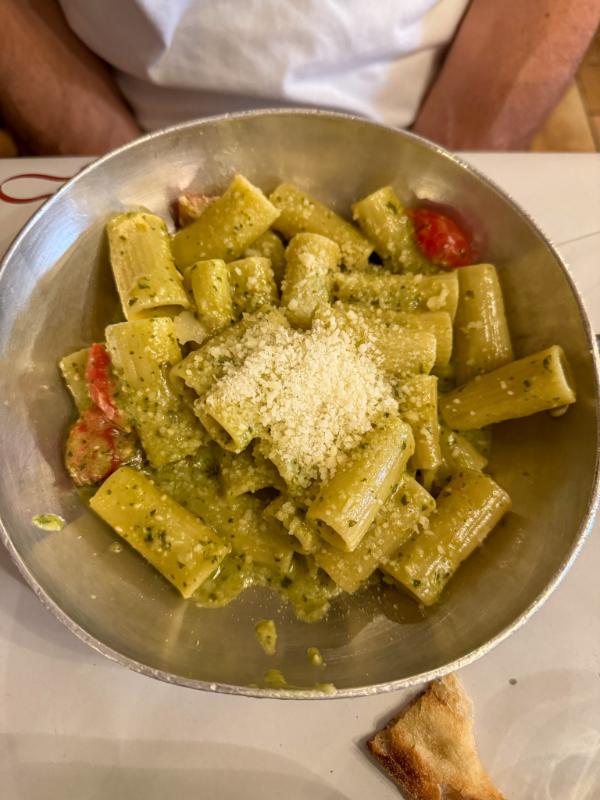
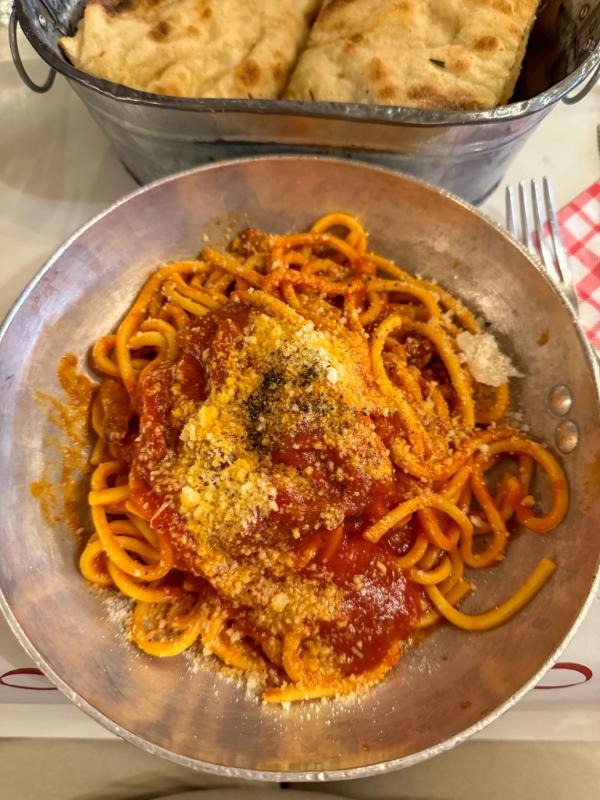
Rome is a city made for walking. This day was about revisiting favorite spots, wandering without a plan, and enjoying the food. As I mentioned earlier, Romans eat late, usually between 8 and 11 pm. If you want to avoid crowds, eat earlier, around 6–7 pm. Let me just say that I spent HOURS watching TikTok videos and wrote down everyones must have places to eat.
But when we got to Rome, we threw out that list and just got lost walking in the city and popped into places that we thought looked good after reading the menus and let me say NONE of them dissapointed.
Some of our favorite food experiences during our 5 days in Rome:
- Da Enzo al 29 or ORo Bistro for a special sunset dinner
- All’Antico Vinaio sandwiches for a quick, filling lunch
- Two Sizes for Tiramisu
- Regoli for pastries, especially the maritozzo
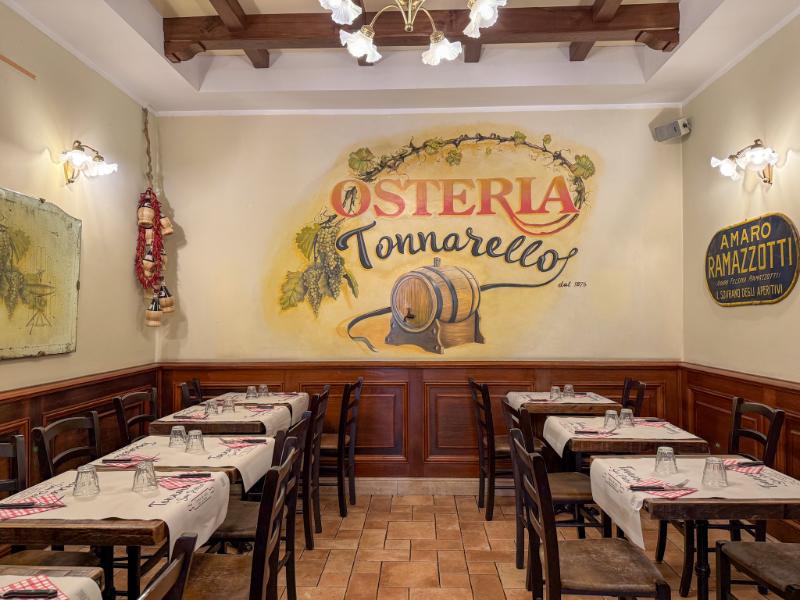
- Trastevere Neighborhood for dining, with Tonnarello being the most popular spot
- Supplì Roma for fried rice balls
- Pizza La Boccaccia for pizza by the slice
- Gelateria La Romana for quality gelato
- Osteria Da Fortunata for fresh pasta and carbonara
- Roma Sparita for traditional Roman dishes
- Alfredo Alla Scrofa for the iconic Alfredo experience. This is where Fettuccine Alfredo was born in 1914.
Tipping is optional and usually modest (around 5–10%) since servers are paid wages, so many people just round up or leave a couple of euros. You’ll also see a “coperto” charge on the bill, which isn’t a tip—it covers the table, bread, and basic service—so most of the dining cost is already included. We did find that most places DID ask for a tip while we were visiting.
Is 5 Days in Rome Enough?
Five days gave us time to see Rome’s highlights without feeling rushed and allowed space for day trips that added depth to the experience. If it’s your first visit, 5 days in Rome is a great balance.
Printable Rome Itinerary Coming Soon
We’re creating a printable 5-day itinerary in Rome, including daily pacing, transportation tips, and food recommendations. If you want access to that when it’s ready, be sure to subscribe to the blog.
-
13 Best Halloween Campgrounds for a Spooky Family Trip
These Halloween events at KOA campgrounds create a safe, festive space for kids to celebrate while families savor campfire meals, share cozy fall treats, and enjoy quality time outdoors together.
-
A Girls’ Getaway & Retreat in Sulphur, Oklahoma
Join us for a girls getaway & retreat in Sulphur, Oklahoma, as the Consumer Queen team enjoys good food, shopping, spa treatments, and time together. From The Artesian Hotel and Spa to local restaurants and shops, we found plenty to enjoy while mixing business with a relaxing weekend away.
-
America’s 250th Celebration Continues at Mount Vernon: Fall Festivals, Colonial Markets, Wine Weekends & Halloween Fun
America’s 250th Celebration continues at George Washington’s Mount Vernon with a full season of fall events, hands‑on history, and family activities. Visitors can explore the Colonial Market & Fair, enjoy 18th‑century demonstrations, take part in special programs at the Presidential Library, and celebrate Halloween across the historic estate. Mount Vernon brings the past to life with crafts, tours, storytelling, and immersive experiences that highlight the people and stories that shaped America.
-
A Perfect Dingle Peninsula Day: Dunquin Pier & Baby Lambs
A perfect Dingle Peninsula itinerary with Dunquin Pier, baby lambs, food stops, and an overnight stay in Dingle.
-
Summer’s Final Stretch: Celebrating Parks, Community, and Legacy
Summer may be winding down, but there’s still plenty of time to make memories and celebrate the parks you love. Warm days, long evenings, and wide‑open trails make this a great moment to get outside. Whether you’re chasing big adventures or enjoying quiet time in nature, these places have a way of keeping us grounded as the season slowly shifts.
-
South Wales Scenic Road Trip: Castles, Coastal Views, and Hidden Gems
South Wales road trip featuring castles, scenic coastal drives, stunning beaches, and great food and hotel recommendations for travelers.