Villa Adriana: A Hidden Gem Near Rome
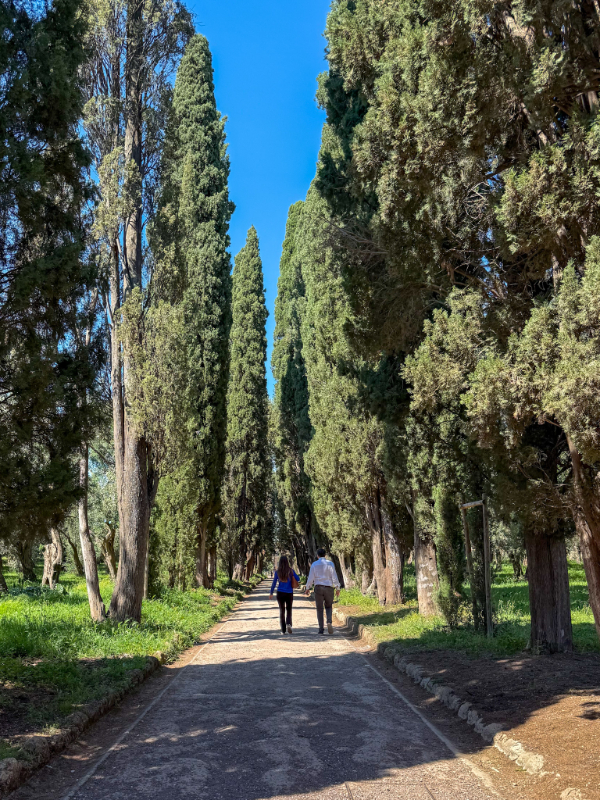
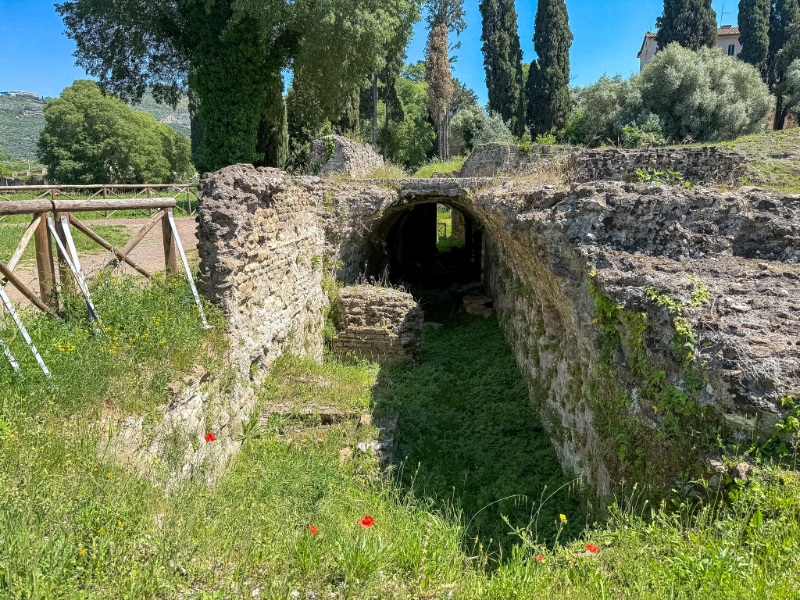
Just outside the busy streets of Rome lies a place where time seems to slow down. Villa Adriana (also known as Hadrian’s Villa) is not just a collection of ruins. It is a vast and carefully designed retreat built by Emperor Hadrian nearly 2,000 years ago. Walking through the site feels like stepping into a forgotten city filled with quiet beauty and ancient stories. Unlike the crowded landmarks in Rome, this place offers space, calm, and a deeper connection to history.
A Grand Vision of an Emperor
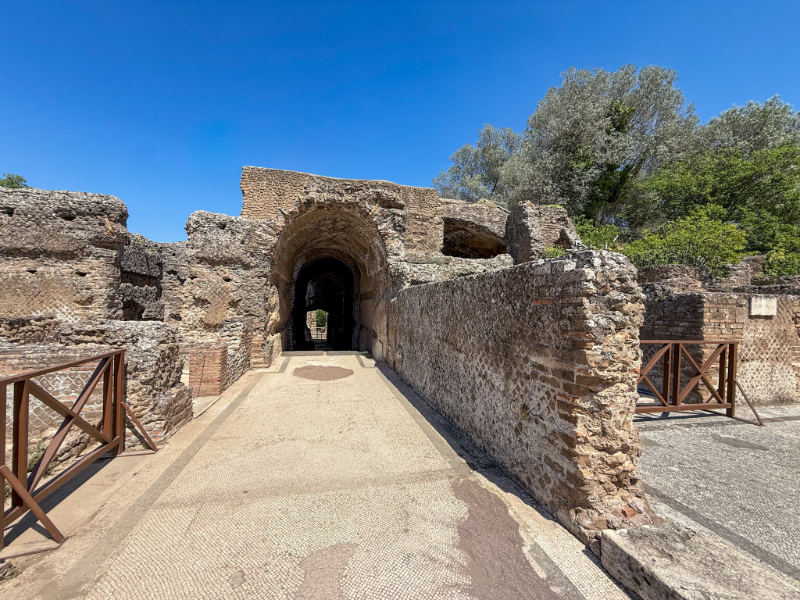
Villa Adriana sits in Tivoli, about 30 kilometers from Rome. It was built between 117 and 138 AD as a peaceful escape from the capital. Hadrian wanted more than a simple countryside villa. He imagined a large and ideal city where he could live, work, and relax. The result was a massive complex covering over 120 hectares (almost 300 acres), filled with palaces, baths, gardens, and cultural spaces.
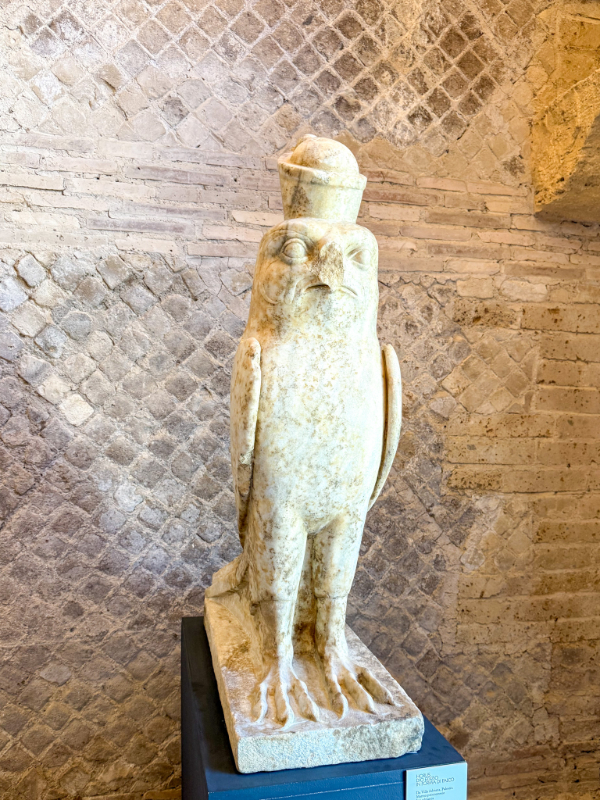
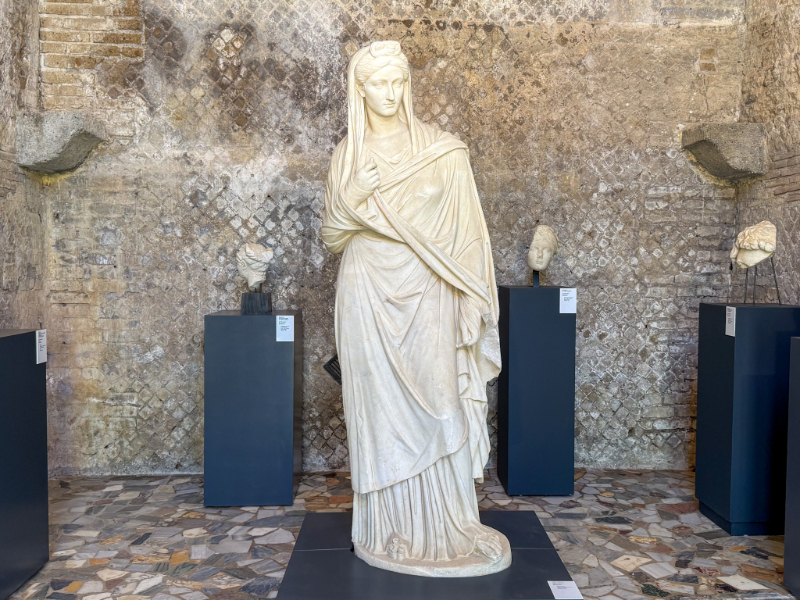
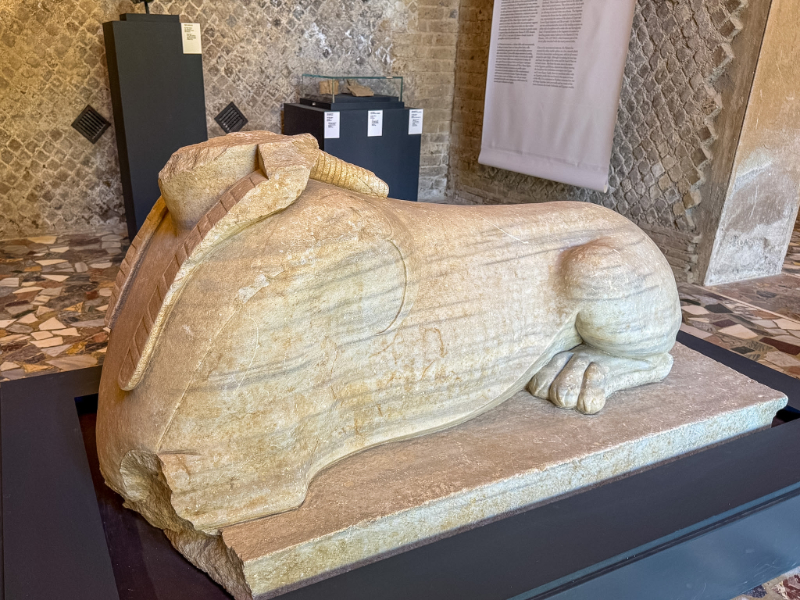
What makes the villa unique is its mix of architectural styles. Hadrian traveled widely across the Roman Empire. He brought back ideas from places like Greece and Egypt. These influences appear throughout the site in the form of columns, pools, and statues. The villa reflects not only power but also curiosity and creativity. Every corner reveals a new inspiration drawn from distant lands.
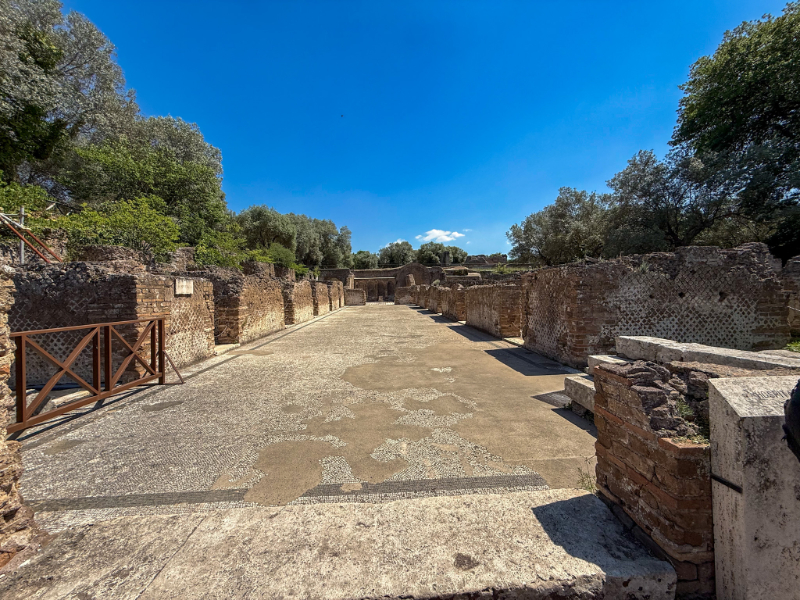
What to See Inside Villa Adriana
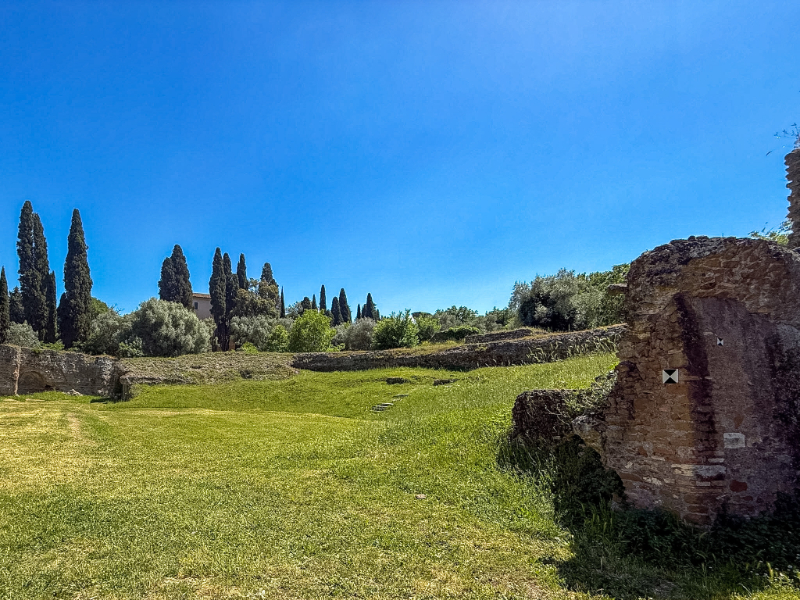
Exploring Villa Adriana takes time, and that is part of its charm. The site is large, so comfortable shoes are essential. As you walk along the paths, you will notice how nature blends with the ruins. Trees, grass, and open skies surround the ancient structures, creating a peaceful setting.
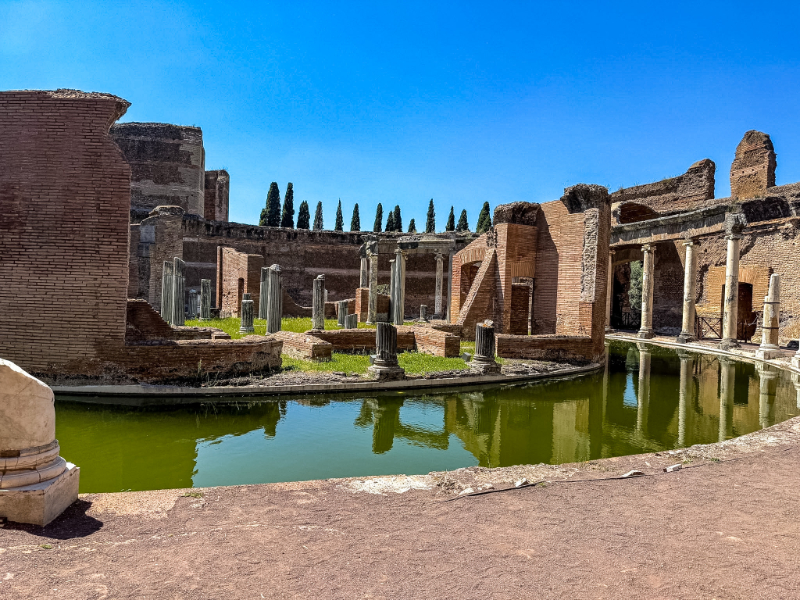
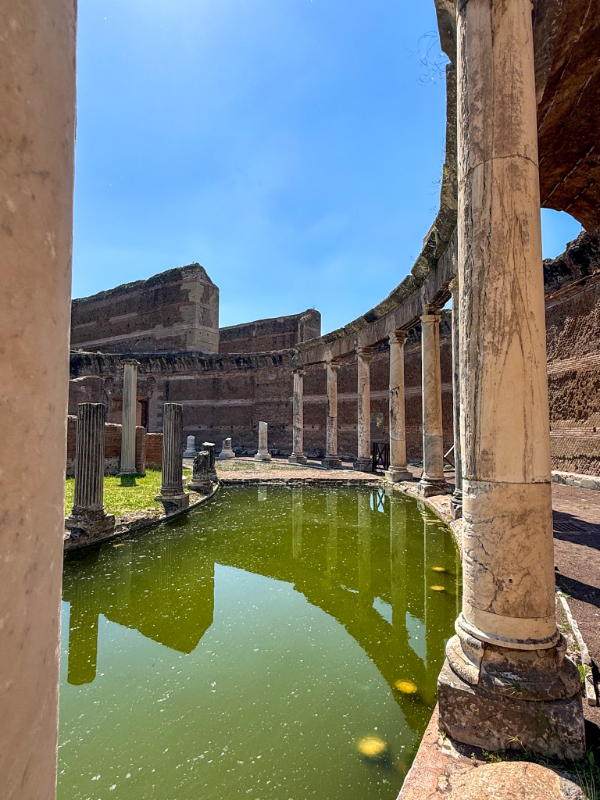
One of the most fascinating areas is the Maritime Theatre. This circular structure once surrounded a small private island. It was likely Hadrian’s personal retreat within the villa. The design is simple yet elegant, with water creating a natural barrier around the space. It offers a glimpse into the emperor’s desire for privacy and quiet reflection.
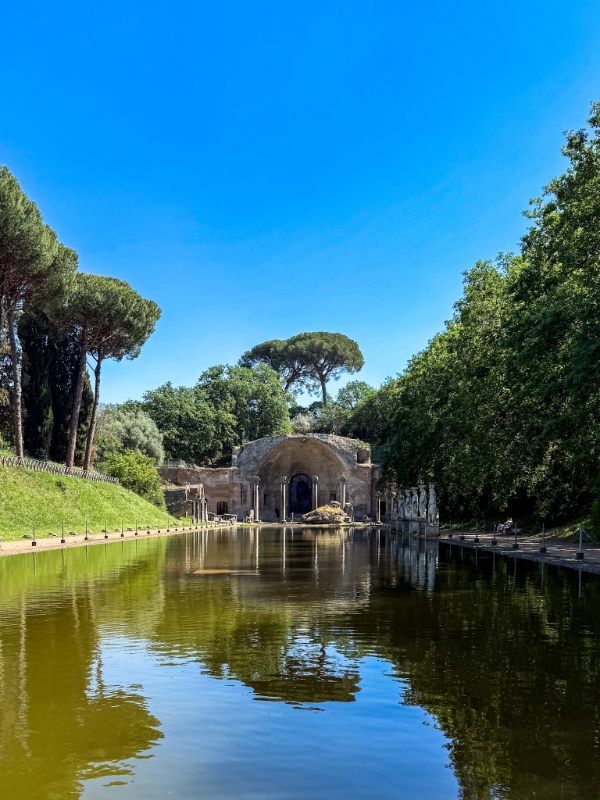
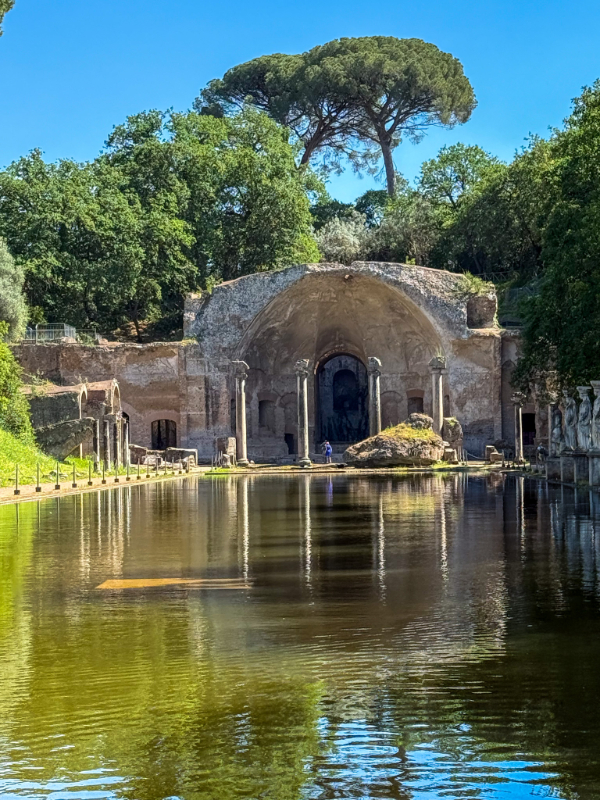
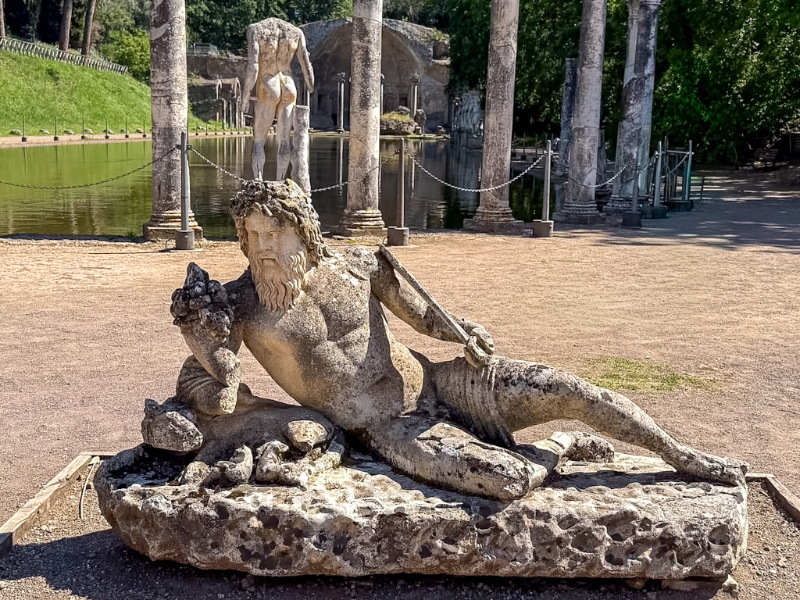
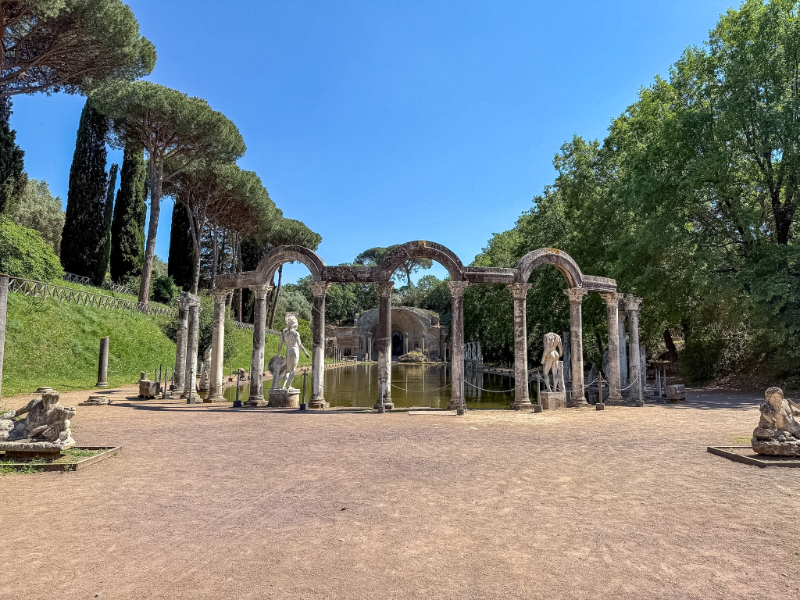
Another must-see is the Canopus. This long pool is lined with statues and columns, inspired by Egyptian design. The reflections on the water create a stunning view, especially during late afternoon light. It is one of the most photographed spots in the villa, and it is easy to see why. The balance of symmetry, water, and sculpture makes it unforgettable.
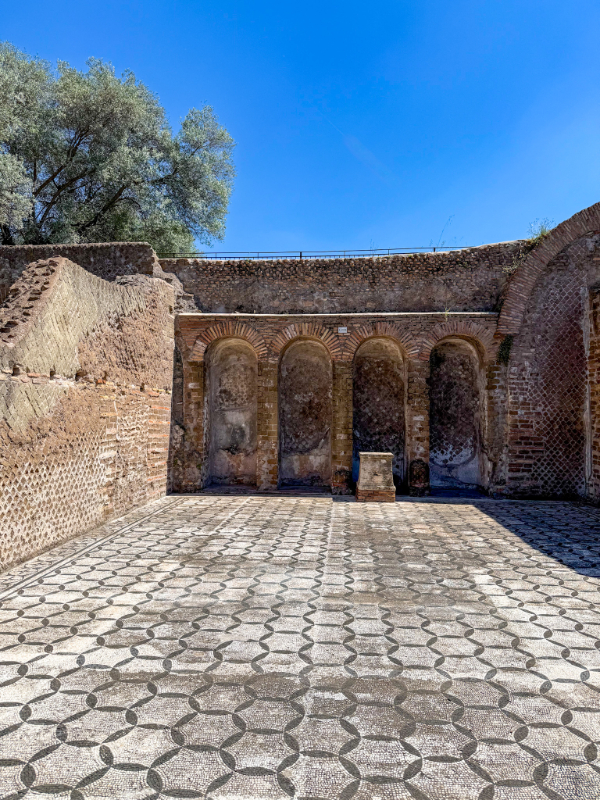
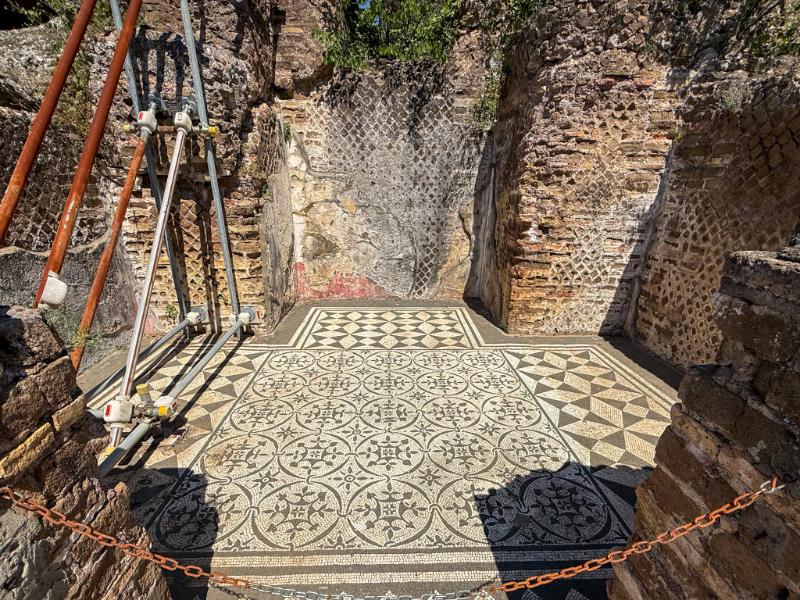
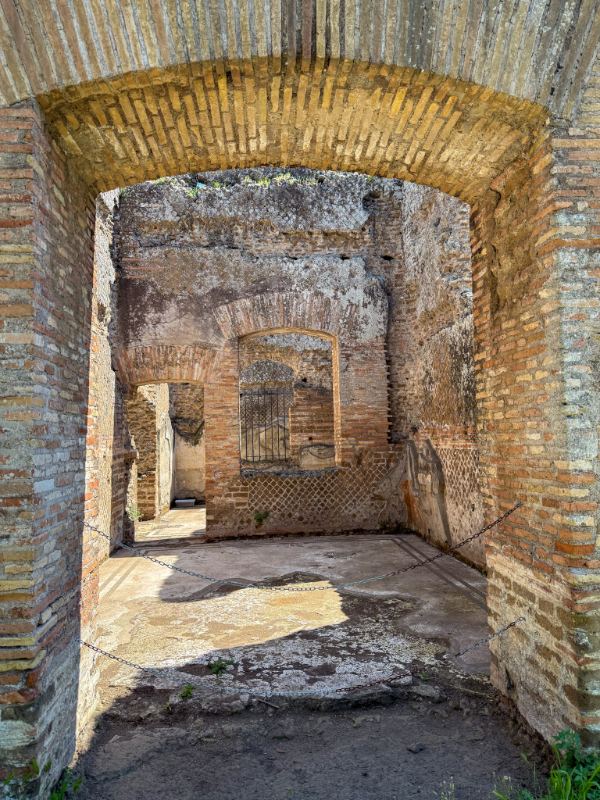
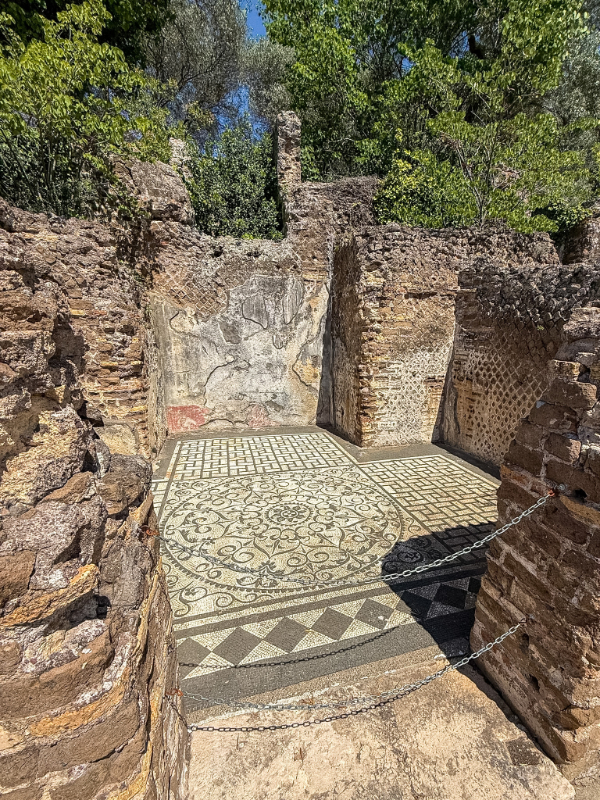
The Imperial Palace area shows the scale of luxury that once existed here. Though much of it is now in ruins, you can still imagine the grand halls and living spaces. Nearby, the baths reveal advanced Roman engineering. Heated floors and large rooms show how important comfort was in daily life. These details remind visitors how advanced Roman technology had become.
History and Cultural Importance
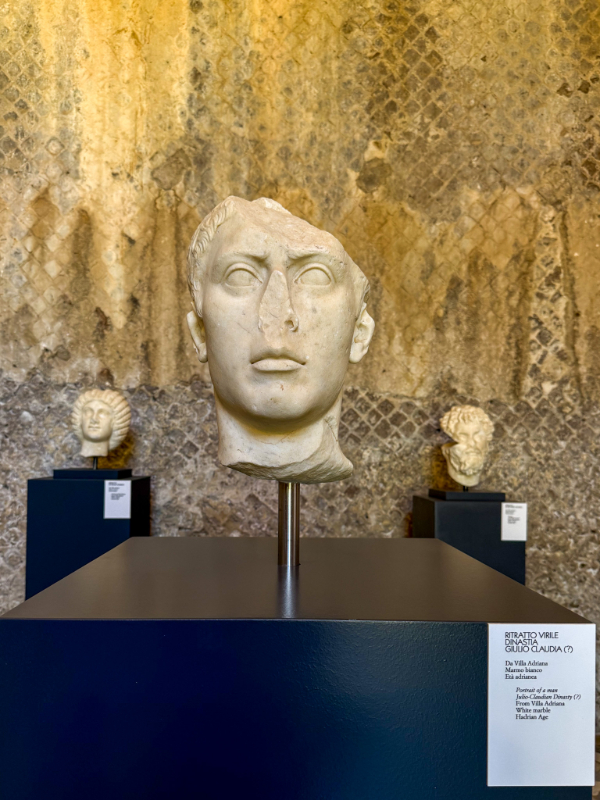
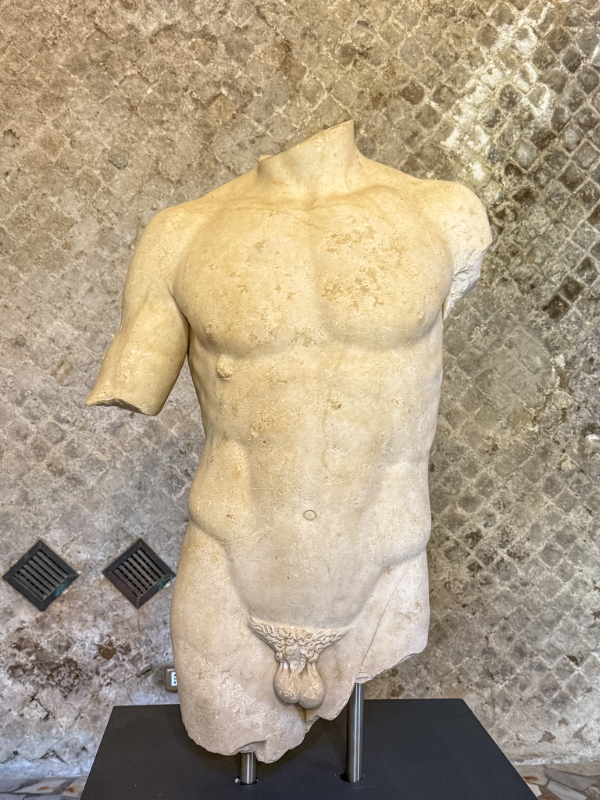
Villa Adriana was more than a private home. It was a symbol of power, culture, and knowledge. Hadrian used the space to host guests and display art from across the empire. Many of the original statues and decorations have since been moved to museums, but their influence remains.
After the emperor’s death, the villa slowly fell into decline. Over time, it was abandoned, and parts were looted. Centuries later, during the Renaissance, artists and architects rediscovered the site. They studied its design and used it as inspiration for new works across Europe. This renewed interest helped preserve its importance.
Today, Villa Adriana is recognized as a UNESCO World Heritage Site. It stands as one of the greatest examples of Roman architecture and design. The site offers insight into both the personal life of an emperor and the broader culture of the Roman world.
Travel Tips for Visiting Villa Adriana
Planning a visit to Villa Adriana is simple, especially if you are staying in Rome. You can reach Tivoli by train or bus, and from there, local transport or taxis will take you to the entrance. The journey makes for an easy and rewarding day trip.
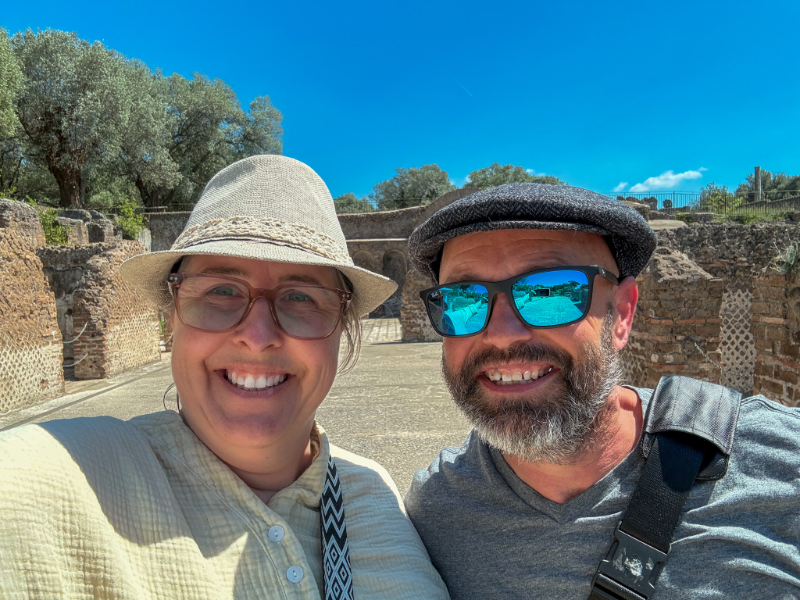
It is best to visit early in the morning to avoid crowds and heat, especially in summer. Bring water, sunscreen, and a hat, as much of the site is open. A map or audio guide can help you understand the layout and history. Since the villa is so large, giving yourself several hours will allow you to explore without rushing. We did not even see it all when we went.
Why Villa Adriana Is Worth Visiting
What makes Villa Adriana truly special is its atmosphere. Unlike many historical sites, it feels calm and open. There is space to walk, think, and take in the surroundings. The mix of ruins and nature creates a unique beauty that changes with the light and seasons.
Whether you are interested in history, architecture, or photography, this site offers something memorable. It shows a different side of ancient Rome, one that is thoughtful and creative rather than crowded and loud. Visiting Villa Adriana is not just about seeing ruins. It is about experiencing a vision of the past that still feels alive today.
Adding this destination to your Italy itinerary will give you a deeper understanding of Roman culture. It is a place where history, art, and nature come together in a way that feels both powerful and peaceful. Check out our 5 days in Rome itinerary.
-
America’s 250th Celebration Continues at Mount Vernon: Fall Festivals, Colonial Markets, Wine Weekends & Halloween Fun
America’s 250th Celebration continues at George Washington’s Mount Vernon with a full season of fall events, hands‑on history, and family activities. Visitors can explore the Colonial Market & Fair, enjoy 18th‑century demonstrations, take part in special programs at the Presidential Library, and celebrate Halloween across the historic estate. Mount Vernon brings the past to life with crafts, tours, storytelling, and immersive experiences that highlight the people and stories that shaped America.
-
A Perfect Dingle Peninsula Day: Dunquin Pier & Baby Lambs
A perfect Dingle Peninsula itinerary with Dunquin Pier, baby lambs, food stops, and an overnight stay in Dingle.
-
Summer’s Final Stretch: Celebrating Parks, Community, and Legacy
Summer may be winding down, but there’s still plenty of time to make memories and celebrate the parks you love. Warm days, long evenings, and wide‑open trails make this a great moment to get outside. Whether you’re chasing big adventures or enjoying quiet time in nature, these places have a way of keeping us grounded as the season slowly shifts.
-
South Wales Scenic Road Trip: Castles, Coastal Views, and Hidden Gems
South Wales road trip featuring castles, scenic coastal drives, stunning beaches, and great food and hotel recommendations for travelers.
-
Runway to Rivalry: Luxe Game‑Day Escape to the Red River Showdown
Attending the Red River Showdown is a full‑throttle experience—equal parts tradition, rivalry, and pure game‑day electricity. Fans from Austin and Oklahoma City flood into Dallas, turning the city into a sea of burnt orange and crimson as the anticipation builds. This year, the excitement gets an upgrade thanks to the Runway to Rivalry luxe package, pairing round‑trip private air travel with a two‑night stay at Hôtel Swexan. It’s the most stylish way to arrive for one of college football’s most iconic matchups, setting the tone for an unforgettable rivalry weekend.
-
How We Spent Two Days in Edinburgh: History and Hidden Gems
Make the most of your time with this Edinburgh travel guide featuring scenic walks, castle visits, neighborhoods, dining, and shopping.