
Travel Budget Tips for 2026: How to Dodge the Biggest Trip Headaches

Picture this: you’ve been dreaming about your European getaway for months. You land, stretch your legs, and head toward passport control, only to find a snaking line that looks like it was built for a theme park ride. Your cruise leaves in four hours. Welcome to travel in 2026. It’s more exciting than ever, with new routes, new airports, and new ways to explore. It’s also more unpredictable. The good news is that a little planning can save you hundreds of dollars and a lot of stress. Here are the biggest travel headaches right now and my best travel budget tips for sidestepping each one.
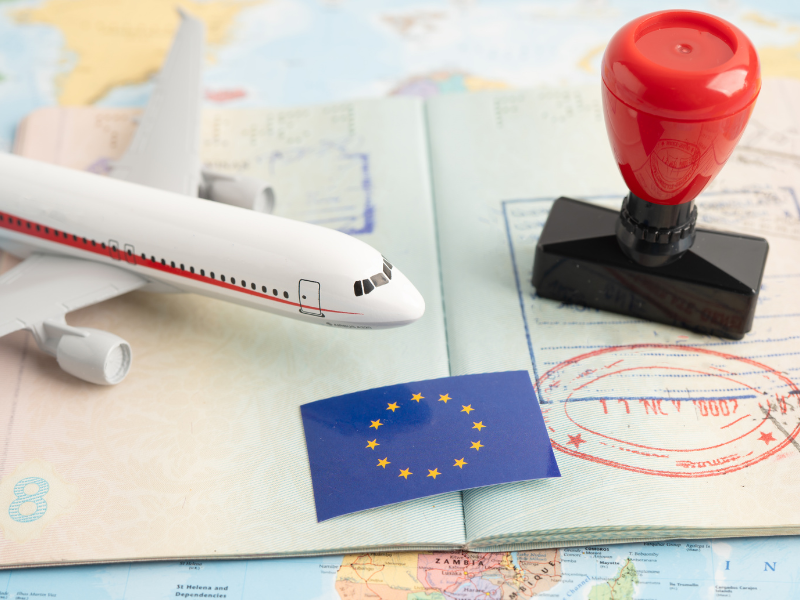
Europe’s New Digital Border: Pack Your Patience
If you’re headed to Europe, you’ll meet the EU Entry/Exit System (EES), a biometric system that digitally records when non-EU visitors enter and leave. It’s meant to modernize border control, but while everyone adjusts, airport and airline groups report lengthy queues at some crossings, especially in peak season.
That matters because a delay at immigration can ripple into missed cruise departures, train connections, and regional flights.
Tip: Don’t book an arrival that leaves only a few hours before a cruise, guided tour, or rail connection. Spending an extra night near the airport might run $100-$150, but it’s far cheaper than losing thousands to a missed connection.
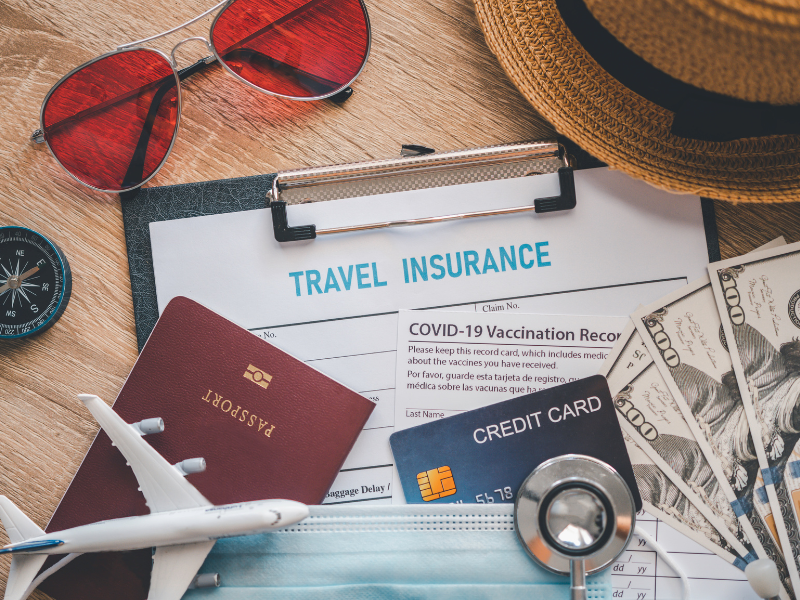
Travel Budget Tips: Entry Rules Keep Changing, So Check Yours
Europe isn’t the only place tightening up. Countries worldwide are rolling out biometric passport checks, digital entry registrations, electronic travel authorizations, and digital customs declarations. In the long run, this should speed things up. During the rollout, expect some confusion.
One missing document can sink a whole trip. The usual culprits are:
- Expiring passports
- Missing visas
- Incorrect vaccine documentation
- Insufficient passport validity (many countries require months remaining)
What savvy travelers do: Build a digital travel folder before leaving home with:
- Passport copies
- Travel insurance documents
- Reservation confirmations
- Visa documentation
- Emergency contacts
Tip: Check your passport’s expiration date at least six months before you travel. Emergency renewals and expedited processing cost far more than the standard route. (For more on how requirements are evolving, see our article on Big Changes for UK and European Travelers.)
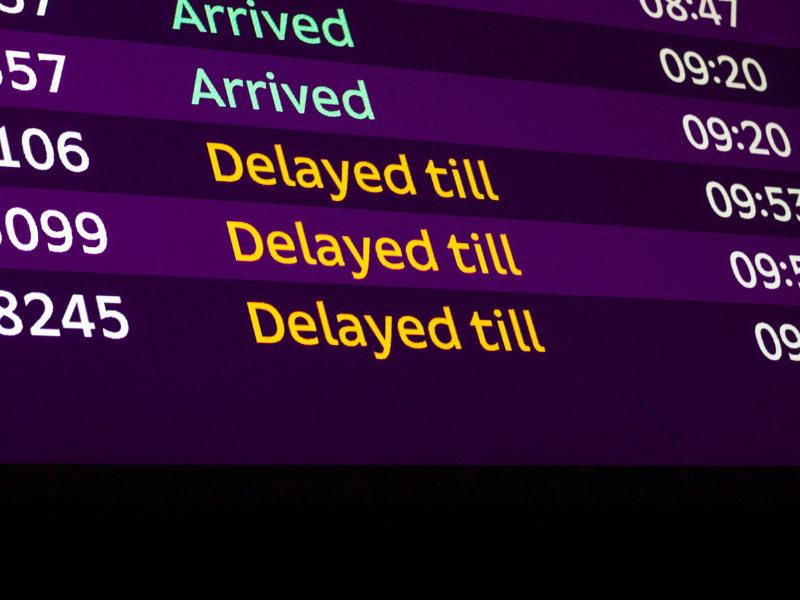
Travel Budget Tips: Flight Delays: Beat the Domino Effect
Between weather, airport congestion, and infrastructure projects, thousands of flights have been delayed at major U.S. airports. Most of us fixate on ticket price and forget the hidden costs of a delay: extra hotel nights, rental car changes, lost vacation days, and surprise meals.
Tip: Book the first flight of the day. Delays compound as the day goes on, so early departures are usually safer. And consider the nonstop, even if it costs a bit more. A $50 difference is a bargain compared to a missed connection.
Travel Budget Tips: When the Weather Crashes the Party
Just when you think you’ve planned for everything, Mother Nature steps in. Hurricane Isaias struck Destin, Florida, in October 2026 as a Category 2 storm, and flooding and storm damage cut key transport routes across six southeastern states. Ahead of landfall, nearly 250 flights were delayed across Florida airports by early afternoon the next day, and Delta, American, Southwest, and United all issued waivers for travel through Gulf Coast cities.
The storm hit travelers on the ground, too. Pensacola and Destin-Fort Walton Beach airports halted operations at the height of the storm, and flooding and hurricane-force gusts closed bridges and Interstate 10 connectors between coastal Florida and southern Alabama until safety inspections were finished on October 11. Flights resumed at both airports by October 11, but lingering cancellations and infrastructure problems continued to complicate travel across the Deep South. nomadlawyernomadlawyer
Heavy storms and flooding recently hit parts of Greece and Turkey, including popular spots near Rhodes and Istanbul, disrupting transportation and some travel plans. Weather is quickly becoming one of the biggest sources of unexpected travel expenses, from canceled excursions to rebooking fees.
Tip: If your flight is canceled, don’t automatically accept a voucher. Passengers on canceled or significantly delayed flights generally have the right to a full cash refund to their original payment method. And this is another good reason to book refundable lodging and travel insurance, especially for Gulf Coast trips during hurricane season.
Tip: Choose accommodations with free cancellation whenever you can. Paying $20-$30 more per night for a refundable room beats losing your entire booking if plans change.
Travel Budget Tips: Loyalty Programs: Use It or Lose Value
Airlines keep reshaping their rewards programs. Southwest recently announced changes to Rapid Rewards, and other carriers keep expanding premium offerings. Southwest’s Rapid Rewards changes for 2027 come with several upsides. Travelers get more ways to earn status, since tier credits now come from spending and overall engagement, not just flights. The earning charts are clearer, and elite members receive stronger perks, especially A‑List and Companion Pass travelers. The program also leans toward rewarding people who travel often or book higher fares, and it adds more flexibility in how points can be redeemed.
There are downsides too. Budget travelers may earn fewer tier credits because the new system favors higher spending. Some flyers who relied on segments might find elite status harder to reach. Any major overhaul carries a risk of point devaluation, and casual travelers may feel the new rules are more complicated than before. Anyone who’s hoarded points for years knows the pain of awards costing more, elite status getting harder to earn, and perks quietly changing.
Tip: Treat points like a currency that can lose value, not an investment that grows. A free trip today usually beats a “better” redemption years from now that may never materialize.
Travel Budget Tips: New Routes, New Deals
Here’s some good news. Air France, Icelandair, Lufthansa, and Etihad Airways are expanding routes and adding service options. New routes often mean fare competition, which can bring lower introductory fares, better schedules, and more nonstop options.
Tip: Search nearby airports before you book. Flying from a secondary airport can save hundreds per ticket with a similar travel time.

Travel Budget Tips: Transit Strikes: The Plot Twist After You Land
Many of us assume the hard part is over once the plane touches down. But workers with Metro de Lisboa have announced strike activity that could affect transport to and from Lisbon Airport, and similar labor disputes pop up across Europe from time to time. They can delay transfers, spike taxi prices, and even cause missed flights.
Tip: Research your airport transportation before you leave home. Know the costs and options for rideshares, airport buses, taxis, and trains so you’re not overspending in a panic when plans change.
Travel Budget Tips: Premium Travel Is Amazing, and Pricey
Airlines are pouring money into luxury, with better business-class cabins, premium dining, and upgraded airport services. It can transform a long-haul flight, but the prices are often out of reach.
Tip: Try premium economy. Many travelers find it offers more legroom, better meals, and priority boarding at a fraction of the business-class price.
Travel Budget Tips: New Airports: Shiny, but Check the Fine Print
New airports and infrastructure projects can widen your options, but they can also bring confusion during the transition. Take Western Sydney International Airport. It’s opening up new possibilities, but visitors will need to figure out how to get between it, downtown Sydney, and regional transport networks.
Watch for:
- When airlines switch to a different airport, you may find your usual carrier now flying from a location farther from the city center. This can raise your travel costs because newer airports are often built outside town, which means paying more for taxis, rideshares, trains, or shuttles.
- It can also take time to learn the new terminals, routes, and layouts, especially if the airport is still expanding.
- Construction can cause traffic backups, parking issues, and temporary service disruptions.
- In some cities, airlines may use more than one airport, which can lead to longer connections or even transfers between airports.
- Early on, new airports often have fewer restaurants, lounges, hotels, and transportation options while everything ramps up.
A flight that’s $100 cheaper isn’t a bargain if it comes with a two-hour transfer or pricey ground transportation.
Tip: Compare all the airports in a destination region and calculate the total trip cost. A newer, less congested airport can sometimes cut both airfare and travel time.
The Big One: Rising Travel Costs
Let’s talk money. Rising jet fuel prices are pushing up airline operating costs, and travelers are already feeling it, especially for holiday travel. Industry observers expect fares to stay elevated through the end of the year, so Thanksgiving and Christmas trips will likely cost more. Fares are unlikely to drop much before peak season, so book earlier than you normally would. A family vacation can easily top several thousand dollars once you add airfare, hotels, food, activities, and transportation.
The 2026 Travel Savings Formula
Book Early + Travel Midweek + Use Points + Pack Light = Maximum Savings
A few more ways to stretch your dollars:
- Travel during shoulder seasons
- Avoid holiday weekends
- Use credit card travel rewards
- Compare package deals
- Skip checked bag fees whenever possible
A family of four can often save $500-$1,500 on a single trip with these strategies.
The Bottom Line: Flexibility Saves Money
If there’s one lesson from this year’s travel news, it’s that flexibility pays. Travelers who stay flexible on dates, airports, destinations, flight times, and accommodations consistently find better deals and run into fewer problems.
Yes, border delays, storms, and airline changes can be a hassle. But expanding routes and new infrastructure also mean more ways to see the world than ever. The key is to plan ahead and always have a backup option.
The most successful travelers this year won’t be the ones spending the most. They’ll be the ones making smart decisions before they ever leave home.
Where are you headed next? Share your travel plans (and your best money-saving tricks) in the comments below, and don’t forget to subscribe to RoamingMyPlanet for more tips straight to your inbox!
-
Carry-on Luggage Rules in 2026
Mastering carry-on travel in 2026 comes down to smart packing and careful planning. From measuring your bag correctly to avoiding overstuffing and watching weight limits, small details can make a big difference. Prioritize your personal item, know your airline’s rules, and board early to secure overhead space. With the right strategy, you can skip the stress and travel with confidence.
-
Delta Airlines Travel Hacks: The Best Insider Tips for 2025
Delta Airlines travel hacks. Earn extra SkyMiles, avoid baggage issues, and get more from the Delta app with simple insider tips.
-
From Parking to Peanuts: Trimming the Hidden Flight Costs
Flying isn’t as simple—or as cheap—as your ticket price suggests. From baggage fees to airport meals and pricey parking, the real cost of flying often hides in plain sight. This guide breaks down where your travel dollars really go and shares smart, practical ways to save—from picking the right airport to avoiding common booking mistakes. Fly smarter, spend less, and make every trip feel like a win before you even board.