Carry-on Luggage Rules in 2026
Navigating Carry-on Luggage Rules in 2026 is a mix of strategy, awareness, and a little bit of finesse. While airline size limits and TSA security rules haven’t dramatically changed, enforcement has become much stricter. What used to feel like flexible guidelines now feels like a carefully monitored system. The good news? Once you understand how it all works together, traveling light becomes much easier—and far less stressful.
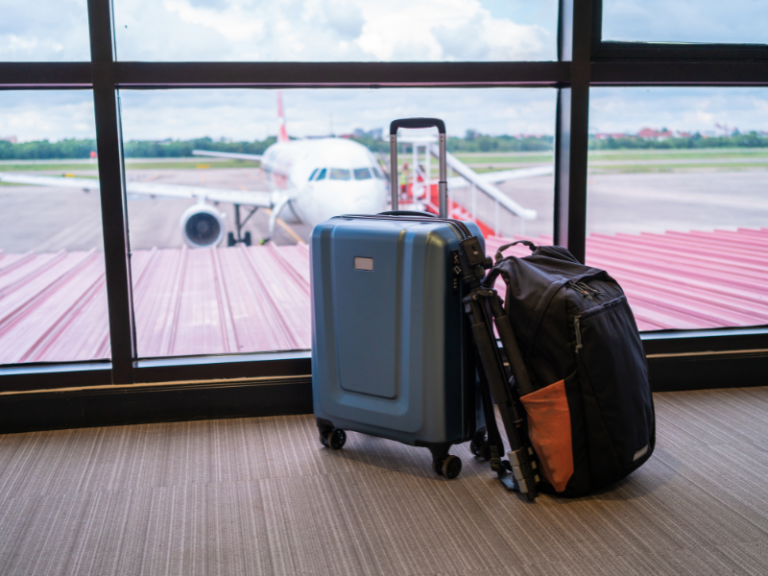
Let’s start with the basics. Airlines control the size of your carry-on, while the Transportation Security Administration (TSA) controls what you can pack inside it. Most U.S. airlines still stick to the standard 22 x 14 x 9 inches. That measurement includes wheels, handles, and any bulging pockets. If your bag looks oversized or overstuffed, it’s more likely to be checked at the gate.
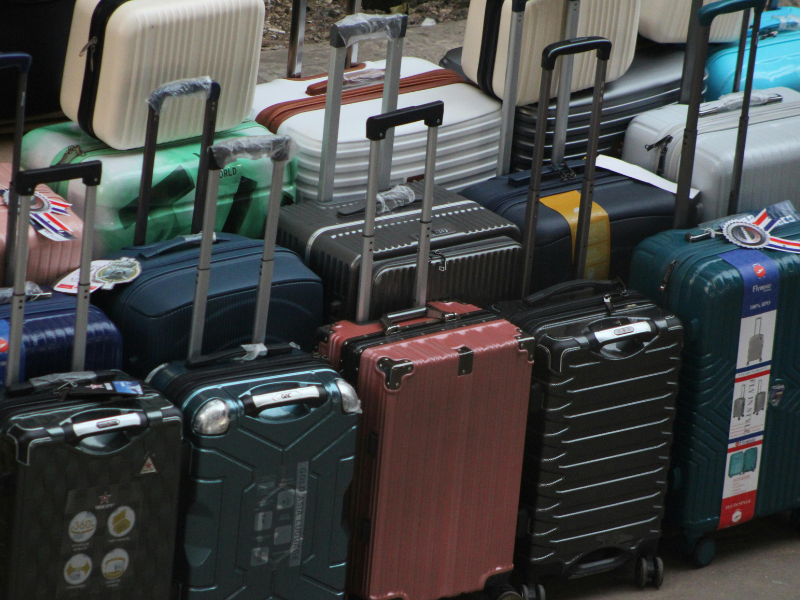
Stricter Enforcement of Carry-on Luggage Rules in 2026
The biggest shift travelers are noticing is stricter enforcement. Airlines are paying closer attention during boarding, especially on full flights. Gate agents are less likely to let things slide, and even slightly oversized bags can be flagged. Some airlines have even moved away from traditional bag sizers, relying instead on visual checks. This makes the process feel inconsistent, but the safest approach is to assume the rules will be enforced every time.

Budget Airline Takeaways for Carry-on Luggage Rules in 2026
Budget airlines raise the stakes even higher. Many only include a personal item in the base fare. That means your small backpack or tote is free, but a larger carry-on will cost extra. Waiting until the gate to sort it out can lead to steep fees. Planning ahead—and knowing your airline’s exact policy—can save both money and frustration.
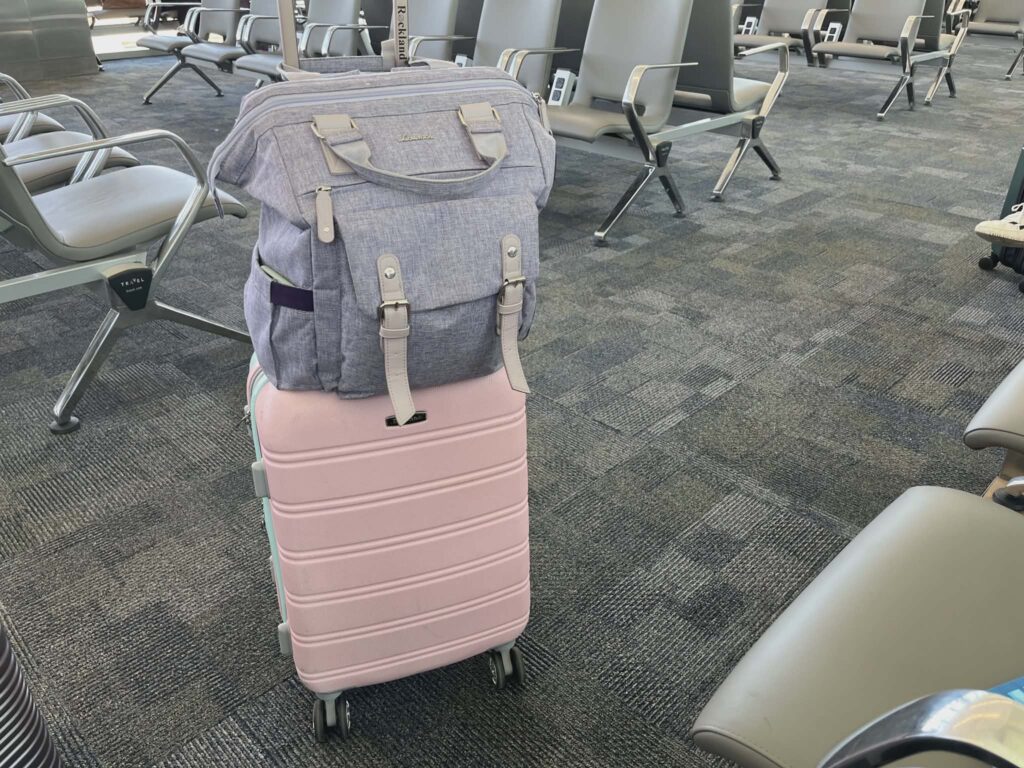
The personal item has become a travel hero. Personal Item: A small bag, such as a purse like this one from Rachel Bloom, laptop bag, or backpack, that fits under the seat in front of you. 17in x 10in x 9in is the common size for this.
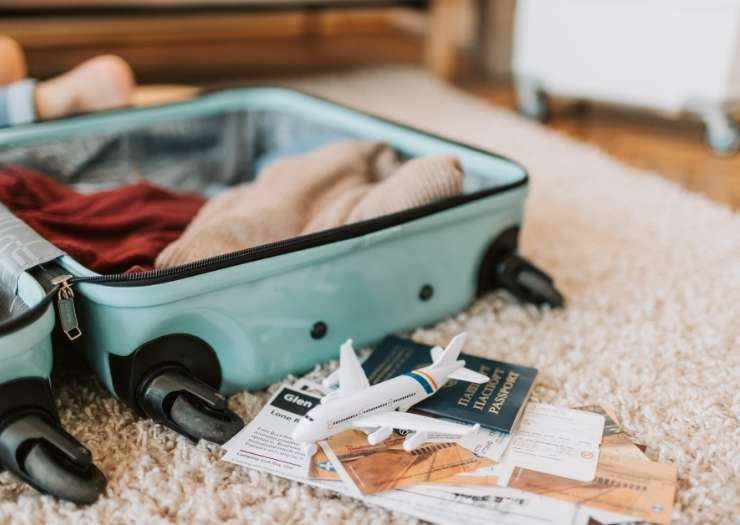
TSA Rules
Now, let’s talk about what goes inside your bag. TSA rules are where many travelers run into trouble, especially with liquids. The well-known 3-1-1 rule still applies. Liquids must be in containers of 3.4 ounces or less and fit into one clear, quart-sized bag. If it doesn’t fit, it doesn’t go. Keeping this bag easily accessible will save you time at security.
Know a few key exceptions before you pack. You can bring medications, baby formula, and breast milk in quantities above the liquid limit if you declare them at screening. Keep these items separate and ready to present. Preparing ahead helps you avoid delays.
Pack carefully beyond liquids as well. Leave sharp objects, large tools, and flammable items at home or in checked baggage. Keep lithium batteries and portable chargers in your carry-on, since safety rules require it. Follow this rule, even if it feels counterintuitive.
Handle your electronics with intention. Remove devices larger than a phone, such as laptops, during screening when required. Store them where you can grab them quickly. Staying organized speeds up the line and keeps the process smooth.
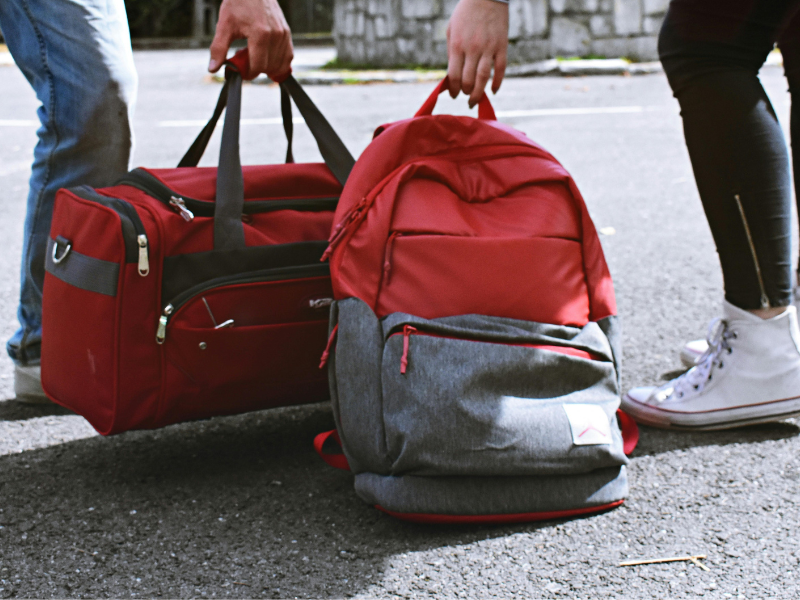
International Carry-on Luggage Rules in 2026
When you fly internationally, you face an extra layer of rules. Many airlines enforce carry-on weight limits, unlike most domestic carriers. Some airlines also set smaller size allowances. If you connect between airlines, you may run into complications, especially when their policies don’t match.
Despite headlines about “new carry-on rules,” no single global standard exists. Airlines are tightening enforcement of existing guidelines instead. This shift makes the changes feel bigger than they are. In reality, travelers simply have less wiggle room than before.
Tips and Tricks for Your Carry-on
Measure Everything: Include wheels and handles in your measurements, as agents are measuring total dimensions rather than just the shell. If you fly internationally, you might look at smaller carry-on luggage that is not the standard 22 x 14 x 9 inches. Many international airlines list smaller dimensions, and some don’t allow that extra personal item, such as a purse, laptop bag, or backpack. We love the JenniBag for this reason.
Avoid Overstuffing: A hardshell bag that is overstuffed can become “oversized” and fail the gate sizer.
Watch the Expansion Zippers: Expansion zippers on roller bags often push them over the size limit.
Check Weight Restrictions: International carriers, unlike many US carriers, often enforce strict weight limits, so weigh your bag before you leave.
Personal Item Strategy: Treat your underseat bag as your most important item, storing essentials like chargers, medicine, and documents there. If your main bag is gate-checked, you are still prepared.
Check Airline Specifics: Some budget airlines now charge for carry-on bags or have very strict requirements that differ from major, full-service airlines.
Board Early: Even if your bag meets size regulations, overhead space is not guaranteed; be ready to board with your group.
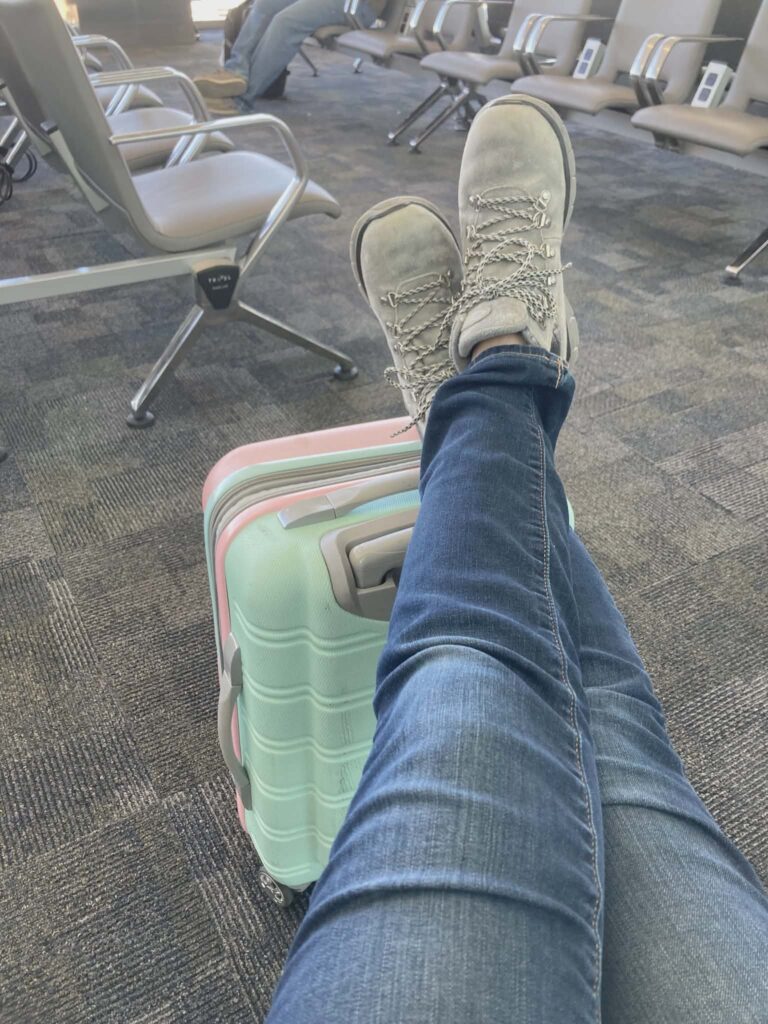
Takeaways for Carry-on Luggage Rules in 2026
So what’s the takeaway? Measure your bag, pack intentionally, and don’t push the limits. If your bag fits and your items follow TSA rules, you’ll move through the airport with ease. A little planning goes a long way—and can mean the difference between a smooth start and a stressful scramble.
At the end of the day, mastering carry-on travel is about working smarter, not packing more. With the right approach, you can skip the fees, avoid delays, and focus on what really matters—enjoying the journey ahead.
-
13 Best Halloween Campgrounds for a Spooky Family Trip
These Halloween events at KOA campgrounds create a safe, festive space for kids to celebrate while families savor campfire meals, share cozy fall treats, and enjoy quality time outdoors together.
-
A Girls’ Getaway & Retreat in Sulphur, Oklahoma
Join us for a girls getaway & retreat in Sulphur, Oklahoma, as the Consumer Queen team enjoys good food, shopping, spa treatments, and time together. From The Artesian Hotel and Spa to local restaurants and shops, we found plenty to enjoy while mixing business with a relaxing weekend away.
-
America’s 250th Celebration Continues at Mount Vernon: Fall Festivals, Colonial Markets, Wine Weekends & Halloween Fun
America’s 250th Celebration continues at George Washington’s Mount Vernon with a full season of fall events, hands‑on history, and family activities. Visitors can explore the Colonial Market & Fair, enjoy 18th‑century demonstrations, take part in special programs at the Presidential Library, and celebrate Halloween across the historic estate. Mount Vernon brings the past to life with crafts, tours, storytelling, and immersive experiences that highlight the people and stories that shaped America.
-
A Perfect Dingle Peninsula Day: Dunquin Pier & Baby Lambs
A perfect Dingle Peninsula itinerary with Dunquin Pier, baby lambs, food stops, and an overnight stay in Dingle.
-
The U.S. Airlines Most Likely to Lose Your Luggage in 2026
New DOT data shows more than one million checked bags were mishandled in the first half of 2026. Some airlines lose or delay luggage far more often than others. Here’s what travelers need to know about the carriers with the highest mishandling rates—and the simple steps you can take to protect your suitcase.
-
Free Travel Passports & Stickers from US Tourism Departments
Discover fun travel passports and stickers from state tourism departments. Collect stamps, explore new places, and make every road trip more memorable..