Outsmart Travel Delays and Cancellations: Insider Tips for Today’s Traveler
With air travel delays, runway construction, and aging aviation systems making headlines—especially at busy hubs like Newark Liberty International (EWR)—it’s no wonder travelers are nervous. Communication outages with air traffic control and FAA staffing shortages are contributing to a domino effect of cancellations across the country.
While we can’t control the skies, we can be smart travelers. Whether you’re heading out on business or vacation, these practical tips will help you minimize disruptions and stay one step ahead when plans go sideways.
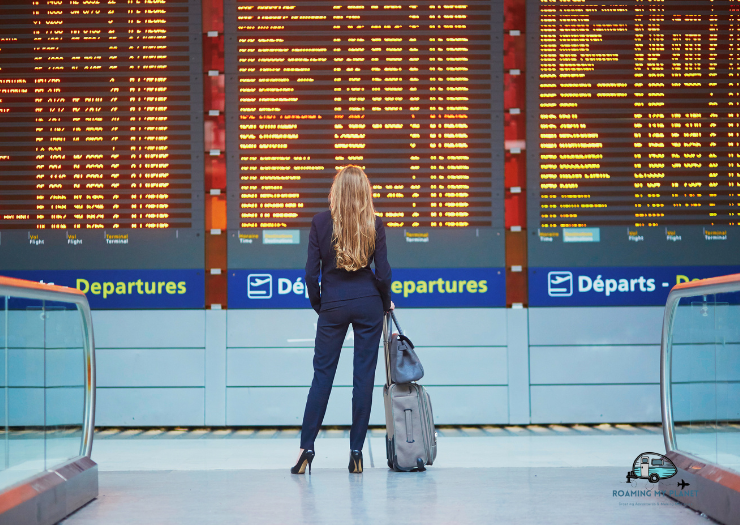
1. Book Nonstop and Early Flights to Avoid Travel Delays
The earlier your flight, the better your chances of avoiding travel delays. Afternoons are notorious for rolling cancellations due to weather or runway congestion. Booking nonstop flights also reduces your risk of getting stranded mid-journey due to missed connections.
2. Use the Airline App and Track Your Flight to Avoid Travel Delays
Download your airline’s app and turn on notifications. You’ll often get updates before gate agents do. Use apps like FlightAware or FlightRadar24 to track your flight status, gate changes, and delays in real time. Staying informed gives you an edge when rebooking or making quick decisions.
3. Take Advantage of Travel Waivers to Avoid Travel Delays
If a major delay is looming, airlines may offer travel waivers that allow you to change flights with no extra fees. These waivers can help you:
- Switch to a nearby airport (like JFK or LGA instead of EWR)
- Extend layovers for added buffer time
- Proactively avoid routes likely to experience disruptions
Even if you haven’t been notified, it’s worth calling customer service to ask. Agents may have more flexibility than what’s listed online.



4. Pack a Delay Survival Kit in Your Carry-On
Always keep essentials in your personal items or carry-on. This includes:
- Snacks and a refillable water bottle
- Phone charger or battery pack
- Toiletries
- A change of clothes (especially helpful if you get rerouted or stuck overnight)
- Important medications (these are essential to keep with you)
Having your basics covered can make unexpected delays much more manageable.
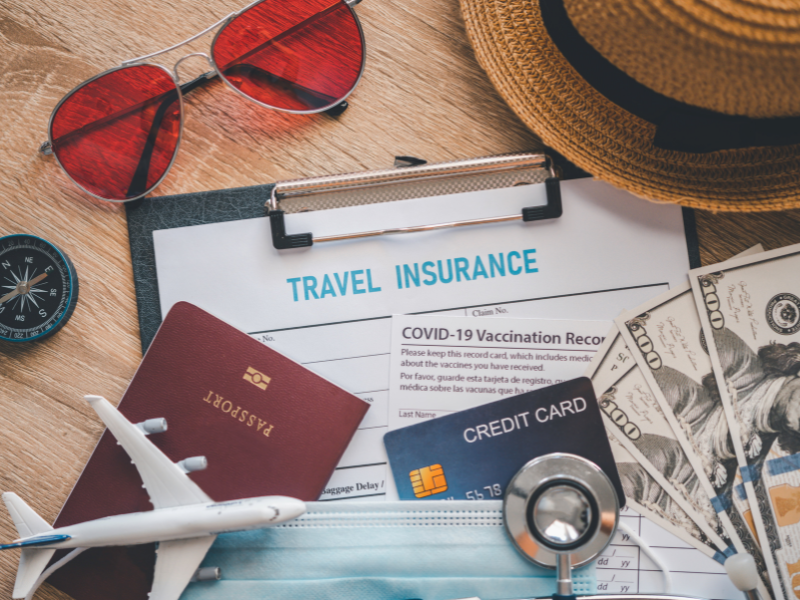
5. Book with a Credit Card That Offers Travel Insurance
Weather and air traffic control delays typically aren’t covered by airlines, but many travel credit cards offer built-in protection for:
- Trip delays or cancellations
- Lost luggage
- Hotel stays or meals during extended layovers
Make sure to check the benefits of your card and save all receipts if you need to file a claim.
6. Purchase Travel Insurance (Especially for Complex Trips)
If you’re booking a trip with multiple legs or significant prepaid expenses, consider a comprehensive travel insurance policy. Look into:
- Cancel-for-any-reason policies for ultimate flexibility
- Annual plans if you travel frequently
- Providers with easy mobile claims processing
This is especially useful for international travel or cruises with tight embarkation windows.

7. Be Your Own Best Advocate at the Airport
When cancellations hit, long lines form quickly. If your flight is canceled:
- Immediately get in line at the gate AND call the airline’s customer service number. Pro-Tip-Have the information saved to your contacts so you don’t have to waste time finding the information.
- Use Twitter or social media to reach airline reps (they often respond faster)
- Know your airline’s policy on rebooking and vouchers so you can negotiate effectively.
Staying calm and courteous goes a long way—agents are more likely to help when you’re kind and prepared.
8. Consider Alternative Airports
If you’re flying into or out of a high-risk airport like Newark Liberty International Airport (EWR), it’s wise to consider alternative airports that may offer better on-time performance and fewer delays. Newark is known for congestion, frequent delays, and ongoing construction, which can disrupt schedules, especially during peak travel times or inclement weather.
Before booking, check whether nearby airports such as John F. Kennedy International (JFK), LaGuardia (LGA), or even Philadelphia International (PHL) provide more reliable service for your route. These airports often serve the same destinations and may experience fewer disruptions due to more modern infrastructure, different air traffic patterns, or simply more efficient operations. Comparing your options could save you time, reduce travel stress, and increase the chances of arriving on schedule.

9. Let Your Voice Be Heard
Issues like outdated FAA tech and understaffed ATC towers aren’t new, but recent outages at Newark should be a wake-up call. If you’re frustrated with the system, reach out to your representatives. Travel is essential infrastructure, and it deserves attention and funding.
Final Thoughts
Flight disruptions are never fun, but with a little foresight and the right tools, you can still travel with confidence. Air travel remains the safest form of transportation, and being informed, prepared, and flexible gives you the best shot at a smooth journey, even when turbulence hits the schedule.
-
When to Book Holiday Flights in 2026
Discover the best time to book holiday flights in 2026 and save on Thanksgiving and Christmas travel. Get expert airfare tips, learn which dates to avoid, and prepare for winter weather delays.
-
Travel Budget Tips for 2026: How to Dodge the Biggest Trip Headaches
Travel costs climbed in 2026, but smart planning can still keep your trips affordable. Strikes, bad weather, loyalty programs and other concerns can affect your travel. Focus on flexible travel dates, compare prices across nearby airports, and book early when possible.
-
Fall Foliage Trips You Can Still Catch This Autumn
Think you missed the leaves? These ten fall foliage trips are still at or near peak from mid-October into early November, with scenic stops, nearby sights, top-rated meals, and overnight stays.
-
13 Best Halloween Campgrounds for a Spooky Family Trip
These Halloween events at KOA campgrounds create a safe, festive space for kids to celebrate while families savor campfire meals, share cozy fall treats, and enjoy quality time outdoors together.
-
The U.S. Airlines Most Likely to Lose Your Luggage in 2026
New DOT data shows more than one million checked bags were mishandled in the first half of 2026. Some airlines lose or delay luggage far more often than others. Here’s what travelers need to know about the carriers with the highest mishandling rates—and the simple steps you can take to protect your suitcase.
-
Free Travel Passports & Stickers from US Tourism Departments
Discover fun travel passports and stickers from state tourism departments. Collect stamps, explore new places, and make every road trip more memorable..