The American Road Trip Revival: 2026
Summer travel in 2026 looks very different from the vacations many Americans planned just a few years ago. Travelers still crave adventure, but convenience now shapes many decisions. Long airport lines, expensive flights, and packed tourist hotspots are pushing people toward a simpler alternative: the classic American road trip.
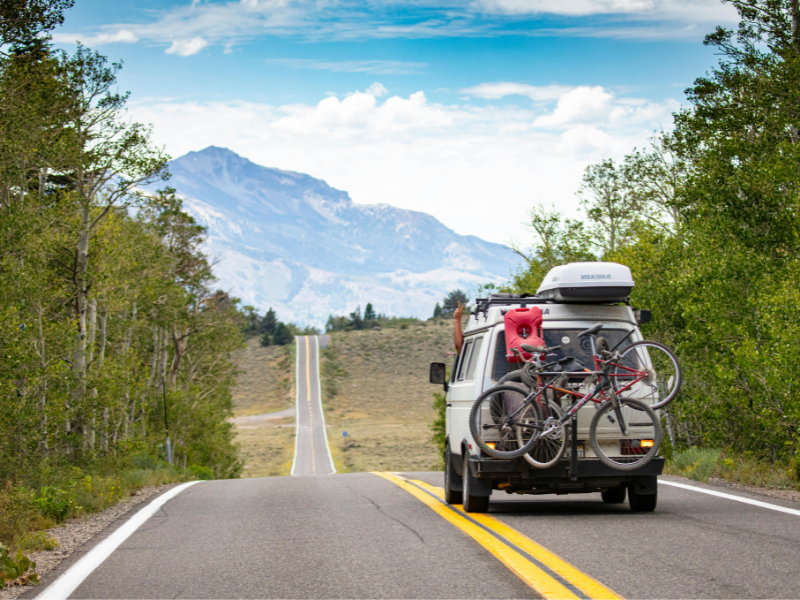
According to Campspot’s Dust-Off Summer Trend Report, outdoor travelers are embracing regional escapes and drivable destinations in record numbers. The report found that 86% of Americans want to explore more of the United States through road trips and nearby outdoor getaways in 2026.
That shift says a lot about how people now view travel. Flexibility matters more than ever. Travelers want memorable experiences without the stress of complicated logistics. Camping, RV trips, and nearby nature escapes offer exactly that.
The History of the American Road Trip
The American road trip is more than a vacation tradition. It reflects freedom, independence, and the country’s deep connection to the open road. For more than a century, road trips have shaped how Americans travel, explore, and experience the country. Today’s road trip culture includes RV adventures, scenic drives, and weekend camping escapes. Yet the tradition began long before interstate highways and GPS navigation existed.
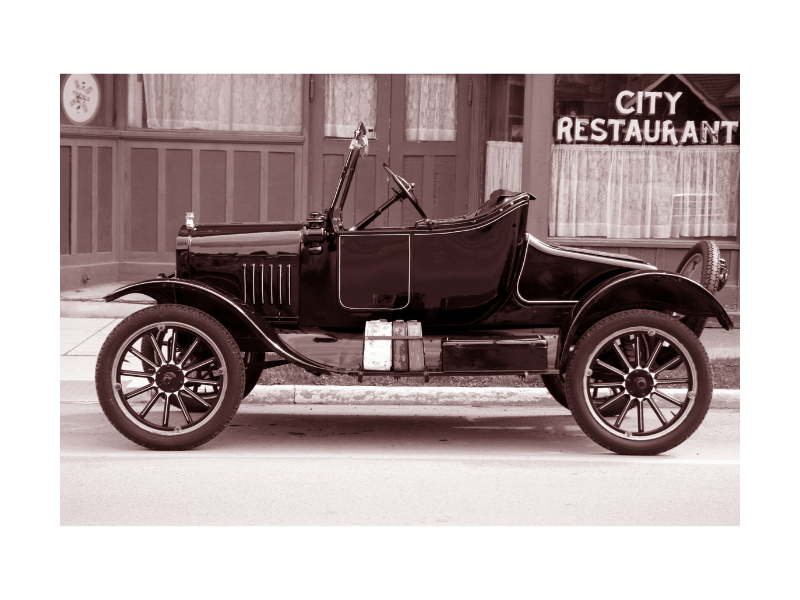
At the beginning of the 20th century, automobiles were rare and expensive. Roads were rough, unpaved, and difficult to navigate across much of the country. Everything changed when Henry Ford introduced the Model T through Ford Motor Company in 1908. Affordable cars gave middle-class Americans the freedom to travel farther than ever before.
Early road trips required preparation and patience. Travelers often carried tools, spare tires, and extra gasoline because breakdowns were common. Reliable maps and roadside services barely existed at the time. Despite the challenges, Americans quickly embraced the excitement of automobile travel.
The Rise of America’s Highway System
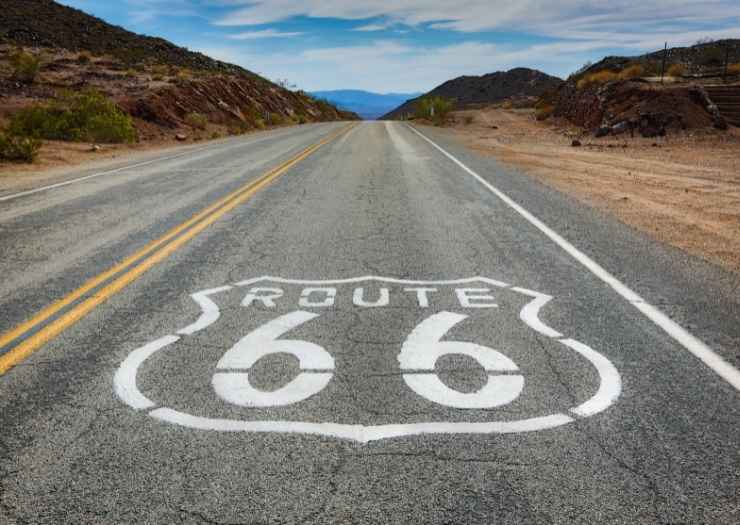
Road infrastructure improved dramatically during the 1910s and 1920s. The Good Roads Movement pushed for better highways to support the growing number of cars. One of the most famous routes became Route 66, established in 1926. The highway connected Chicago to California and became a symbol of freedom and opportunity.
Roadside tourism grew rapidly along major highways. Diners, gas stations, motor lodges, and roadside attractions appeared across the country. Families increasingly used road trips as affordable summer vacations. By the 1930s, exploring America by car had become part of the national culture.
National Parks Helped Shape American Road Trip Culture
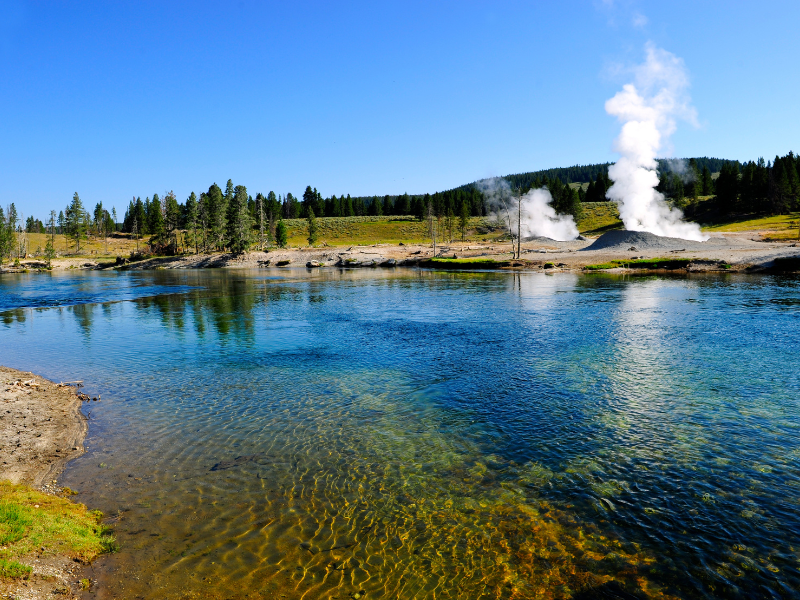
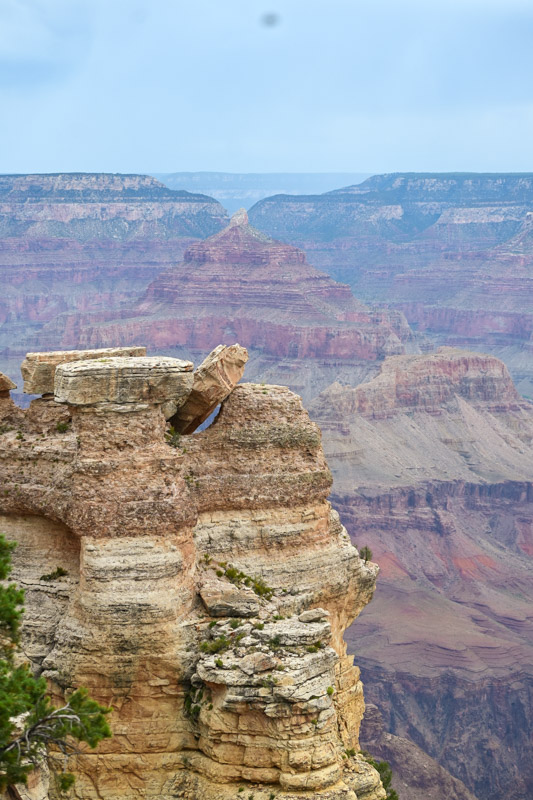
America’s national parks played a major role in the popularity of road trips. Improved roads made destinations like Yellowstone National Park and Grand Canyon National Park easier for families to visit. Travelers packed cars with camping gear and picnic supplies before heading into nature. National parks became iconic road trip destinations for generations of Americans.
Camping culture expanded alongside automobile travel. Families enjoyed scenic drives, outdoor recreation, and affordable vacations in natural settings. Road trips allowed travelers to experience mountains, deserts, forests, and coastlines at their own pace. The connection between road travel and outdoor adventure became deeply rooted in American culture.
The Interstate Highway Era
The American road trip changed significantly in 1956. President Dwight D. Eisenhower signed the Federal-Aid Highway Act, creating the Interstate Highway System. New highways connected cities and regions with faster and safer travel routes. Families could now drive across the country more easily than ever before.
The interstate era fueled a major travel boom. Drive-in restaurants, roadside motels, and family attractions flourished during the 1950s and 1960s. Suburban families embraced long-distance vacations by car. The open highway became a defining symbol of postwar American life.
RV Travel and Camping Expand the American Road Trip
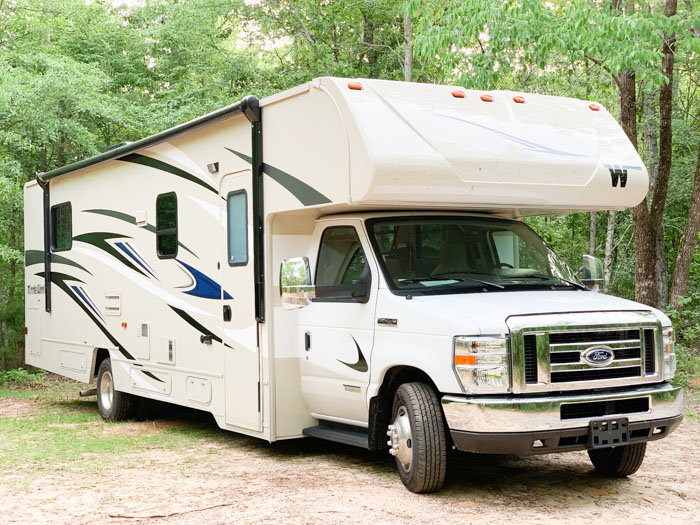
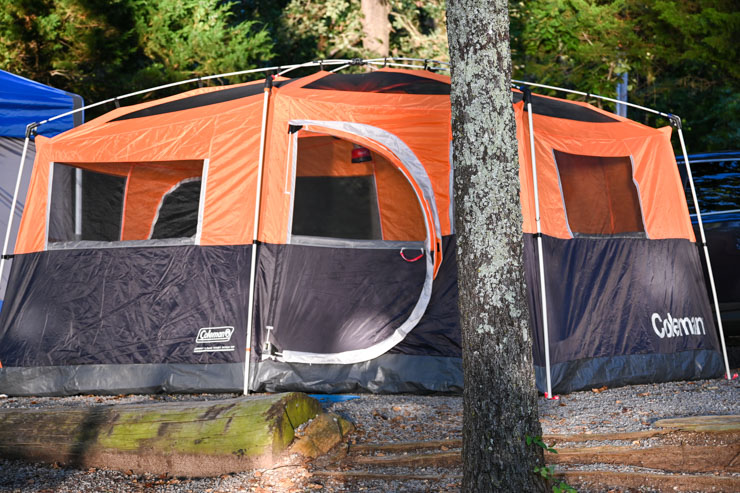
RV travel grew rapidly during the 1960s and 1970s. Families embraced trailers, campers, and motorhomes as affordable ways to explore the country. Campgrounds and national parks became popular destinations for travelers seeking outdoor adventure. Camping offered flexibility and a closer connection to nature.
Popular culture also romanticized life on the road. Movies, books, and music celebrated freedom, self-discovery, and adventure through travel. Americans increasingly viewed road trips as experiences rather than simple transportation. The road itself became part of the journey.
The Modern Rise of Regional Road Trips
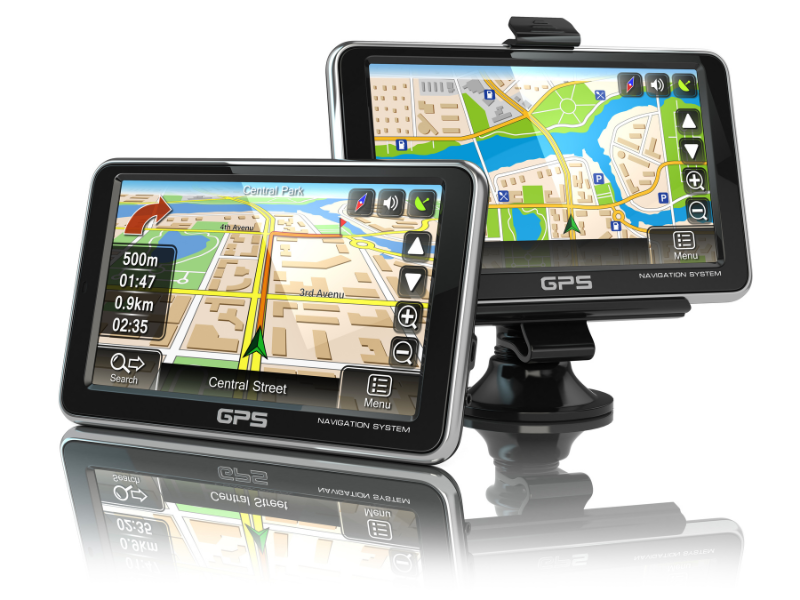
Modern technology has made road trips easier than ever. GPS apps, online campsite bookings, boondocking apps, and social media help travelers discover scenic drives, small towns, and hidden outdoor destinations. At the same time, rising airfare costs and crowded airports have encouraged more Americans to stay closer to home.
That shift has fueled the rise of regional road trips and nearby outdoor escapes. According to Campspot’s Dust-Off Summer Trend Report, 69% of camping trips happen within a six-hour drive, while 32% stay within four hours of home. Travelers increasingly prefer flexible, low-stress vacations that avoid long travel days and complicated itineraries. Instead of flying across the country, many now choose nearby lakes, forests, mountain towns, and campgrounds for quick and affordable getaways or to be able to have your pet with you.
Why Road Trips Still Matter
Road trips remain popular because they offer freedom, flexibility, and affordable adventure. Travelers can avoid crowded airports, create their own schedules, and discover scenic destinations closer to home. According to Campspot’s Dust-Off Summer Trend Report, 58% of travelers are more likely to choose drive-to getaways, while 80% say camping or RV travel feels like the smartest vacation option today.
Convenience has become a major priority for modern travelers. Many now prefer nearby outdoor escapes that are easier to plan and less expensive than traditional vacations. Flexible travel is also shaping decisions, with 74% willing to choose a similar nearby destination if their first choice is booked. Travelers are even avoiding crowded holiday weekends in favor of quieter trips with more availability.
Modern camping and RV travel continue evolving as well. Upgraded campgrounds, glamping options, and easy online booking tools have made outdoor travel more accessible to families, younger travelers, and remote workers. Beyond affordability, travelers are drawn to meaningful outdoor experiences like campfires, hiking trails, and unplugged weekends in nature.
Small-Town America Is Benefiting
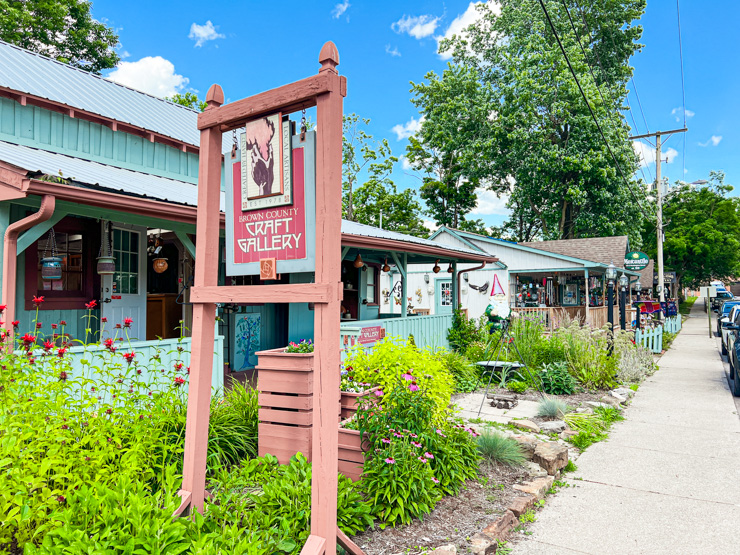
The rise of regional road trips is bringing new attention to small towns and nearby outdoor destinations. Travelers are discovering scenic byways, mountain towns, lakeside communities, and regional parks closer to home. Local businesses, including campgrounds, diners, breweries, and outdoor shops, are benefiting from an increase in tourism.
Many travelers now prefer quieter, more authentic experiences over crowded tourist hotspots. They want flexible vacations filled with scenic drives, outdoor adventure, and slower-paced travel. That shift continues fueling the popularity of nearby road trips and camping getaways.
The Future of Summer Travel Looks Closer to Home
Summer travel in 2026 reflects a growing preference for convenience, affordability, and flexibility. Many Americans are choosing nearby outdoor escapes instead of expensive flights or complicated itineraries. A simple road trip can now provide the adventure, relaxation, and connection travelers are looking for.
According to Campspot’s Dust-Off Summer Trend Report, demand for drive-to destinations, camping, and RV travel continues growing. Travelers increasingly value easy-to-plan vacations that keep them connected to nature. As a result, the American road trip is entering a new era of popularity.
Hit the Road and Share Your Story
From scenic highways to quiet campgrounds, road trips continue creating some of America’s most memorable travel experiences. Whether it’s a weekend drive to a nearby lake or a cross-country adventure, the journey often becomes just as meaningful as the destination.
What has been your favorite road trip so far? Do you prefer mountain drives, coastal highways, or small-town escapes? Share your favorite routes, roadside stops, and camping memories in the comments below.
-
Free Travel Passports & Stickers from US Tourism Departments
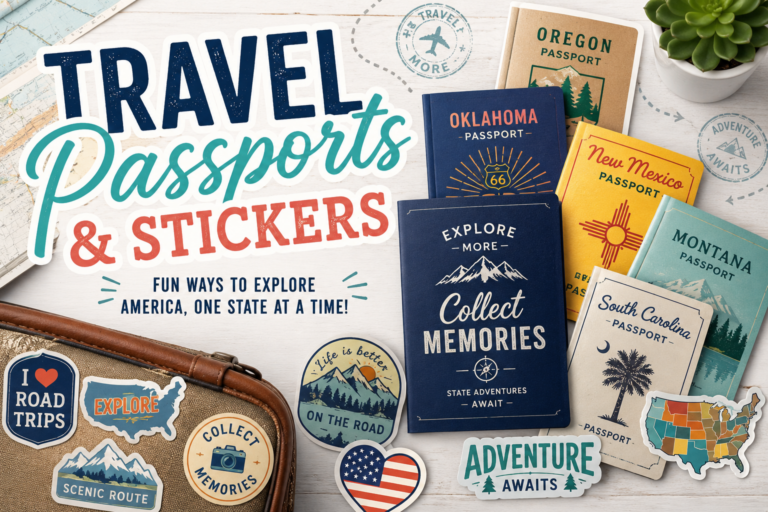
Discover fun travel passports and stickers from state tourism departments. Collect stamps, explore new places, and make every road trip more memorable..
-
South Wales Scenic Road Trip: Castles, Coastal Views, and Hidden Gems
South Wales road trip featuring castles, scenic coastal drives, stunning beaches, and great food and hotel recommendations for travelers.
-
Cotswolds Road Trip: A Storybook Escape
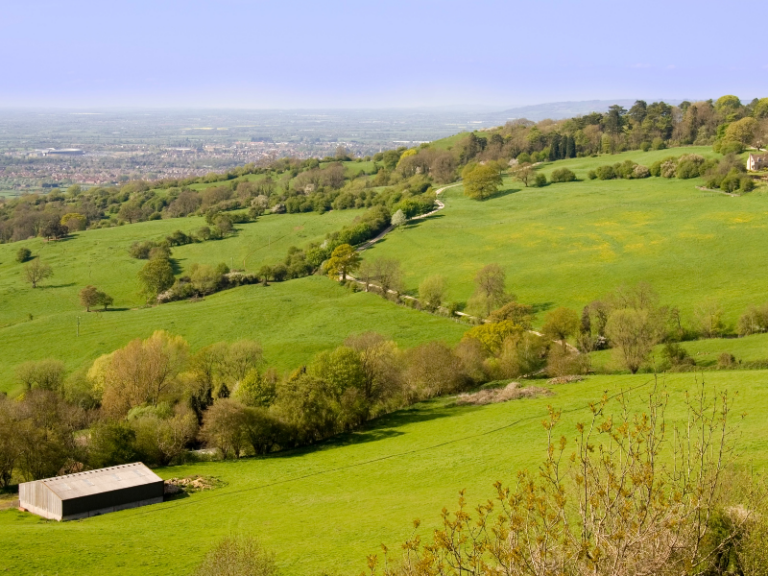
A road trip through the Cotswolds is a relaxing way to explore rolling hills, quiet countryside, and charming villages built from golden stone. Travelers can drive through beautiful towns like Bourton-on-the-Water and Stow-on-the-Wold, stopping at local cafés, historic inns, and scenic viewpoints along the way. The peaceful roads and traditional English landscapes make the Cotswolds a perfect destination for a calm and memorable getaway.
-
Exploring Bourton-on-the-Water, the Venice of the Cotswolds
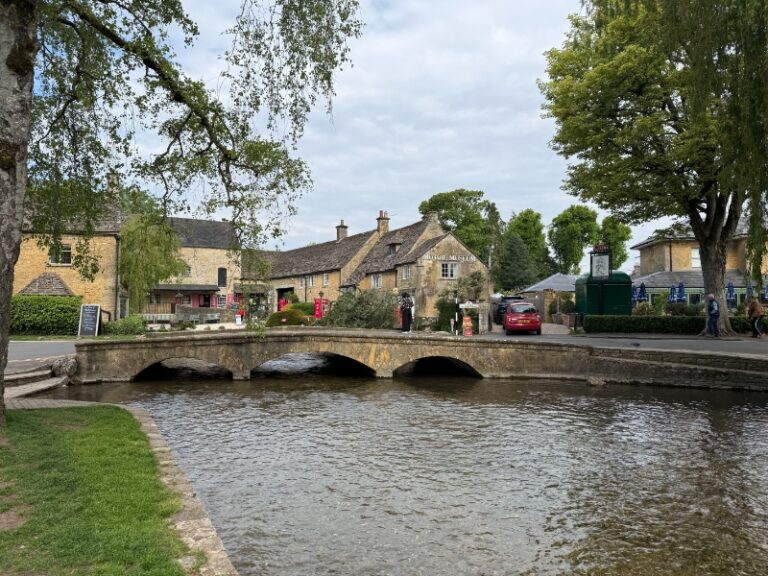
Discover the charm of Bourton-on-the-Water, one of the most beautiful villages in the Cotswolds. From peaceful riverside walks and stone bridges to cozy cafés, local shops, and scenic countryside views, this storybook destination offers the perfect English village escape.
-
Best Thrift and Antique Stores on Route 66: Oklahoma to Missouri
Discover the best thrift stores on Route 66 from Oklahoma to Missouri, packed with vintage finds, antiques, and hidden gems.
-
Wander-Ready: Top Travel Gifts for Jetsetters, Road Trippers, and Adventurers
Whether crossing continents or exploring closer to home, every traveler deserves gear that makes the journey better. Wander-Ready: Top Travel Gifts for Jetsetters, Road Trippers, and Adventurers highlights thoughtful, practical, and inspiring gifts—from tech essentials and stylish accessories to outdoor must-haves—designed to fuel adventure, comfort, and unforgettable memories.